A wobbly handle on your favorite stovetop cooker, whether it’s a trusty skillet or an indispensable pressure cooker, can quickly turn a routine cooking task into a perilous balancing act. Beyond the inconvenience, a loose handle poses a significant safety risk, potentially leading to spills, burns, or worse. As an experienced technician with over a decade in the pressure cooker field, I understand the frustration and danger a failing handle presents. This guide will walk you through identifying the type of handle, the right tools, and the step-by-step process to secure it, ensuring your cookware is safe and effective once more.
Understanding Stovetop Cooker Handles
Before diving into repairs, it’s crucial to understand how handles are typically attached to your cookware. Different attachment methods require different approaches to tightening.
Common Handle Attachment Methods
Cookware handles primarily use a few key attachment designs, each with its own characteristics:
- Screwed-on Handles: This is the most common and often easiest to fix. Handles are fastened to the pot or pan body with one or more screws, usually visible on the underside of the handle or sometimes concealed under a cap or within the handle itself. These are frequently found on general stovetop pots, pans, and even some pressure cooker bodies.
- Riveted Handles: Rivets are permanent metal fasteners that create a strong, secure bond by deforming metal on both sides of the pot wall. While very durable, riveted handles can develop play over time as the metal expands and contracts. Unlike screws, rivets cannot be simply tightened with a screwdriver.
- Welded Handles: Some high-end or specialized cookware may have handles welded directly to the pot body. This creates an extremely strong bond. If a welded handle becomes loose, it usually indicates a failure in the weld itself, which is a more complex issue requiring advanced repair techniques or replacement.
- Pressure Cooker Specific Lid Handles: Pressure cooker lid handles are often more complex, integrating safety mechanisms and steam release functions. They can be modular assemblies involving metal shafts, spring-loaded gland nuts, and specialized gaskets. Tightening these might involve accessing internal screws or replacing specific components designed to maintain tension and a proper seal.
|
Our Picks for the Best Pressure cooker in 2026
As an Amazon Associate I earn from qualifying purchases.
|
||
| Num | Product | Action |
|---|---|---|
| 1 | Instant Pot Duo 7-in-1 Electric Pressure Cooker, Slow Cooker, Rice Cooker, Steamer, Sauté, Yogurt Maker, Warmer & Sterilizer, Includes App with Over 800 Recipes, Stainless Steel, 8 Quart |

|
| 2 | Our Place Dream Cooker - 6 Qt Ceramic Nonstick Multicooker & Pressure Cooker with Touchscreen Controls & Auto Steam Release - 4 Modes: Pressure Cook, Sauté/Sear, Slow Cook & Warm - Steam |
|
| 3 | Instant Pot Duo 7-in-1 Mini Electric Pressure Cooker, Slow Rice Cooker, Steamer, Sauté, Yogurt Maker, Warmer & Sterilizer, Includes Free App with over 1900 Recipes, Stainless Steel, 3 Quart |
|
| 4 | Instant Pot Duo 7-in-1 Electric Pressure Cooker, Slow Cooker, Rice, Steamer, Sauté, Yogurt Maker, Warmer & Sterilizer, Includes App With Over 800 Recipes, Stainless Steel, 6 Quart |
|
| 5 | CHEF iQ Smart Pressure Cooker with WiFi and Built-in Scale - Easy-to-Use 10-in-1 Multicooker with 500+ Guided Recipes - Rice Cooker, Slow Cooker, Instant Meals for Foodies - 6 Quart - Family Size |
|
| 6 | COMFEE' 9-in-1 Electric Pressure Cooker, 14 Presets Instant Multi Cooker Olla de Presion Non-Stick Pot Yogurt Maker Rice Cooker Slow Cooker Sauté Steamer 6 Quarts Black |
|
| 7 | COSORI Pressure Cooker 6QT, Stainless Steel, 9-in-1 Multi Cooker, 12 Safety Features, Ceramic Inner Pot, Rice, Slow Cook, Sous Vide, Saute, 1100W |
|
| 8 | Our Place Dream Cooker - 6 Qt Ceramic Nonstick Multicooker & Pressure Cooker with Touchscreen Controls & Auto Steam Release - 4 Modes: Pressure Cook, Sauté/Sear, Slow Cook & Warm - Blue Salt |
|
| 9 | Stove Top 304 Stainless Steel Pressure Cooker, One-hand Easy Handle Lid, 3 PSI Setting, 6 Safety Systems, Dishwasher Safe, Olla de Presion, Works for All Cooktops (8.5 QT) |
|
| 10 | Our Place Dream Cooker - 6 Qt Ceramic Nonstick Multicooker & Pressure Cooker with Touchscreen Controls & Auto Steam Release - 4 Modes: Pressure Cook, Sauté/Sear, Slow Cook & Warm - Spice |
|
Why Do Handles Loosen?
Handles loosen over time due to a combination of factors related to regular use and the harsh conditions of cooking:
- Thermal Expansion and Contraction: Repeated exposure to high heat and subsequent cooling causes the metal of the pot and the handle’s attachment points to expand and contract. This cyclical stress can gradually wear down screw threads or loosen riveted connections.
- Physical Stress: Lifting heavy pots, especially when full, places significant leverage on the handle. Accidentally knocking pots, or improper storage, can also put undue strain on handle attachments.
- Material Fatigue: Over years of use, the materials themselves—whether plastic, phenolic resin, or metal—can degrade or weaken, leading to a less secure fit.
- Vibration: The constant vibrations during boiling or pressure cooking can subtly contribute to screws backing out over time.
Essential Tools for Handle Repair
Having the right tools on hand makes the repair process straightforward and safe. For most common handle fixes, you won’t need anything exotic:
- Screwdrivers: A set of Phillips-head and flathead screwdrivers in various sizes will cover most screwed-on handles. Sometimes, a smaller, thin screwdriver is needed for recessed screws.
- Small Adjustable Wrench or Pliers: For handles attached with bolts and nuts, a small adjustable wrench or needle-nose pliers will be necessary.
- Penetrating Oil: If screws are rusted or stuck, a few drops of penetrating oil can help loosen them, making them easier to turn. Allow time for the oil to work.
- Clean Cloth: Useful for wiping away grease or grime for better visibility and grip.
- Safety Gloves: Recommended for protection, especially if dealing with older cookware that might have sharp edges or rust.
- Replacement Parts (If Necessary): If a screw is stripped or a handle component is broken, having a suitable replacement part on hand will turn a tightening task into a full repair.
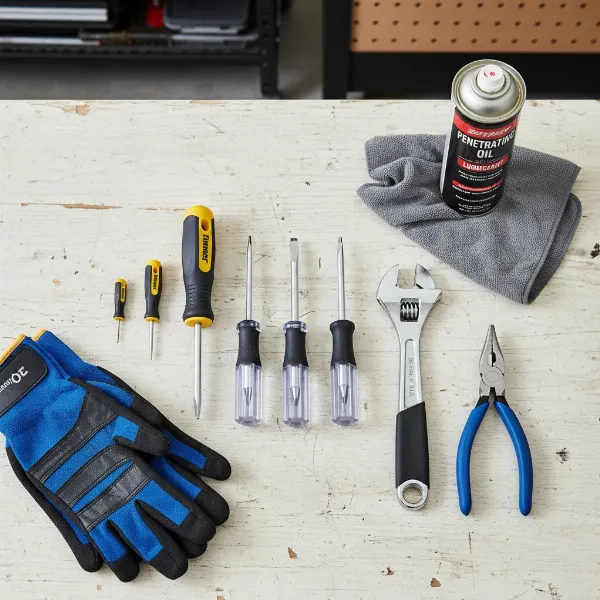 A collection of essential tools for repairing loose cookware handles, including screwdrivers and pliers.
Step-by-Step Guide to Tightening Screwed-On Handles
The most common and satisfying handle repair involves simply tightening a screw. Here’s how to do it safely and effectively:
- Prioritize Safety: Always ensure your stovetop cooker is completely cool and empty. If it’s an electric pressure cooker, unplug it from the power source. Safety is paramount, especially with heated appliances.
- Clean the Area: Wipe down the handle and the area where it attaches to the pot. Removing grease and food residue will give you a better grip and clearer visibility of the screws.
- Locate the Screws:
- Visible Screws: Many handles have screws clearly visible on the underside of the handle or where the handle meets the pot body.
- Hidden Screws: Some designs conceal screws under small plastic caps (which can often be carefully pried off) or deeply recessed within the handle itself. You might need to peek inside the handle for these.
- Select the Right Tool: Choose a screwdriver (Phillips or flathead) that perfectly fits the head of the screw. Using the wrong size can strip the screw, making future tightening or removal impossible.
- Tighten Clockwise: Insert the screwdriver tip into the screw head and turn it clockwise (to the right). Apply firm, steady pressure.
- Secure, Don’t Overtighten: Continue turning until the screw feels snug and the handle is firm. Avoid overtightening, as this can strip the screw threads or crack plastic handles. If there are multiple screws, tighten them incrementally, alternating between each, until all are secure.
- Test the Handle: Gently wiggle the handle to confirm it is no longer loose. If it still has some play, re-check the screws or inspect for other issues.
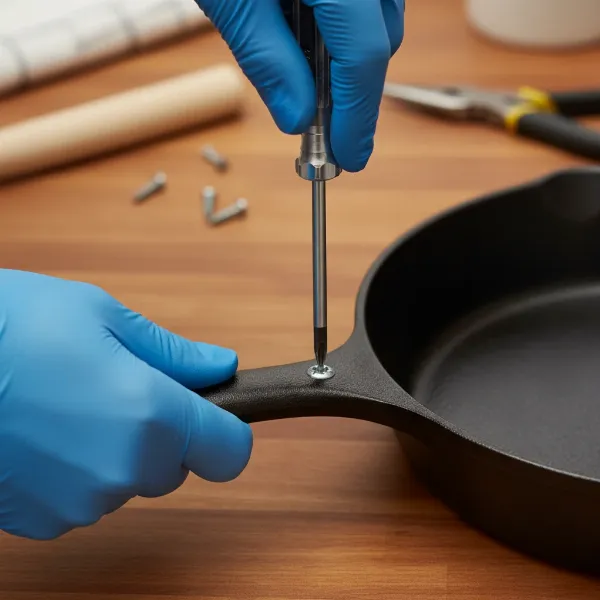 A person's hands using a screwdriver to tighten a loose screw on a stovetop cooker handle.
Addressing More Complex Handle Issues
Not all loose handles can be fixed with a simple twist of a screwdriver. Some require more involved solutions.
Fixing Riveted Handles
If your handle is attached with rivets and has become loose, tightening isn’t an option. The best course of action is often to:
- Replacement with a Bolt and Nut: For a DIY approach, you can carefully drill out the existing rivets and replace them with a stainless steel bolt and nut combination. Ensure the bolt is the correct length and gauge, and use washers on both sides for stability. This requires precision and the right drilling tools.
- Professional Repair: For valuable cookware or if you’re uncomfortable with drilling metal, a professional repair service specializing in cookware or metal fabrication may be able to replace the rivets or provide a more robust solution.
Repairing Welded Handles
A loose welded handle indicates a broken weld. This is a more advanced repair and often requires specialized equipment:
- Drilling and Bolting: As a last resort for a broken weld, you might drill a hole through the handle and the pot wall at the point of the break, then secure it with a screw and nut. This method, while effective, will permanently alter the pot and should be done with extreme caution to avoid damaging the cookware or compromising its structural integrity. This is generally not recommended for pressure cookers due to safety concerns related to weld integrity.
- Professional Welding: Re-welding is a specialized task. It’s best performed by a professional welder with experience in food-grade metal.
Special Considerations for Pressure Cooker Lid Handles
Pressure cooker lid handles are integral to the appliance’s safe operation. A loose lid handle can compromise the seal, affecting pressure build-up and posing significant safety risks.
- Modular Design: Many modern pressure cooker lid handles are modular. If the outer casing cracks, but the internal mechanisms (like the gland nut and metal stem) are intact, specific replacement parts may be available.
- Manufacturer Specifics: Due to the precise engineering and safety features of pressure cookers, it is highly recommended to consult your pressure cooker’s manual or the manufacturer’s website for specific handle repair or replacement instructions. Using generic parts or attempting repairs without proper guidance can be dangerous.
- Gland-Type Presser Accessories: For certain pressure cooker lids, especially those with “gland-type” designs, specialized repair kits or “presser accessories” might be available to restore tension and a secure fit. These often involve disassembling the handle to access internal components.
“A loose handle on any pot is a nuisance, but on a pressure cooker, it’s a critical safety flaw. Always prioritize repair or replacement over continued use.” – Admin, pressurecookerguides.com
When to Consider Handle Replacement
Sometimes, tightening is not enough, or simply not an option. You should consider replacing a handle if:
- Cracked or Broken Material: If the handle material (plastic, phenolic resin) is visibly cracked, shattered, or has large pieces missing, it’s beyond repair and needs replacement.
- Stripped Screws or Threads: If the screw head is stripped, making it impossible to turn, or if the internal threads in the handle or pot body are damaged, a simple tightening won’t work.
- Irreparable Damage: For riveted or welded handles where a DIY fix isn’t feasible, or if the overall structure of the handle is compromised.
- Safety Features Compromised: Especially for pressure cooker lid handles, if any integrated safety mechanisms (like lid locking or steam release alignment) are affected, immediate replacement is necessary.
- Manufacturer Recommendations: If the manufacturer advises against repairing and recommends replacement for a specific type of damage.
Many manufacturers offer replacement handles or handle kits for their models. Check with your cooker’s brand for authentic parts to ensure compatibility and safety.
How to Prevent Loose Handles
Proactive care can significantly extend the life of your cookware handles and prevent them from loosening.
- Regular Inspections: Periodically check all your cooker handles for any wobbling or play. A quick wiggle before each use can catch a problem early.
- Handwashing: While many pots are dishwasher safe, the intense heat and harsh detergents in dishwashers can degrade handle materials and loosen fasteners over time. Handwashing is gentler.
- Avoid Extreme Temperature Changes: Rapid changes from hot to cold can stress handle materials. Allow pots to cool down naturally before washing.
- Proper Storage: Store cookware in a way that avoids putting stress on handles. Don’t stack heavy pots directly on top of handles, potentially bending or breaking them.
- Use the Right Tools: When tightening, always use the correct size screwdriver to prevent stripping screw heads.
Safety First: Important Precautions
A secure handle is not just about convenience; it’s fundamental to kitchen safety.
- Risk of Spills and Burns: A loose handle can cause a hot pot to tip or drop, leading to severe burns from boiling liquids or food.
- Heavy Cookware: The danger is compounded with heavier pots and pressure cookers, where a sudden failure can cause significant injury.
- Pressure Cooker Specific Risks: For pressure cookers, a compromised handle can affect the lid’s seal, potentially leading to steam leaks, pressure instability, or even explosive depressurization if not properly secured. Never use a pressure cooker with a loose or damaged lid handle.
- Always Check Before Use: Make it a habit to check the stability of all handles before placing any pot on the stove, especially if it will contain hot liquids or be pressurized.
- Manufacturer Guidelines: Always adhere to the manufacturer’s instructions for your specific cookware model regarding maintenance, repair, and replacement.
Expert Tips for Long-Lasting Cookware
Leverage my years of experience to keep your stovetop cookers in top condition:
- Invest in Quality: Higher-quality cookware often features more robust handle attachment designs and better-grade materials, reducing the likelihood of loosening.
- Don’t Ignore the Small Wiggle: A slight wiggle today can become a dangerous break tomorrow. Address loose handles as soon as you notice them.
- Match Replacement Parts: If a handle component is broken, always try to source an original equipment manufacturer (OEM) replacement part. Generic parts may not fit correctly or meet safety standards, particularly for pressure cookers.
- Lubricate Gently: For metal-on-metal connections that feel stiff or squeaky (if applicable and accessible), a tiny amount of food-grade silicone lubricant can ease movement, but ensure it doesn’t compromise grip or safety.
Conclusion
A loose handle on your stovetop cooker doesn’t have to signal the end of its useful life. By understanding the different types of handle attachments, using the correct tools, and following safe repair practices, you can often restore your cookware to its former secure glory. From simple screw tightening to more involved replacements for pressure cooker lid handles, proactive maintenance and a keen eye for safety will ensure your kitchen remains a safe and enjoyable place to cook. Don’t let a wobbly handle risk your culinary adventures; tackle it head-on for peace of mind. What’s the oldest pot in your kitchen that’s still going strong thanks to a little TLC?
Frequently Asked Questions
Can I fix a loose handle if there are no visible screws?
Yes, many handles have concealed screws. Check for small plastic caps that can be carefully pried off, or inspect the inside of the handle where it attaches to the pot for hidden access points. Some designs may require partially disassembling the handle to reach the main fastening screw.
Is it safe to use a pressure cooker with a loose handle?
No, it is absolutely not safe to use a pressure cooker with a loose handle, especially on the lid. A loose handle can compromise the airtight seal, lead to steam leaks, prevent proper pressure build-up, and, most critically, pose a risk of injury from hot contents or rapid depressurization. Repair or replace it immediately before use.
How often should I check my pot handles?
It’s a good practice to perform a quick visual and tactile check of all pot and pan handles before each use. For a more thorough inspection, aim to check them every few months, especially for cookware used frequently or subjected to high heat, to catch any loosening early.