Is the lingering aroma of last night’s curry or chili haunting your kitchen every time you open your pressure cooker? You’re not alone. The silicone sealing ring, a crucial component for safe and efficient pressure cooking, is notorious for absorbing strong food odors. But before you resign yourself to a perpetually fragrant appliance or rush to buy a new ring, there’s a simple, natural, and highly effective solution right in your pantry: white vinegar. This guide will walk you through easy steps to banish those stubborn smells, restoring freshness to your beloved pressure cooker.
Understanding Why Your Pressure Cooker Sealing Ring Smells
The unique properties of silicone, while excellent for creating an airtight seal, also make it susceptible to absorbing odors. Silicone is porous at a microscopic level, allowing volatile organic compounds (VOCs) from highly aromatic foods like garlic, onions, spices, and curries to penetrate and get trapped within its structure.
The Nature of Silicone
|
Our Picks for the Best Pressure cooker in 2026
As an Amazon Associate I earn from qualifying purchases.
|
||
| Num | Product | Action |
|---|---|---|
| 1 | Our Place Dream Cooker - 6 Qt Ceramic Nonstick Multicooker & Pressure Cooker with Touchscreen Controls & Auto Steam Release - 4 Modes: Pressure Cook, Sauté/Sear, Slow Cook & Warm - Blue Salt |

|
| 2 | Instant Pot Duo 7-in-1 Electric Pressure Cooker, Slow Cooker, Rice, Steamer, Sauté, Yogurt Maker, Warmer & Sterilizer, Includes App With Over 800 Recipes, Stainless Steel, 6 Quart |
|
| 3 | Stove Top 304 Stainless Steel Pressure Cooker, One-hand Easy Handle Lid, 3 PSI Setting, 6 Safety Systems, Dishwasher Safe, Olla de Presion, Works for All Cooktops (8.5 QT) |
|
| 4 | Our Place Dream Cooker - 6 Qt Ceramic Nonstick Multicooker & Pressure Cooker with Touchscreen Controls & Auto Steam Release - 4 Modes: Pressure Cook, Sauté/Sear, Slow Cook & Warm - Spice |
|
| 5 | COMFEE' 9-in-1 Electric Pressure Cooker, 14 Presets Instant Multi Cooker Olla de Presion Non-Stick Pot Yogurt Maker Rice Cooker Slow Cooker Sauté Steamer 6 Quarts Black |
|
| 6 | Instant Pot Duo 7-in-1 Mini Electric Pressure Cooker, Slow Rice Cooker, Steamer, Sauté, Yogurt Maker, Warmer & Sterilizer, Includes Free App with over 1900 Recipes, Stainless Steel, 3 Quart |
|
| 7 | Instant Pot Duo 7-in-1 Electric Pressure Cooker, Slow Cooker, Rice Cooker, Steamer, Sauté, Yogurt Maker, Warmer & Sterilizer, Includes App with Over 800 Recipes, Stainless Steel, 8 Quart |
|
| 8 | CHEF iQ Smart Pressure Cooker with WiFi and Built-in Scale - Easy-to-Use 10-in-1 Multicooker with 500+ Guided Recipes - Rice Cooker, Slow Cooker, Instant Meals for Foodies - 6 Quart - Family Size |
|
| 9 | COSORI Pressure Cooker 6QT, Stainless Steel, 9-in-1 Multi Cooker, 12 Safety Features, Ceramic Inner Pot, Rice, Slow Cook, Sous Vide, Saute, 1100W |
|
| 10 | Our Place Dream Cooker - 6 Qt Ceramic Nonstick Multicooker & Pressure Cooker with Touchscreen Controls & Auto Steam Release - 4 Modes: Pressure Cook, Sauté/Sear, Slow Cook & Warm - Steam |
|
Silicone is a highly durable and flexible material, resistant to extreme temperatures, which makes it ideal for pressure cooker sealing rings. However, its molecular structure allows it to absorb odors over time. Unlike hard plastics that might simply get stained or discolored, silicone truly holds onto the scent, releasing it slowly, sometimes even during subsequent cooking sessions.
Common Odor Culprits
Think about the dishes you frequently prepare in your pressure cooker: hearty stews, aromatic curries, garlic-infused braises, and chili. These foods, while delicious, are packed with strong-smelling compounds. When cooked under pressure, these compounds become even more concentrated, making the sealing ring an easy target for odor absorption. It’s a battle between your dinner and your desire for a neutral-smelling kitchen appliance.
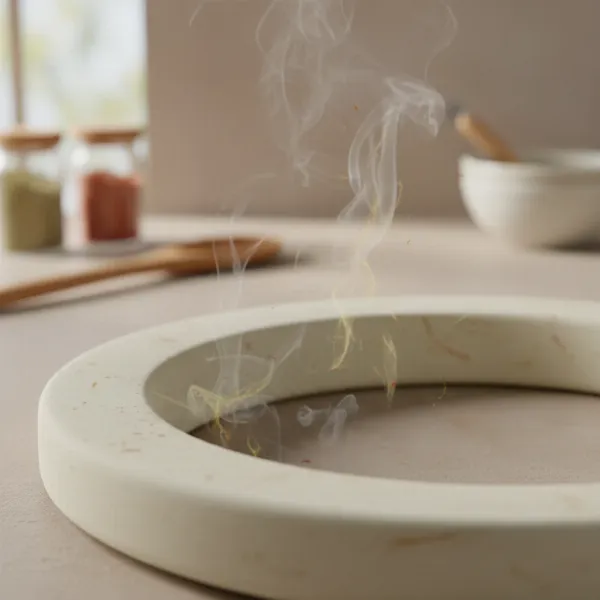 Close-up of pressure cooker silicone sealing ring absorbing strong food odors from aromatic curry.
The Power of Vinegar in Deodorizing
White vinegar is a household hero, celebrated for its cleaning and deodorizing capabilities. Its effectiveness against odors, especially in a pressure cooker’s sealing ring, comes from its acidic nature.
How Vinegar Works
Vinegar contains acetic acid, which is key to its deodorizing power. While some sources suggest vinegar might primarily mask odors rather than kill odor-causing microbes, it is widely recognized for its ability to neutralize alkaline odors. Many food odors are alkaline, making vinegar an ideal counter-agent. When used in a steam clean or soak, vinegar can help break down the odor-causing compounds trapped in the silicone, allowing them to be rinsed away or dissipate.
Why Choose Vinegar for Your Pressure Cooker Seal
Choosing vinegar is a smart move for several reasons. It’s:
- Natural and Non-Toxic: A food-safe product, ensuring no harsh chemicals come into contact with your cooking surfaces.
- Cost-Effective: Inexpensive and readily available in most homes.
- Effective: Proven by countless home cooks to significantly reduce or eliminate odors from silicone.
- Versatile: Can be used in multiple ways, from a quick steam cycle to a prolonged soak.
Step-by-Step Guide: Deodorizing Your Sealing Ring with Vinegar
There are two primary methods to tackle a smelly sealing ring with vinegar. Both are effective, and you might find one works better for your specific needs or the intensity of the odor.
Method 1: The Vinegar Steam Clean
This method not only deodorizes the sealing ring but also gives the entire pot and lid a refreshing clean.
Ingredients:
- 1 cup white vinegar
- 1-2 cups water
- Optional: a few lemon peels or a tablespoon of lemon juice for extra freshness
Instructions:
- Remove the Ring: Detach the silicone sealing ring from the lid of your pressure cooker.
- Add Liquids to Pot: Pour the white vinegar and water into the inner pot of your pressure cooker. If using, add the lemon peels or juice.
- Place Ring (Optional, but Recommended): You can place the removed sealing ring directly into the pot with the liquid, or re-insert it into the lid as usual and place the lid on the pot. Many find putting the ring back into the lid helps steam clean it in its regular position.
- Seal and Steam: Close the lid, ensuring it’s properly sealed. Set the steam release valve to the “sealing” position.
- Run Steam Cycle: Select the “Steam” function on your pressure cooker and set the timer for 2 to 3 minutes.
- Natural Release: Once the cycle is complete, allow the pressure to release naturally. This typically takes 10-15 minutes.
- Air Dry: Carefully open the lid, remove the sealing ring, and wash it with warm soapy water. Rinse thoroughly and allow it to air dry completely on a rack. Avoid using a towel, as it can leave lint.
Method 2: Vinegar Soaking
For particularly stubborn odors or if you prefer a more hands-off approach, soaking can be highly effective.
Ingredients:
- White vinegar
- Warm water (optional, for dilution)
Instructions:
- Remove the Ring: Take the silicone sealing ring out of the pressure cooker lid.
- Prepare Soak: In a bowl, submerge the sealing ring in undiluted white vinegar. For a less intense approach, you can use a 50/50 mixture of white vinegar and warm water.
- Soak Time: Let the ring soak for at least 30 minutes, or for very strong odors, overnight.
- Wash and Dry: After soaking, remove the ring, wash it thoroughly with warm soapy water, rinse well, and air dry completely before re-inserting it into your pressure cooker lid.
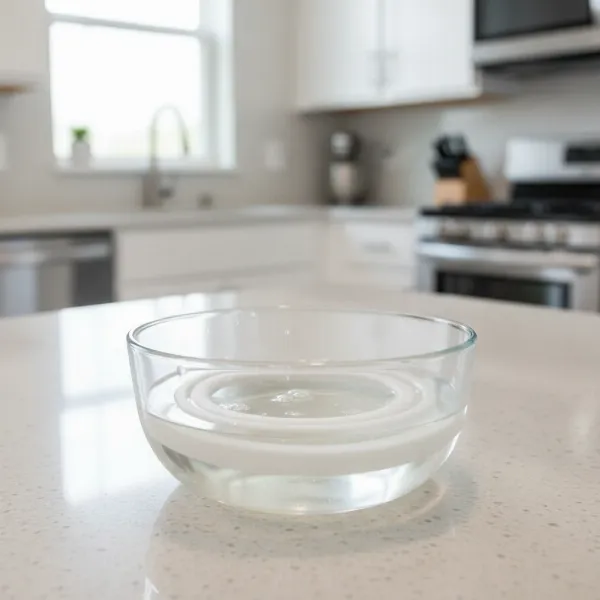 Silicone pressure cooker sealing ring soaking in a bowl of white vinegar solution.
“A quick vinegar steam bath is often all it takes to refresh a smelly pressure cooker seal. It’s a method I’ve relied on for years to keep my kitchen smelling great, even after cooking the most pungent dishes.” – Chef Elena Rodriguez, Culinary Expert and Author
Comparing Vinegar Methods with Other Deodorizing Techniques
While vinegar is a powerful tool, it’s one of several options. Understanding how it stacks up against other methods can help you choose the best approach for different situations.
Vinegar vs. Dishwasher
Many pressure cooker sealing rings are dishwasher safe. A run through the dishwasher can often remove a significant amount of odor.
- Vinegar Advantage: Can be more direct and potent for deeply embedded smells, especially when steam cleaning within the pot itself. It also avoids potential residue from dishwasher detergents.
- Dishwasher Advantage: Convenient for regular cleaning and overall hygiene, especially if you’re already running a load.
Vinegar vs. Baking Soda
Baking soda is another common household deodorizer. You can sprinkle it on the dry ring and let it sit, or make a paste with water.
- Vinegar Advantage: Acts more quickly and is particularly effective when used with heat (steam cleaning).
- Baking Soda Advantage: Excellent for absorbing lingering odors over a longer period, especially when dry. It’s good as a follow-up or for milder smells.
The Role of Sunlight and Freezing
For an added boost, consider these natural methods:
- Sunlight: UV rays from direct sunlight can naturally break down odor-causing compounds. After cleaning, place your ring in direct sunlight for a few hours.
- Freezing: Storing your dry sealing ring in the freezer between uses can help neutralize odors and prevent new ones from setting in, by inhibiting bacterial growth that contributes to smells.
A Quick Comparison Table of Deodorizing Methods
| Method | Ingredients/Tools | Time Required | Effectiveness | Notes |
|---|---|---|---|---|
| Vinegar Steam Clean | White vinegar, water, (lemon optional) | 5-20 minutes (including NR) | High | Cleans pot & lid simultaneously. Fast. |
| Vinegar Soak | White vinegar, (water optional) | 30 mins – Overnight | High | Good for stubborn, deeply set odors. |
| Dishwasher | Dishwasher detergent | 1-2 hours (full cycle) | Moderate-High | Convenient, but may not tackle very strong odors. |
| Baking Soda Paste | Baking soda, water | 1-2 hours (or overnight) | Moderate | Absorbs odors, good for mild smells. |
| Sunlight Exposure | Direct sunlight | A few hours | Moderate-High | Natural UV helps break down odors. |
| Freezing | Freezer | Overnight – Between uses | Moderate (preventative) | Neutralizes and prevents odor buildup. |
Preventing Future Odors in Your Pressure Cooker Sealing Ring
Prevention is always better than cure. By adopting a few simple habits, you can significantly reduce the chances of your sealing ring developing strong odors in the first place.
Regular Cleaning Habits
Make it a routine to remove and clean your sealing ring after every use. A quick wash with warm, soapy water immediately after cooking can prevent odors from setting in. Pay attention to both sides of the ring and any grooves where food particles might hide.
Proper Storage Techniques
How you store your pressure cooker makes a big difference. After washing and thoroughly drying, always store the lid upside down on the pot. This allows air circulation around the sealing ring and the lid, preventing moisture and trapped odors from festering. Avoid sealing the pot with the lid and ring tightly in place for extended periods.
Consider Extra Sealing Rings
Many experienced pressure cooker users recommend having at least two sealing rings: one for savory dishes and one for sweet. This simple solution prevents the cross-contamination of flavors and odors between your favorite curry and your dessert. Sealing rings are relatively inexpensive and widely available.
When to Replace Your Pressure Cooker Sealing Ring
While cleaning and deodorizing can prolong the life of your sealing ring, it’s not a permanent solution for every issue. Knowing when to replace it is crucial for both food safety and efficient cooking.
Signs of Wear and Tear
Regularly inspect your sealing ring for any signs of damage:
- Cracks or Tears: Even small cracks can compromise the seal, leading to steam leakage.
- Deformation or Stretching: If the ring appears stretched, brittle, or no longer fits snugly, it won’t create a proper seal.
- Persistent Odors: If, despite all your cleaning efforts, the ring continues to emit strong odors, it might be time for a fresh one.
- Discoloration: While not always indicative of damage, significant discoloration can sometimes signal degradation.
Impact on Safety and Performance
A worn-out sealing ring can lead to several problems. It might prevent your pressure cooker from coming to pressure, extend cooking times, or worse, lead to steam escaping unsafely. Replacing the ring every 12 to 18 months, or sooner if you notice any issues, is a good practice to ensure optimal performance and safety.
Common Misconceptions About Sealing Ring Odors and Vinegar
It’s important to clarify a few common misunderstandings about using vinegar to clean your sealing ring:
Some believe that vinegar kills bacteria responsible for odors. While vinegar has some antimicrobial properties, it’s not a disinfectant in the same league as bleach. Its primary role in deodorizing silicone is neutralizing odor-causing compounds, not necessarily eradicating all microbes. Therefore, ensure you’re still thoroughly washing your ring with soap and water. Another misconception is that strong vinegar might damage the silicone. White vinegar, especially when diluted or used for short periods as suggested, is generally safe for silicone. Prolonged exposure to very concentrated acids could potentially degrade materials over a very long time, but for the typical use in deodorizing, it poses no threat.
Conclusion
A smelly pressure cooker sealing ring is a common annoyance, but it’s one you can easily conquer with the humble power of white vinegar. Whether you opt for a refreshing steam clean or a deep soak, vinegar provides an effective, natural, and economical solution to banish those persistent food odors. By incorporating regular cleaning habits, proper storage, and knowing when it’s time for a replacement, you can ensure your pressure cooker remains a dependable and pleasant tool in your kitchen. Say goodbye to unwanted aromas and hello to fresh, flavorful cooking every time. What’s your go-to dish to make after deodorizing your pressure cooker?
Frequently Asked Questions
Can I use apple cider vinegar instead of white vinegar for deodorizing?
While apple cider vinegar also contains acetic acid, it has a distinct odor of its own, which you might not want to transfer to your sealing ring. White vinegar is preferred because of its neutral scent and slightly higher acidity, making it more effective at neutralizing food odors without adding a new smell.
How often should I deodorize my sealing ring with vinegar?
The frequency depends on your cooking habits. If you regularly prepare strong-smelling foods like curries or chilies, you might find it beneficial to deodorize with vinegar every few uses. For lighter cooking, once a month or as needed when odors become noticeable should suffice. Regular washing after each use is the most important preventative measure.
Will vinegar damage my silicone sealing ring?
No, using white vinegar as described for deodorizing your silicone sealing ring is generally safe and will not damage it. Silicone is a highly durable material resistant to mild acids. However, always rinse the ring thoroughly after a vinegar treatment to remove any residue and ensure it is completely dry before storage or reuse.