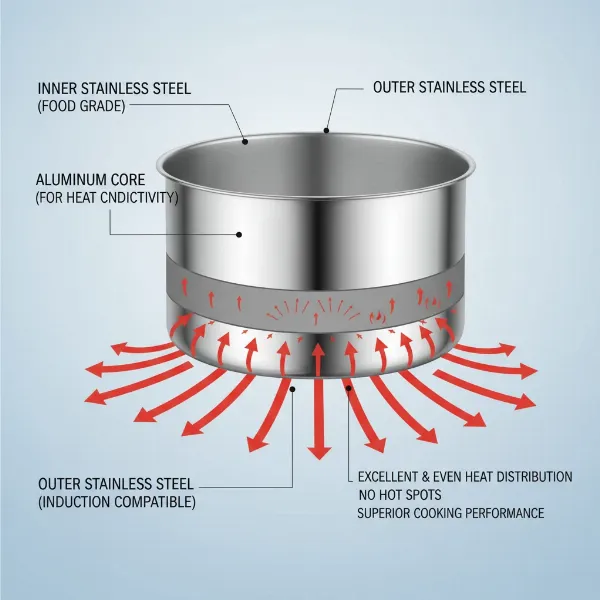
In a world where time is a precious commodity, the promise of quick, effortless home-cooked meals holds undeniable appeal. The Power Pressure Cooker XL, famously marketed as an “As Seen on TV” sensation, entered countless kitchens with the alluring promise of revolutionary speed and convenience. This comprehensive review dives deep into what this appliance offers, its benefits, and, crucially, the significant considerations potential users must understand. We aim to provide an unbiased perspective, helping you decide if this multi-cooker truly lives up to its televised hype.
What is the Power Pressure Cooker XL?
The Power Pressure Cooker XL is an electric multi-cooker designed and manufactured by Tristar Products, Inc. Positioned as an all-in-one kitchen solution, it combines various cooking functionalities into a single appliance. Its primary draw has always been its ability to significantly reduce cooking times compared to traditional methods, aiming to bring home-cooked meals to the table faster and with less effort.
A Look at the Power Pressure Cooker XL’s Features and Specifications
The Power Pressure Cooker XL is equipped with a range of features intended to enhance the cooking experience and simplify meal preparation.
Versatile Cooking Functions
|
Our Picks for the Best Pressure cooker in 2026
As an Amazon Associate I earn from qualifying purchases.
|
||
| Num | Product | Action |
|---|---|---|
| 1 | Instant Pot Duo 7-in-1 Electric Pressure Cooker, Slow Cooker, Rice Cooker, Steamer, Sauté, Yogurt Maker, Warmer & Sterilizer, Includes App with Over 800 Recipes, Stainless Steel, 8 Quart |

|
| 2 | Our Place Dream Cooker - 6 Qt Ceramic Nonstick Multicooker & Pressure Cooker with Touchscreen Controls & Auto Steam Release - 4 Modes: Pressure Cook, Sauté/Sear, Slow Cook & Warm - Spice |
|
| 3 | COSORI Pressure Cooker 6QT, Stainless Steel, 9-in-1 Multi Cooker, 12 Safety Features, Ceramic Inner Pot, Rice, Slow Cook, Sous Vide, Saute, 1100W |
|
| 4 | Our Place Dream Cooker - 6 Qt Ceramic Nonstick Multicooker & Pressure Cooker with Touchscreen Controls & Auto Steam Release - 4 Modes: Pressure Cook, Sauté/Sear, Slow Cook & Warm - Steam |
|
| 5 | COMFEE' 9-in-1 Electric Pressure Cooker, 14 Presets Instant Multi Cooker Olla de Presion Non-Stick Pot Yogurt Maker Rice Cooker Slow Cooker Sauté Steamer 6 Quarts Black |
|
| 6 | CHEF iQ Smart Pressure Cooker with WiFi and Built-in Scale - Easy-to-Use 10-in-1 Multicooker with 500+ Guided Recipes - Rice Cooker, Slow Cooker, Instant Meals for Foodies - 6 Quart - Family Size |
|
| 7 | Instant Pot Duo 7-in-1 Electric Pressure Cooker, Slow Cooker, Rice, Steamer, Sauté, Yogurt Maker, Warmer & Sterilizer, Includes App With Over 800 Recipes, Stainless Steel, 6 Quart |
|
| 8 | Instant Pot Duo 7-in-1 Mini Electric Pressure Cooker, Slow Rice Cooker, Steamer, Sauté, Yogurt Maker, Warmer & Sterilizer, Includes Free App with over 1900 Recipes, Stainless Steel, 3 Quart |
|
| 9 | Stove Top 304 Stainless Steel Pressure Cooker, One-hand Easy Handle Lid, 3 PSI Setting, 6 Safety Systems, Dishwasher Safe, Olla de Presion, Works for All Cooktops (8.5 QT) |
|
| 10 | Our Place Dream Cooker - 6 Qt Ceramic Nonstick Multicooker & Pressure Cooker with Touchscreen Controls & Auto Steam Release - 4 Modes: Pressure Cook, Sauté/Sear, Slow Cook & Warm - Blue Salt |
|
This appliance boasts multi-functional capabilities, allowing it to perform various cooking tasks. Users can utilize it for traditional pressure cooking, slow cooking, steaming, and sautéing ingredients directly in the pot. It also includes specific presets for preparing rice and even for canning.
Digital Interface and Presets
A prominent feature is its digital display panel, which offers intuitive, one-touch preset buttons for popular dishes such as meat, fish, soup, rice, and canning. This aims to simplify the cooking process, eliminating the guesswork often associated with pressure cooking.
Available Sizes
To cater to diverse household needs, the Power Pressure Cooker XL is typically available in multiple capacities, commonly including 6-quart, 8-quart, and 10-quart models. This allows users to choose a size appropriate for individual meals or family-sized portions.
Design and Build
The cooker features a brushed stainless steel exterior, contributing to a modern aesthetic that fits many kitchen decors. Its inner cooking pot is removable and often coated with a non-stick material for easier food release and cleanup. A sturdy, large lid arm handle is designed for secure and safe management.
Flavor Infusion Technology
A key selling point is its “Flavor Infusion Technology,” which claims to trap super-heated steam and liquid inside the pot, forcing moisture and flavor back into the food. This process is advertised to result in more tender, juicier, and flavorful meals.
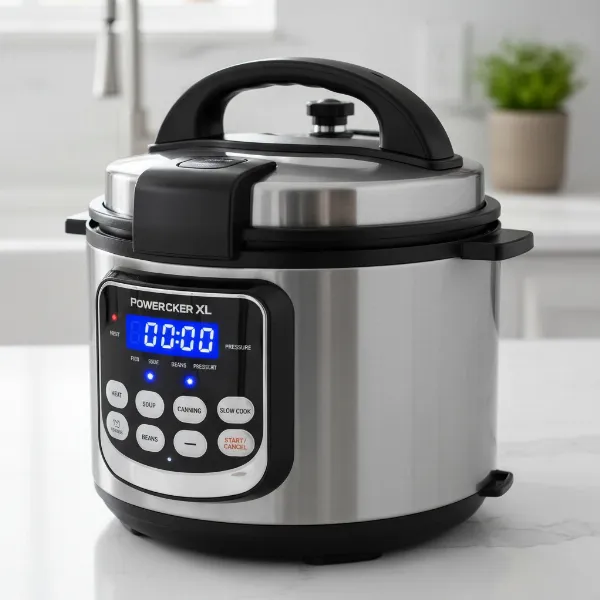 Power Pressure Cooker XL showing its digital display and various cooking function buttons.
The Promise of Speed and Convenience: Benefits of the Power Pressure Cooker XL
For many home cooks, the Power Pressure Cooker XL represents a solution to the perennial challenge of preparing wholesome meals efficiently.
Faster Meal Preparation
The core advantage of pressure cooking is its speed. The Power Pressure Cooker XL is often advertised to cut cooking times by up to 70%, making it possible to prepare dishes like stews, roasts, and beans in a fraction of the time compared to conventional methods. This can be a game-changer for busy weeknights.
One-Touch Simplicity
The digital interface with preset programs streamlines the cooking process. Instead of manually adjusting heat and timing, users can select a specific function with a single touch, allowing the cooker to manage the pressure and temperature automatically. This “set it and forget it” approach appeals to those seeking convenience.
Multi-Functionality
By combining the functions of a pressure cooker, slow cooker, steamer, and rice cooker, the Power Pressure Cooker XL can potentially reduce kitchen clutter, replacing several single-purpose appliances. This versatility allows for a broad range of culinary applications, from quick weeknight dinners to slow-cooked weekend feasts.
Retained Nutrients and Flavor
The sealed cooking environment not only speeds up the cooking process but also helps to trap vitamins, minerals, and natural flavors that might otherwise escape through evaporation in traditional cooking. This can lead to healthier and more delicious results.
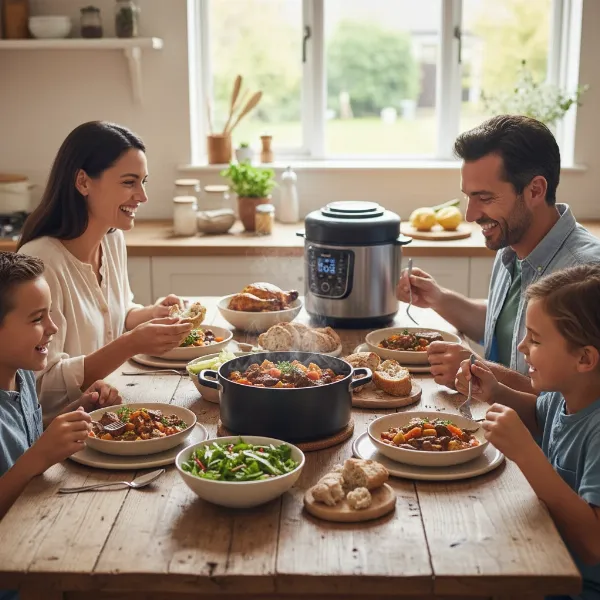 A delicious home-cooked meal served on a table, prepared quickly using an electric pressure cooker.
The Critical Concerns: Safety and Reliability
While the Power Pressure Cooker XL promises significant benefits, it is crucial to address the serious concerns that have emerged regarding its safety and long-term reliability.
Safety Concerns and Lawsuits
Perhaps the most significant concern surrounding the Power Pressure Cooker XL involves numerous reports of serious injuries, particularly severe burns. Despite promotional material highlighting advanced safety features and a lid designed to be impossible to remove under pressure, there have been many instances where the lid allegedly flew off prematurely. This malfunction has resulted in the violent ejection of scalding hot liquid and steam, leading to second and third-degree burns for users. The manufacturer, Tristar Products, Inc., has faced multiple lawsuits alleging defective and dangerous product design.
Durability and Maintenance Issues
Beyond the critical safety issues, some users have reported problems with the cooker’s durability and various components. Common complaints include the silicone sealing ring around the lid losing its effectiveness over time, leading to steam leakage and improper pressurization. Additionally, the non-stick coating on the inner pot has been noted by some to degrade or chip, making cleaning more difficult and potentially affecting food safety.
Canning Recommendations
Although the Power Pressure Cooker XL is marketed with a canning function and includes canning instructions, it is important to note that the United States Department of Agriculture (USDA) generally does not recommend electric pressure cookers for canning. This is because electric models may not consistently reach or maintain the required temperatures and pressures for safe canning, especially for low-acid foods, posing a risk of botulism. While some sources suggest it might be used for high-acid goods, strict adherence to specific, tested canning recipes is paramount, and it is a feature that requires extreme caution.
Learning Curve and Operational Nuances
Despite its “one-touch” marketing, like all pressure cookers, the Power Pressure Cooker XL requires users to understand how it functions, including proper lid sealing, steam release methods, and the time it takes to build pressure before the actual cooking time begins. Misunderstanding these nuances can lead to frustrating cooking experiences or, more seriously, unsafe operation.
Power Pressure Cooker XL vs. The Competition
When considering an electric pressure cooker, the Power Pressure Cooker XL often enters a comparison with other popular brands like the Instant Pot. While both aim to offer multi-functional, fast cooking, user experiences and safety records present a stark contrast. Many users who encountered issues with the Power Pressure Cooker XL, particularly regarding safety or durability, often report switching to other brands and finding them more reliable and easier to use. The extensive community support and consistent performance of competitors are frequently cited as reasons for their preference.
Is the Power Pressure Cooker XL Right for You? A Buying Guide
Deciding whether the Power Pressure Cooker XL is the right kitchen appliance involves weighing its advertised conveniences against documented concerns.
- Prioritize Safety: Given the numerous reports of lid explosions and burn injuries, safety should be your foremost consideration. Researching the latest safety information and any potential recalls is essential.
- Evaluate Your Needs: If you primarily seek a multi-functional appliance for quick meals, many electric pressure cookers offer similar benefits. Consider how often you would use the various functions.
- Read User Reviews (Critically): Look beyond marketing claims and examine a wide range of user reviews, paying close attention to long-term experiences and safety incidents.
- Consider Alternatives: Explore other reputable electric pressure cooker brands known for their consistent performance and robust safety features.
Tips for Safe and Effective Use (If You Already Own One)
If you currently own a Power Pressure Cooker XL, adhering to strict safety protocols is paramount to minimizing risks.
- Always Inspect Components: Before each use, carefully check the sealing ring for any cracks or damage and ensure it is correctly seated in the lid. Verify that the float valve and steam release valve are clear of food debris and move freely.
- Observe Fill Lines: Never overfill the pressure cooker. Always adhere to the maximum fill lines indicated in your manual, especially when cooking foods that expand or foam.
- Proper Lid Closure: Ensure the lid is securely locked in place before starting any cooking program. If steam leaks from the sides during operation, immediately turn off the unit and allow it to depressurize naturally before re-sealing.
- Safe Pressure Release: Follow the manufacturer’s instructions for releasing pressure. Be cautious when performing a quick release, as a vigorous stream of hot steam will be ejected from the valve. Always keep your hands and face away from the steam vent.
- Canning Caution: If you choose to use the canning function, only do so for high-acid foods and strictly follow USDA-tested recipes for electric pressure cookers.
Troubleshooting Common Power Pressure Cooker XL Issues
Even with careful use, you might encounter some common issues.
- Not Pressurizing: This is often due to the steam release valve being in the “venting” position instead of “sealing,” a misaligned or damaged sealing ring, or insufficient liquid in the pot. Ensure the valve is set correctly, the sealing ring is snug, and there’s at least the minimum required liquid.
- Steam Leaking: Excessive steam leaking from around the lid typically indicates an improperly seated or damaged sealing ring. Turn off the cooker, allow it to depressurize, and reposition or replace the ring if necessary.
- Lid Getting Stuck: If the lid is difficult to open after cooking, it means there is still pressure inside. Do not force it. Allow the cooker to cool down naturally or use the quick-release method until the float valve drops, indicating it is safe to open.
Conclusion
The Power Pressure Cooker XL, with its “As Seen on TV” notoriety, brought the allure of fast, convenient cooking to many households. Its multi-functional design, intuitive digital controls, and promise of delicious, speedy meals are certainly appealing. However, the product’s journey has been significantly overshadowed by widespread reports of critical safety concerns, particularly lid explosions leading to severe burn injuries, and subsequent lawsuits. While it offers the potential for efficiency and culinary versatility, these documented reliability issues and safety hazards demand careful consideration.
Ultimately, the decision to purchase or continue using a Power Pressure Cooker XL rests on an informed evaluation of its conveniences against its serious drawbacks. Prioritizing safety and thoroughly researching user experiences and any updated product information is crucial before welcoming this appliance into your kitchen.
Frequently Asked Questions
Is the Power Pressure Cooker XL still safe to use?
There have been numerous reports and lawsuits concerning lid malfunctions and severe burn injuries associated with the Power Pressure Cooker XL. Consumers should exercise extreme caution and consider these documented safety concerns when deciding whether to use the appliance.
Can I use the Power Pressure Cooker XL for canning?
While the Power Pressure Cooker XL includes a canning function, the USDA does not generally recommend electric pressure cookers for safe home canning, especially for low-acid foods, due to concerns about consistent pressure and temperature. Use with extreme caution and only for high-acid foods with tested recipes.
What should I do if my Power Pressure Cooker XL is not building pressure?
If your Power Pressure Cooker XL is not building pressure, check that the steam release valve is in the “sealing” position, ensure the silicone sealing ring is properly installed and undamaged, and verify that you have added the minimum required amount of liquid to the pot.