Have you ever wondered how to unlock the full potential of your pressure cooker, ensuring perfectly cooked meals every time? The secret often lies with a humble yet indispensable accessory: the steam rack trivet. This versatile tool elevates your cooking, transforming ordinary pressure cooking into an art form of efficiency, precision, and nutritional preservation. For over a decade, I’ve immersed myself in the world of pressure cooking, from basic stovetop models to advanced electric units. My journey has revealed that understanding and effectively utilizing the steam rack trivet is crucial for both novice and seasoned home cooks. This comprehensive guide will illuminate the path, empowering you to choose the right trivet, use it safely, and create a myriad of delectable dishes, turning your pressure cooker into a reliable culinary companion.
What is a Pressure Cooker Steam Rack Trivet?
At its core, a pressure cooker steam rack trivet is an elevated platform designed to sit within the inner pot of your pressure cooker. Typically crafted from stainless steel or silicone, its primary function is to lift food above the cooking liquid, creating a dedicated steaming zone. This ingenious design allows superheated steam to circulate freely around your ingredients, ensuring even cooking while preventing direct contact with the water or broth below. This elevation is critical for preventing food from becoming soggy, sticking to the bottom of the pot, or even triggering “burn” errors in electric pressure cookers. Many modern trivets come equipped with convenient handles, making it effortless to lower and, more importantly, safely retrieve hot food items once cooking is complete.
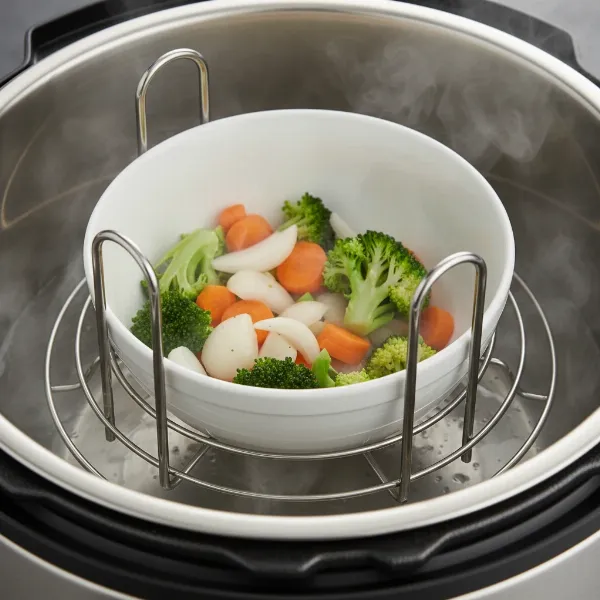 Stainless steel pressure cooker trivet lifting food above liquid for steaming, with handles.
The Evolution of the Pressure Cooker Trivet
The concept of the trivet is far from new, tracing its origins back to a simpler time. Historically, a trivet was a three-legged metal stand used to support cooking pots over an open fire, protecting surfaces from intense heat. As cooking methods evolved and the pressure cooker gained prominence, the trivet adapted. The modern pressure cooker trivet, often a round wire rack or a more intricate silicone design, emerged as an essential accessory, specifically engineered to thrive in the high-pressure, high-temperature environment of today’s cooking appliances. This evolution highlights a continuous dedication to enhancing cooking efficiency and food quality.
From Classic Designs to Modern Innovations
|
Our Picks for the Best Pressure cooker in 2026
As an Amazon Associate I earn from qualifying purchases.
|
||
| Num | Product | Action |
|---|---|---|
| 1 | Instant Pot Duo 7-in-1 Electric Pressure Cooker, Slow Cooker, Rice Cooker, Steamer, Sauté, Yogurt Maker, Warmer & Sterilizer, Includes App with Over 800 Recipes, Stainless Steel, 8 Quart |

|
| 2 | Our Place Dream Cooker - 6 Qt Ceramic Nonstick Multicooker & Pressure Cooker with Touchscreen Controls & Auto Steam Release - 4 Modes: Pressure Cook, Sauté/Sear, Slow Cook & Warm - Blue Salt |
|
| 3 | COMFEE' 9-in-1 Electric Pressure Cooker, 14 Presets Instant Multi Cooker Olla de Presion Non-Stick Pot Yogurt Maker Rice Cooker Slow Cooker Sauté Steamer 6 Quarts Black |
|
| 4 | CHEF iQ Smart Pressure Cooker with WiFi and Built-in Scale - Easy-to-Use 10-in-1 Multicooker with 500+ Guided Recipes - Rice Cooker, Slow Cooker, Instant Meals for Foodies - 6 Quart - Family Size |
|
| 5 | Instant Pot Duo 7-in-1 Electric Pressure Cooker, Slow Cooker, Rice, Steamer, Sauté, Yogurt Maker, Warmer & Sterilizer, Includes App With Over 800 Recipes, Stainless Steel, 6 Quart |
|
| 6 | Stove Top 304 Stainless Steel Pressure Cooker, One-hand Easy Handle Lid, 3 PSI Setting, 6 Safety Systems, Dishwasher Safe, Olla de Presion, Works for All Cooktops (8.5 QT) |
|
| 7 | Our Place Dream Cooker - 6 Qt Ceramic Nonstick Multicooker & Pressure Cooker with Touchscreen Controls & Auto Steam Release - 4 Modes: Pressure Cook, Sauté/Sear, Slow Cook & Warm - Spice |
|
| 8 | Instant Pot Duo 7-in-1 Mini Electric Pressure Cooker, Slow Rice Cooker, Steamer, Sauté, Yogurt Maker, Warmer & Sterilizer, Includes Free App with over 1900 Recipes, Stainless Steel, 3 Quart |
|
| 9 | Our Place Dream Cooker - 6 Qt Ceramic Nonstick Multicooker & Pressure Cooker with Touchscreen Controls & Auto Steam Release - 4 Modes: Pressure Cook, Sauté/Sear, Slow Cook & Warm - Steam |
|
| 10 | COSORI Pressure Cooker 6QT, Stainless Steel, 9-in-1 Multi Cooker, 12 Safety Features, Ceramic Inner Pot, Rice, Slow Cook, Sous Vide, Saute, 1100W |
|
The journey of the pressure cooker trivet reflects the broader advancements in kitchen technology. Early pressure cooker models might have included basic wire racks, but contemporary designs feature innovations like collapsible handles, varying heights, and multi-functional tiers, allowing for more complex cooking techniques. These milestones have transformed the trivet from a mere stand into a dynamic tool, capable of supporting diverse culinary endeavors and contributing significantly to the convenience and versatility of pressure cooking.
Popular Types of Pressure Cooker Trivets
The market offers a variety of steam rack trivets, each with distinct characteristics tailored to different cooking needs. Understanding these types will help you select the best fit for your pressure cooking adventures.
Stainless Steel Trivets (For Stovetop and Electric Pressure Cookers)
Stainless steel trivets are the most common and widely preferred type. Their robust construction ensures durability, resistance to rust, and excellent heat conduction. They are sturdy, capable of supporting heavier items like whole chickens or roasts, and are typically dishwasher-safe, simplifying cleanup. Many come with integrated handles that remain cool enough to safely lift out hot food and containers.
Silicone Trivets
Silicone trivets offer flexibility and are gentle on non-stick surfaces, making them a good option for certain tasks. They are non-scratch, heat-resistant, and often feature wider bases that can be useful for stability. However, they may not be as sturdy as stainless steel for very heavy items and can sometimes be trickier to clean if food gets baked onto them.
Distinguishing Features and Benefits
| Feature | Stainless Steel Trivet | Silicone Trivet |
|---|---|---|
| Material | Durable, rust-resistant stainless steel | Flexible, non-scratch silicone |
| Sturdiness | Excellent, ideal for heavy items | Good, but may flex with very heavy loads |
| Heat Transfer | Conducts heat efficiently for steaming | Excellent heat resistance |
| Handles | Often integrated for easy lifting | Can have integrated handles or be handle-less rings |
| Cleaning | Usually dishwasher safe, easy to clean | Dishwasher safe, can sometimes stain or retain odors |
| Versatility | High, suitable for most pressure cooking tasks | High, good for delicate items and non-stick pots |
Pressure Cooker Trivets vs. Other Cooking Methods
Using a steam rack trivet within a pressure cooker offers distinct advantages over traditional cooking methods, elevating both the speed and quality of your meals.
Faster Cooking
Pressure cooking inherently accelerates cooking times by raising the boiling point of water and trapping steam, which forces liquid into food. When combined with a trivet for steaming, this process becomes even more efficient. Delicate foods, typically requiring longer cooking times through conventional steaming, are ready in a fraction of the time under pressure.
Better Nutrient Retention
Steaming is widely recognized as one of the healthiest cooking methods, and using a trivet in a pressure cooker maximizes this benefit. By keeping food elevated above the boiling liquid, direct contact with water is minimized, preventing water-soluble vitamins and minerals from leaching out. Studies have shown that steaming can retain significantly more Vitamin C, for instance, compared to boiling. This means your vegetables and other ingredients emerge not only perfectly cooked but also packed with more of their natural goodness.
Enhanced Flavor and Texture
A trivet ensures that foods are cooked by circulating steam, rather than being submerged in liquid. This approach helps to preserve the natural flavors of ingredients, preventing them from becoming diluted or bland. Meats retain their juices, vegetables maintain their crispness and vibrant color, and baked goods achieve a light, airy texture that might be lost if cooked directly in liquid. The result is dishes that are richer in taste and more appealing in texture.
Energy Efficiency
Pressure cooking with a trivet requires less liquid and less time, which translates to lower energy consumption compared to stovetop methods that might involve prolonged boiling or baking. This efficiency makes it an environmentally friendly and cost-effective choice for your kitchen.
Top Pressure Cooker Trivet Models for Your Kitchen
When choosing a steam rack trivet, consider its material, design, and compatibility with your pressure cooker. Here’s a brief look at what to consider, often reflected in popular models:
| Product Feature | Considerations |
|---|---|
| Material | Stainless steel for durability and sturdiness. |
| Handles | Essential for safe and easy lifting of food. |
| Height | Choose a height that suits your common cooking needs. |
| Versatility | Some double as egg racks or have collapsible features. |
| Cleaning | Dishwasher-safe for convenience. |
| Compatibility | Ensure it fits your pressure cooker’s size. |
(Please note: Specific product names and price comparisons would require dynamic market research which is outside the scope of this general guide. Always check current product reviews and pricing before purchasing.)
Your Essential Buying Guide: Choosing the Right Pressure Cooker Trivet
Selecting the perfect steam rack trivet can significantly enhance your pressure cooking experience. Here’s what to consider:
Determine Your Cooking Needs
- Number of Servings: If you frequently cook for a large family or meal prep, a larger trivet or one with stacking capabilities might be beneficial. For single servings, a standard size is usually sufficient.
- Types of Dishes: If you primarily steam vegetables, a basic trivet works well. For pot-in-pot (PIP) cooking, cheesecakes, or whole meats, look for a sturdy trivet with strong handles.
Select the Right Size and Capacity
Ensure the trivet fits comfortably inside your pressure cooker’s inner pot, leaving enough space for the cooking liquid underneath and the lid to seal properly. Measure your pot’s diameter before purchasing.
Material Matters: Stainless Steel vs. Silicone
- Stainless Steel: Highly recommended for its durability, heat resistance, and ability to support heavy items. It’s also generally easy to clean and won’t retain odors.
- Silicone: A good alternative for delicate items or if you prefer a non-scratch option. Ensure it’s food-grade and heat-resistant.
Essential Safety Features
- Sturdy Construction: A well-built trivet minimizes wobbling and ensures your food remains stable during cooking.
- Handles: Trivets with handles are a game-changer for safety and convenience, allowing you to lift hot food out without direct contact. Ensure the handles are robust and remain upright during cooking.
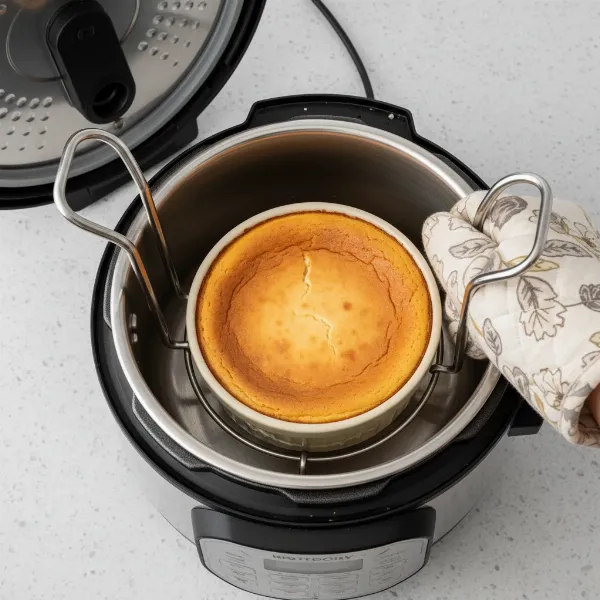 A person safely lifting a hot bowl of food from a pressure cooker using a trivet with robust handles.
Reputable Brands and Warranty
Opt for brands known for quality kitchen accessories. Check for warranties that cover manufacturing defects, providing peace of mind for your investment.
Master the Art: Using Your Pressure Cooker Trivet Safely and Effectively
Using a steam rack trivet is straightforward, but a few key steps ensure optimal results and safety.
Preparation Before You Cook
- Add Liquid: Always pour the minimum required amount of liquid (typically 1-1.5 cups for most electric pressure cookers like the Instant Pot) into the inner pot. This liquid is essential for generating the steam needed to build pressure and cook your food, and it prevents the “burn” error.
- Place the Trivet: Carefully place the trivet into the inner pot, ensuring its feet are down and, if it has handles, they are positioned upright along the sides of the pot.
- Load Your Food: Place your food directly onto the trivet. For smaller items like eggs or vegetables, you can use a steamer basket on top of the trivet. For pot-in-pot (PIP) dishes, place your heat-proof container on the trivet.
Adjusting Pressure and Cooking Time
Follow your recipe’s instructions for pressure level and cooking duration. The trivet does not alter these settings, but it ensures your food is cooked precisely by steam.
Safe Pressure Release
Once cooking is complete, always follow the recommended pressure release method (natural release or quick release) as specified in your recipe. Never attempt to open the lid until the pressure has fully dissipated.
Cleaning and Storage
After use, allow the trivet to cool. Most stainless steel trivets are dishwasher safe. For silicone trivets, handwashing with warm, soapy water is usually sufficient. Ensure it’s completely dry before storing to prevent water spots or mildew.
Delicious Dishes Made Easy with Your Pressure Cooker Trivet
The versatility of the steam rack trivet opens up a world of culinary possibilities.
Hearty Stews and Tender Meats
While stews are often cooked directly in liquid, a trivet can elevate large cuts of meat like roasts or whole chickens, allowing them to steam to perfection while infusing the cooking liquid below with their rich flavors. This method ensures incredibly tender results without the meat becoming submerged and potentially overcooked.
Soups and Broths
For clear broths or delicate soups where you want to maintain ingredient integrity, the trivet allows you to steam aromatics or smaller components in a separate container (Pot-in-Pot) while the main broth simmers below, preventing over-mushing.
Perfectly Cooked Grains
Use the pot-in-pot method with your trivet to cook fluffy rice or quinoa. Place the grains and water in a separate heat-proof bowl on the trivet, ensuring perfect texture without sticking to the bottom of the main pot.
Steamed Vegetables
From crisp-tender broccoli to perfectly soft potatoes, steaming vegetables on a trivet preserves their vibrant color, texture, and nutrients. This method is incredibly fast and healthy.
Delicious Desserts
Cheesecakes, puddings, and even some breads can be beautifully steamed on a trivet using the pot-in-pot method. The gentle, moist heat creates a perfectly creamy texture for cheesecakes and ensures even cooking for other baked goods.
Common Issues and Quick Fixes When Using a Pressure Cooker Trivet
Even with a reliable trivet, you might encounter minor hiccups. Here are some common issues and how to troubleshoot them:
“Burn” Error
This error message, common in electric pressure cookers, typically means there isn’t enough liquid in the pot or food is directly touching the heating element. Fix: Always ensure you add the minimum required liquid underneath the trivet. The trivet’s main job is to keep food off the bottom, so if you’re getting a burn notice, double-check your liquid levels.
Food Sticking to the Trivet
While less common with quality trivets, sticky foods can sometimes adhere. Fix: Lightly grease your trivet with cooking spray or oil before placing food on it. For very delicate items, consider placing them in a parchment-lined container on the trivet.
Food Falling Through the Gaps
If you’re steaming small vegetables or delicate items directly on the trivet, they might slip through the gaps. Fix: Use a dedicated steamer basket, a heat-proof plate, or wrap smaller items in parchment paper or foil before placing them on the trivet.
Difficulty Removing Hot Food
Even with handles, lifting hot and heavy containers can be challenging. Fix: Invest in good oven mitts or silicone trivet lifters. Always ensure the handles are fully upright and secure before attempting to lift. Allow a moment for the steam to dissipate after pressure release to avoid burns.
Conclusion
The pressure cooker steam rack trivet, often overlooked, is a truly transformative accessory. It empowers you to steam, bake, and prepare multi-layered meals with unparalleled efficiency, preserving nutrients and enhancing flavors. From preventing burn notices to delivering perfectly steamed vegetables and decadent cheesecakes, its benefits are undeniable. By understanding its purpose, choosing the right type, and following simple usage guidelines, you can elevate your pressure cooking skills to new heights. So, are you ready to unlock the full potential of your pressure cooker with this indispensable kitchen companion? The culinary adventures await!
Frequently Asked Questions
What is the primary purpose of a pressure cooker trivet?
The primary purpose of a pressure cooker trivet is to elevate food above the cooking liquid in the inner pot. This allows steam to circulate, enabling steaming and pot-in-pot cooking, preventing food from getting soggy, sticking to the bottom, and promoting even cooking.
How much water should I add when using a trivet in my pressure cooker?
You should always add the minimum required amount of liquid, typically 1 to 1.5 cups (250-375ml) of water or broth, to the inner pot below the trivet. This liquid is crucial for generating the steam needed to build pressure and cook your food safely and effectively.
Can I stack multiple layers of food on a trivet?
Yes, you can often stack multiple layers of food or containers on a trivet, especially if you have a multi-tier trivet or use the pot-in-pot method with stackable heat-proof bowls. This technique is excellent for cooking different foods simultaneously.
What is the difference between a trivet and a steamer basket?
A trivet is a flat or slightly raised rack that elevates food or containers. A steamer basket, on the other hand, is designed with perforated sides and a base to hold smaller, loose items directly for steaming, and it usually sits on a trivet or has its own legs.