Stepping into the world of pressure cooking opens up a realm of culinary possibilities, from fork-tender roasts in minutes to perfectly cooked grains. This kitchen workhorse significantly cuts down cooking time, locks in nutrients, and delivers intense flavors. But with its power comes the responsibility of ensuring safe operation. As an admin for pressurecookerguides.com and a technician with over a decade of experience, I’ve seen countless pressure cookers, from basic stovetop models to advanced electric units. My goal is to equip you with the knowledge to not only choose the right cooker but also to use and maintain it safely, making it a reliable partner in your kitchen. One of the most critical, yet often overlooked, safety components is the overpressure plug. Understanding its function, knowing how to inspect it, and replacing it when necessary are fundamental skills for any pressure cooker owner.
Pressure Cooker Basics: Understanding This Kitchen Essential
A pressure cooker is a sealed pot that cooks food at a higher temperature than traditional methods by trapping steam, which increases the internal pressure. This elevated pressure raises the boiling point of water, allowing food to cook much faster while preserving moisture, flavor, and nutrients. It’s a game-changer for busy households and anyone looking to create delicious, healthy meals efficiently.
The Journey of Pressure Cooking: From Past to Present
The concept of cooking with pressure dates back to the 17th century, when French physicist Denis Papin invented the “steam digester.” This early ancestor of the modern pressure cooker was a simple, yet revolutionary, device for softening bones and cooking food quickly.
Early Innovations to Modern Marvels
|
Our Picks for the Best Pressure cooker in 2026
As an Amazon Associate I earn from qualifying purchases.
|
||
| Num | Product | Action |
|---|---|---|
| 1 | Our Place Dream Cooker - 6 Qt Ceramic Nonstick Multicooker & Pressure Cooker with Touchscreen Controls & Auto Steam Release - 4 Modes: Pressure Cook, Sauté/Sear, Slow Cook & Warm - Spice |

|
| 2 | CHEF iQ Smart Pressure Cooker with WiFi and Built-in Scale - Easy-to-Use 10-in-1 Multicooker with 500+ Guided Recipes - Rice Cooker, Slow Cooker, Instant Meals for Foodies - 6 Quart - Family Size |
|
| 3 | COMFEE' 9-in-1 Electric Pressure Cooker, 14 Presets Instant Multi Cooker Olla de Presion Non-Stick Pot Yogurt Maker Rice Cooker Slow Cooker Sauté Steamer 6 Quarts Black |
|
| 4 | Instant Pot Duo 7-in-1 Electric Pressure Cooker, Slow Cooker, Rice Cooker, Steamer, Sauté, Yogurt Maker, Warmer & Sterilizer, Includes App with Over 800 Recipes, Stainless Steel, 8 Quart |
|
| 5 | Instant Pot Duo 7-in-1 Mini Electric Pressure Cooker, Slow Rice Cooker, Steamer, Sauté, Yogurt Maker, Warmer & Sterilizer, Includes Free App with over 1900 Recipes, Stainless Steel, 3 Quart |
|
| 6 | Instant Pot Duo 7-in-1 Electric Pressure Cooker, Slow Cooker, Rice, Steamer, Sauté, Yogurt Maker, Warmer & Sterilizer, Includes App With Over 800 Recipes, Stainless Steel, 6 Quart |
|
| 7 | Our Place Dream Cooker - 6 Qt Ceramic Nonstick Multicooker & Pressure Cooker with Touchscreen Controls & Auto Steam Release - 4 Modes: Pressure Cook, Sauté/Sear, Slow Cook & Warm - Blue Salt |
|
| 8 | COSORI Pressure Cooker 6QT, Stainless Steel, 9-in-1 Multi Cooker, 12 Safety Features, Ceramic Inner Pot, Rice, Slow Cook, Sous Vide, Saute, 1100W |
|
| 9 | Stove Top 304 Stainless Steel Pressure Cooker, One-hand Easy Handle Lid, 3 PSI Setting, 6 Safety Systems, Dishwasher Safe, Olla de Presion, Works for All Cooktops (8.5 QT) |
|
| 10 | Our Place Dream Cooker - 6 Qt Ceramic Nonstick Multicooker & Pressure Cooker with Touchscreen Controls & Auto Steam Release - 4 Modes: Pressure Cook, Sauté/Sear, Slow Cook & Warm - Steam |
|
Early pressure cookers were often bulky and sometimes viewed with apprehension due to safety concerns. They were primarily used for canning and cooking tough cuts of meat. However, continuous innovation has transformed them into sleek, user-friendly appliances. Modern pressure cookers, particularly electric models, are equipped with multiple redundant safety features, making them far safer and more accessible than their predecessors.
Key Developments and Milestones
Significant advancements include the introduction of spring-valve regulators in the mid-20th century, which allowed for more precise pressure control, and the widespread adoption of robust locking mechanisms. The advent of electric pressure cookers in the 21st century marked a new era, integrating smart technology, programmable settings, and a multitude of internal safety systems, further simplifying the cooking process and enhancing user confidence.
Exploring Types of Pressure Cookers
Today’s market offers a diverse range of pressure cookers, primarily categorized into stovetop and electric models, each with distinct characteristics.
Traditional Stovetop Models
Stovetop pressure cookers are designed for use on gas, electric, ceramic, or induction cooktops. They are typically made from stainless steel or aluminum and come with a weight-modified or spring-valve pressure regulator. These cookers are known for their durability and the ability to reach higher pressures, often offering more precise control over the cooking process for experienced users. They are also generally more affordable and don’t rely on electricity.
Advanced Electric Pressure Cookers
Electric pressure cookers, such as the popular Instant Pot, are all-in-one appliances that plug into an outlet. They feature integrated heating elements, microprocessors, and often boast multiple cooking functions beyond just pressure cooking, including slow cooking, sautéing, steaming, and even yogurt making. Their appeal lies in their convenience, consistency, and the array of built-in safety features that automate much of the cooking process.
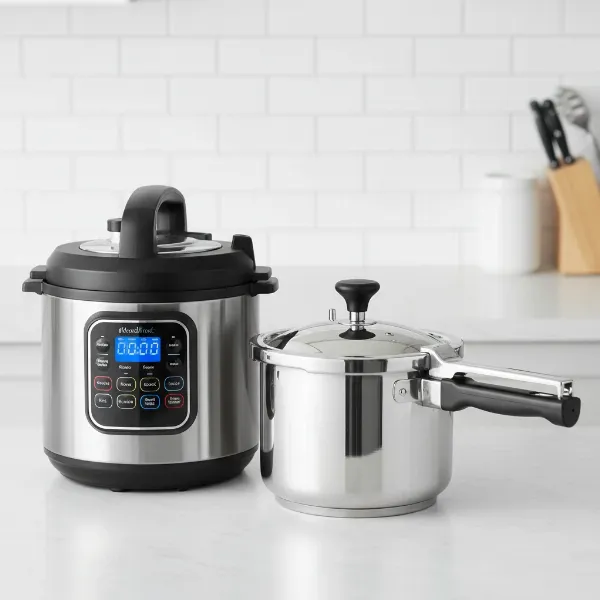 An advanced electric pressure cooker side-by-side with a traditional stovetop model, showcasing modern kitchen appliances.
Key Differences and Performance Insights
- Heat Source: Stovetop models require an external heat source, while electric models have an internal one.
- Pressure Control: Stovetop models often require manual heat adjustment to maintain pressure, whereas electric models automatically regulate pressure.
- Versatility: Electric models typically offer more pre-programmed settings and multi-functionality.
- Portability: Electric pressure cookers are more portable as long as an electrical outlet is available.
- Safety Features: Both types feature multiple safety mechanisms, though electric models often have more automated electronic safeguards.
Pressure Cooking vs. Conventional Methods: A Performance Review
The advantages of pressure cooking extend beyond mere speed, impacting nutrition and energy consumption as well.
Unmatched Speed
Pressure cooking dramatically reduces cooking times. For instance, dried beans that typically take hours to simmer can be ready in under 30 minutes, and tough cuts of meat become tender in a fraction of the time. This efficiency is a major benefit for busy individuals and families.
Nutrient Preservation
Because food cooks quickly in a sealed, oxygen-deprived environment, more heat-sensitive vitamins and minerals are retained compared to traditional boiling or steaming, where nutrients can leach into water or degrade with longer exposure to air and heat.
Energy Efficiency
By trapping steam and cooking faster, pressure cookers use significantly less energy than conventional stovetop or oven methods. This not only saves money on utility bills but also contributes to a more sustainable kitchen.
Top Pressure Cooker Models: A Comparative Overview
Choosing the “best” pressure cooker depends on individual needs, but here’s a general comparison of types and features you’ll find on the market.
| Feature | Stovetop Pressure Cookers | Electric Pressure Cookers |
|---|---|---|
| Control | Manual heat adjustment for pressure | Automatic pressure regulation, pre-set programs |
| Pressure Levels | Often reach higher pressures (15 PSI typical) | Usually 10-12 PSI, some offer higher options |
| Versatility | Primarily pressure cooking | Multi-functional (slow cook, sauté, steam, yogurt, etc.) |
| Power Source | External (gas, electric, induction cooktop) | Internal heating element (plugs into outlet) |
| Portability | Less portable (requires cooktop) | More portable (just needs an outlet) |
| Safety Features | Weight-modified or spring valve, lid lock, overpressure plug | Multiple sensors, automatic shut-off, lid lock, overpressure plug |
| Maintenance | Gasket, valve, plug checks | Gasket, valve, plug checks, digital component care |
| Typical Capacity | 4-22 quarts | 3-8 quarts (most common) |
Your Comprehensive Buying Guide to Pressure Cookers
Selecting the ideal pressure cooker involves considering several factors to match your cooking style and household needs.
Assessing Your Culinary Needs
First, consider how many people you typically cook for. A smaller 3-4 quart model might suffice for singles or couples, while families often benefit from 6-8 quart capacities. If you plan on canning, you’ll need a larger, specialized pressure canner, usually 16 quarts or more. Also, think about the types of dishes you’ll prepare. For complex recipes with various settings, an electric model might be more suitable.
Sizing Up Your Options: Capacity Explained
- 3-4 Quart: Ideal for 1-2 people or small side dishes.
- 6-8 Quart: The most common size, perfect for families of 3-6, handles most everyday meals.
- 10+ Quart: Best for large families, batch cooking, or pressure canning.
Material Matters: Stainless Steel, Aluminum, and Cast Iron
- Stainless Steel: Durable, non-reactive, easy to clean, and compatible with induction cooktops. Often more expensive but built to last.
- Aluminum: Excellent heat conductor, lighter, and more affordable. Can be reactive with acidic foods and may stain.
- Cast Iron: Known for exceptional heat retention and durability, though very heavy and requires careful seasoning and maintenance. Less common for pressure cookers.
Non-Negotiable Safety Features
Modern pressure cookers are packed with safety features. Look for a secure lid locking mechanism that prevents opening under pressure, an anti-blockage vent to keep food particles from clogging the steam release, and at least one secondary pressure release valve or overpressure plug, which is your last line of defense against excessive pressure.
Brand Reputation and After-Sales Support
Invest in a reputable brand known for quality and safety, such as Instant Pot, Presto, Cuisinart, or All-American. Check their warranty policies and ensure replacement parts are readily available, as components like gaskets and overpressure plugs will need replacing over time.
Maintaining Safety: How to Check and Replace Your Pressure Cooker’s Overpressure Plug
The overpressure plug, sometimes referred to as a safety valve or fusible plug, is a small but incredibly vital component in your pressure cooker’s safety system. It’s designed to be the ultimate fail-safe, preventing dangerous pressure buildup by releasing steam if other mechanisms fail.
What is the Overpressure Plug and Why is it Crucial?
The overpressure plug is typically a small rubber or neoprene component, or a metallic valve with a fusible alloy, usually located on the lid of your pressure cooker. Its primary function is to act as a last resort: if the main pressure release valve or vent pipe becomes clogged and the internal pressure exceeds a safe limit, this plug is designed to “blow out” or melt, releasing the excess pressure and preventing a potential explosion. Without a functional overpressure plug, your pressure cooker lacks a critical layer of protection, making regular inspection and timely replacement absolutely crucial for safe operation.
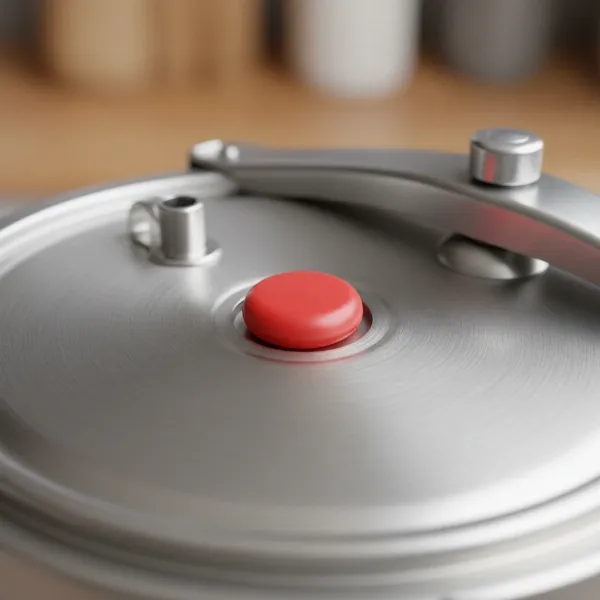 Close-up of a pressure cooker's overpressure safety plug, highlighting its critical role in preventing excessive pressure.
Performing a Regular Safety Check on Your Overpressure Plug
Regular inspection of your overpressure plug is essential to ensure its continued reliability.
- Visual Inspection: Before each use, visually inspect the plug. For rubber plugs, look for any signs of hardening, cracking, discoloration, or tears. It should be flexible and fit snugly. For metallic safety valves with a fusible alloy, ensure the alloy is intact and not melted or corroded.
- Cleanliness: Ensure the area around the plug is clean and free from any food debris that could obstruct its function. Some plugs have small holes that should be clear. You should be able to see through them if applicable.
- Flexibility (for rubber plugs): Gently press the rubber plug. It should feel pliable and return to its original shape. If it feels stiff, brittle, or doesn’t spring back, it’s a sign of wear.
- Manufacturer’s Guidelines: Always consult your pressure cooker’s user manual for specific inspection instructions and recommendations regarding your model.
When and How to Replace a Faulty Overpressure Plug
The frequency of replacement depends on usage and material. Some manufacturers recommend replacing rubber overpressure plugs annually or every 12 months, or as soon as any signs of wear are observed. Other sources suggest replacing them every three years if you use your pressure cooker frequently. If the plug has ever “blown out” during operation, it must be replaced immediately and should never be reused. A blown plug indicates it successfully performed its safety function, but it is now compromised.
General Replacement Steps:
- Ensure Cooker is Cold and Depressurized: Never attempt to replace the plug on a hot or pressurized cooker.
- Identify the Plug Type: Determine if your plug is a simple push-in rubber stopper or a more complex screw-in safety valve with a fusible link.
- Acquire the Correct Replacement Part: This is paramount. Overpressure plugs are specific to cooker models and brands. Always refer to your user manual or the manufacturer’s website for the exact part number. Using an incorrect part can compromise safety.
- Removal:
- For Rubber Plugs: Gently push the old plug out from the inside of the lid. If it’s stubborn, you might need a small, blunt tool to apply pressure from the inner side.
- For Screw-in Valves: You may need a pair of pliers, a wrench, or a flat-blade screwdriver to loosen the hex nut from the inside of the lid. Hold the outer part of the valve steady while unscrewing the nut.
- Installation:
- For Rubber Plugs: Align the new rubber plug with the opening in the lid and firmly push it into place from the outside until it sits snugly and creates a tight seal.
- For Screw-in Valves: Insert the new valve from the outside of the lid, ensuring any gasket or washer is correctly positioned. From the inside, screw on the hex nut by hand, then gently tighten it with pliers or a wrench. Do not overtighten, as the sealing ring helps maintain the seal.
- Discard Old Part: Always discard the old, worn, or blown plug.
Essential Safety Tips for Pressure Cooker Usage
Beyond the overpressure plug, adhere to these fundamental safety practices:
- Read the Manual: Always familiarize yourself with your specific pressure cooker model’s instructions.
- Never Overfill: Do not fill beyond 2/3 capacity for most foods, and only 1/2 capacity for foods that expand (like rice or beans).
- Use Enough Liquid: Always add the minimum amount of liquid specified in your manual to generate steam.
- Clean Regularly: Ensure the main vent pipe, gasket, and all valves are clean and free of blockages after every use.
- Proper Lid Sealing: Make sure the lid is correctly locked and sealed before heating.
- Safe Pressure Release: Follow recommended methods for releasing pressure (natural, quick, or cold water release) and never attempt to force open a pressurized lid.
“A well-maintained pressure cooker is a safe pressure cooker. Regularly checking your safety components, especially the overpressure plug, is not just a recommendation—it’s a non-negotiable step for peace of mind in the kitchen.”
Culinary Delights: Easy Recipes for Your Pressure Cooker
Pressure cookers excel at transforming everyday ingredients into extraordinary meals with surprising speed.
Hearty Stews and Braises
From beef bourguignon to lamb tagine, pressure cookers tenderize tough cuts of meat in record time, infusing them with rich flavors. The high-pressure environment ensures that even inexpensive cuts become melt-in-your-mouth delicious.
Flavorful Soups
Whip up nourishing chicken noodle soup, creamy tomato soup, or robust minestrone in a fraction of the time. The pressure cooker extracts maximum flavor from ingredients, yielding deeply savory broths.
Perfect Grains and Porridges
Achieve perfectly cooked rice, quinoa, steel-cut oats, and various grains without constant monitoring. Risotto becomes a hands-off affair, and porridges cook up creamy and consistent every time.
Quick and Delicious One-Pot Meals
Think chili, pasta dishes, or even entire chicken and potato dinners cooked in one pot. The pressure cooker streamlines cleanup and makes weeknight cooking a breeze.
Troubleshooting Common Pressure Cooker Problems
Even with proper maintenance, you might encounter minor issues. Here are some common problems and their solutions:
- Steam Leaking from Lid: Check if the sealing ring (gasket) is properly seated, clean, and free of cracks. Ensure the lid is correctly closed and locked. The gasket needs regular replacement, typically every 1-2 years.
- Food Burning (Electric Models): This often occurs due to insufficient liquid, food stuck to the bottom, or a faulty sensor. Add enough liquid, deglaze the pot, and ensure vent is clear.
- Pressure Not Building: The most common culprits are a damaged or improperly installed sealing ring, an open or blocked steam release valve, or a faulty overpressure plug. Double-check all components and their seating.
- Lid Won’t Open: Never force the lid. Ensure all pressure has been released. If the pressure indicator is still up, cool the cooker under cold water (for stovetop models) or wait longer for natural release.
- Overpressure Plug Blows: If this happens, it means the plug did its job. Immediately turn off the heat, allow the cooker to cool completely, and replace the overpressure plug before further use.
Conclusion
The pressure cooker is an indispensable kitchen tool, offering speed, efficiency, and delicious results. However, its powerful capabilities demand a commitment to safety and regular maintenance. Understanding the critical role of the overpressure plug, knowing how to inspect it for wear, and confidently replacing it when necessary are fundamental aspects of responsible pressure cooking. By adhering to these guidelines and always putting safety first, you ensure your pressure cooker remains a trusted, efficient, and secure companion in your culinary adventures.
Are you ready to embrace the full potential of your pressure cooker with complete confidence?
Frequently Asked Questions
How often should I replace my pressure cooker’s rubber gasket?
It is generally recommended to replace your pressure cooker’s rubber gasket annually or every 12-18 months, or sooner if you notice any signs of wear, cracks, or brittleness. Regular replacement ensures a tight seal and safe pressure cooking.
Can I use my pressure cooker if the overpressure plug is missing?
Absolutely not. The overpressure plug is a crucial safety mechanism designed to release dangerously high pressure. Using a pressure cooker without a properly installed and functional overpressure plug poses a severe safety risk and should be avoided at all costs.
What causes an overpressure plug to blow out?
An overpressure plug blows out when the internal pressure within the cooker exceeds safe limits, usually because the main vent or pressure release valve is clogged with food particles, or has failed to operate correctly. It’s a critical safety feature preventing potential explosions.
Are overpressure plugs universal across all pressure cooker brands?
No, overpressure plugs are not universal. They are specific to the brand, model, and often even the manufacturing year of your pressure cooker. Always consult your appliance’s manual or the manufacturer’s website to purchase the exact replacement part for your model.
How do I know if my overpressure plug needs replacement?
Inspect the plug regularly for visible signs of wear such as cracks, hardening, discoloration, or tears (for rubber plugs). For metallic safety valves, ensure the fusible alloy is intact. If the plug has ever blown out, it must be replaced immediately, regardless of its apparent condition.