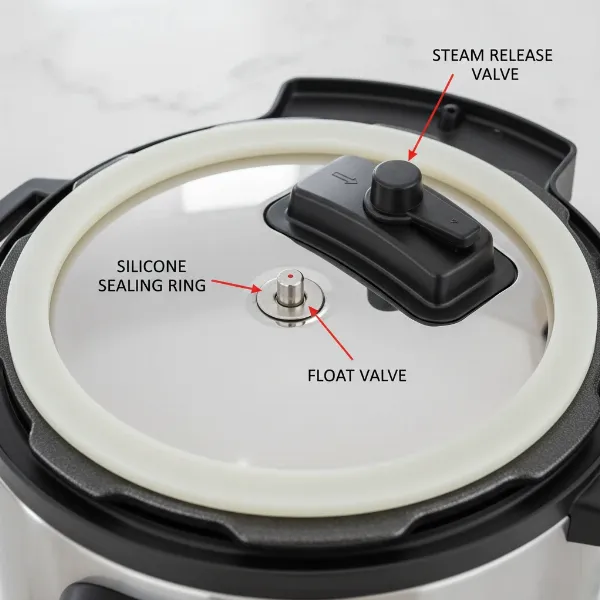
Few things are as frustrating in the kitchen as a pressure cooker that refuses to build pressure, its precious steam hissing out from where it shouldn’t. Beyond mere inconvenience, a compromised seal can lead to undercooked food, extended cooking times, and, more importantly, potential safety risks. Understanding the root cause of these leaks is the first step toward reclaiming your pressure cooker’s efficiency and ensuring safe operation. This comprehensive guide will help you diagnose why your pressure cooker is leaking steam and provide actionable steps to resolve the issue, getting you back to quick, perfectly cooked meals.
The Heart of the Problem: Understanding Steam Leaks
Pressure cookers revolutionize cooking by sealing food and liquid inside a pot, allowing steam to build up and create a high-pressure environment. This elevated pressure raises the boiling point of water, enabling food to cook significantly faster and often more efficiently. When steam escapes from anywhere other than the designated pressure release valve during the cooking cycle, it indicates a breach in this critical sealed system. This loss of steam prevents the internal pressure from reaching its optimal level, leading to the problems mentioned above. Not all steam is bad, though; distinguishing between normal operational venting and an uncontrolled leak is crucial for effective troubleshooting.
Common Culprits: Why Your Pressure Cooker Loses Its Seal
Identifying the exact source of a steam leak can feel like detective work, but most issues stem from a few common components. Let’s break down the usual suspects.
The Sealing Ring (Gasket) — Your First Suspect
The sealing ring, or gasket, is a flexible silicone or rubber ring that fits inside the lid. It forms the primary seal between the lid and the pot, making it the most frequent cause of steam leaks.
- Worn or Damaged: Over time and with repeated use, gaskets can degrade. Look for visible cracks, tears, brittleness, stiffness, or deformities. A gasket that has lost its elasticity won’t create a tight seal.
- Dirty: Even a small amount of food debris, grease, or starch residue can prevent the gasket from sealing flush against the pot rim. This often results in a persistent hiss from around the lid.
- Misaligned or Improperly Seated: The gasket must sit perfectly in its groove within the lid. If it’s twisted, stretched, or not fully seated, steam will inevitably escape.
|
Our Picks for the Best Pressure cooker in 2026
As an Amazon Associate I earn from qualifying purchases.
|
||
| Num | Product | Action |
|---|---|---|
| 1 | COSORI Pressure Cooker 6QT, Stainless Steel, 9-in-1 Multi Cooker, 12 Safety Features, Ceramic Inner Pot, Rice, Slow Cook, Sous Vide, Saute, 1100W |

|
| 2 | Instant Pot Duo 7-in-1 Mini Electric Pressure Cooker, Slow Rice Cooker, Steamer, Sauté, Yogurt Maker, Warmer & Sterilizer, Includes Free App with over 1900 Recipes, Stainless Steel, 3 Quart |
|
| 3 | Our Place Dream Cooker - 6 Qt Ceramic Nonstick Multicooker & Pressure Cooker with Touchscreen Controls & Auto Steam Release - 4 Modes: Pressure Cook, Sauté/Sear, Slow Cook & Warm - Blue Salt |
|
| 4 | Stove Top 304 Stainless Steel Pressure Cooker, One-hand Easy Handle Lid, 3 PSI Setting, 6 Safety Systems, Dishwasher Safe, Olla de Presion, Works for All Cooktops (8.5 QT) |
|
| 5 | Instant Pot Duo 7-in-1 Electric Pressure Cooker, Slow Cooker, Rice, Steamer, Sauté, Yogurt Maker, Warmer & Sterilizer, Includes App With Over 800 Recipes, Stainless Steel, 6 Quart |
|
| 6 | Our Place Dream Cooker - 6 Qt Ceramic Nonstick Multicooker & Pressure Cooker with Touchscreen Controls & Auto Steam Release - 4 Modes: Pressure Cook, Sauté/Sear, Slow Cook & Warm - Spice |
|
| 7 | Our Place Dream Cooker - 6 Qt Ceramic Nonstick Multicooker & Pressure Cooker with Touchscreen Controls & Auto Steam Release - 4 Modes: Pressure Cook, Sauté/Sear, Slow Cook & Warm - Steam |
|
| 8 | COMFEE' 9-in-1 Electric Pressure Cooker, 14 Presets Instant Multi Cooker Olla de Presion Non-Stick Pot Yogurt Maker Rice Cooker Slow Cooker Sauté Steamer 6 Quarts Black |
|
| 9 | CHEF iQ Smart Pressure Cooker with WiFi and Built-in Scale - Easy-to-Use 10-in-1 Multicooker with 500+ Guided Recipes - Rice Cooker, Slow Cooker, Instant Meals for Foodies - 6 Quart - Family Size |
|
| 10 | Instant Pot Duo 7-in-1 Electric Pressure Cooker, Slow Cooker, Rice Cooker, Steamer, Sauté, Yogurt Maker, Warmer & Sterilizer, Includes App with Over 800 Recipes, Stainless Steel, 8 Quart |
|
Fixes: Always remove the gasket after each use for thorough cleaning with warm, soapy water. Inspect it for any signs of wear. If damaged, replace it immediately with a manufacturer-approved part, typically every 12-18 months, depending on usage. When reinserting, ensure it is evenly and snugly seated in its groove.
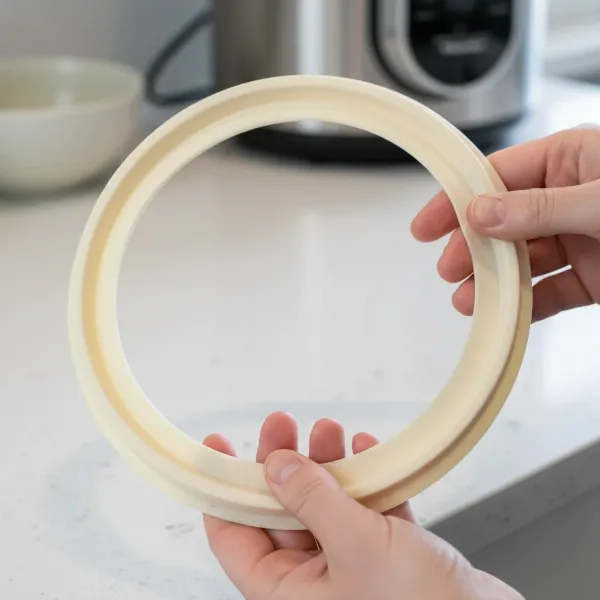 Close-up of a pressure cooker sealing ring being inspected for wear and tear before use.
The Pressure Release Valve and Vent Pipe — A Critical Component
The pressure release valve (also known as the steam release valve, regulator, or jiggle top) and the vent pipe are vital for regulating pressure. Leaks from this area are common and can sometimes be mistaken for normal operation.
- Clogged Vent Pipe/Valve: Food particles, especially from starchy or thick liquids, can clog the vent pipe or the valve mechanism, preventing it from seating properly. This blockage can hinder pressure buildup or cause steam to escape.
- Improperly Seated/Damaged Valve: For weighted valves, the weight might not be sitting correctly on the vent pipe. Modern valves, particularly in electric pressure cookers, rely on gravity and steam force to seat. If the valve is slightly misaligned, has residue underneath, or is worn/warped, it won’t seal completely, allowing continuous steam to escape. The anti-block shield, a small metal cage beneath the pressure valve, can also become clogged, impacting sealing.
- Steam Release Switch (Electric Models): A common oversight in electric pressure cookers (like Instant Pots) is having the steam release switch accidentally set to ‘Vent’ instead of ‘Seal’ before cooking.
- Float Valve Issues (Electric Models): The float valve is a small pin that rises when pressure builds. If it’s dirty, sticky, or stuck in the down position, it can leak steam or prevent the pot from pressurizing.
Fixes: Regularly disassemble and clean all valve components. Use a small brush or pin to clear any debris from the vent pipe and valve openings. For electric models, always double-check that the steam release switch is set to ‘Seal’. Ensure the valve components move freely and seat without resistance. If parts are visibly warped or damaged, replacement is necessary.
The Lid and Pot — Structural Integrity
Sometimes, the issue isn’t with a removable component but with the cooker’s structure itself.
- Improperly Locked Lid: The lid must be fully closed and locked into position for the pressure cooker to seal. If it’s not aligned correctly, it won’t seal, and steam will escape from around the edges.
- Warped or Dented Lid/Pot Rim: Physical damage, such as dents on the pot’s rim or a warped lid, can create gaps that the sealing ring cannot bridge, leading to leaks. Even a bent wire ring within the lid can cause issues.
- Loose Handles/Screws: On some models, loose screws connecting handles to the lid can subtly interfere with the lid’s ability to create a uniform seal.
Fixes: Always ensure the lid is properly aligned and locked. Inspect the pot’s rim and the lid for any signs of damage. If you find significant warping or dents, it might be time to replace the unit for safety reasons. Tighten any loose screws on the handles, being careful not to overtighten and strip them.
User Error and Cooking Habits — Beyond the Hardware
Sometimes, the problem isn’t with the cooker but with how it’s being used or what’s being cooked inside.
- Overfilling: Every pressure cooker has a maximum fill line. Exceeding this, especially with liquid, leaves insufficient headspace for pressure to build safely and can force steam out.
- Foaming Foods: Starchy ingredients like beans, lentils, pasta, or oatmeal can produce a lot of foam as they boil. This foam can rise and interfere directly with the pressure valve or clog the anti-block shield, mimicking a leak.
- Insufficient Liquid: A pressure cooker needs a minimum amount of liquid (usually at least 1 cup for most models) to generate steam and build pressure. Without enough liquid, pressure won’t be achieved, and the pot might struggle to seal, or even activate burn warnings.
Fixes: Always respect the maximum fill lines. When cooking foaming foods, you can add a small amount of oil to the pot to help reduce foam production. Reduce the fill level for these ingredients and ensure there’s always adequate liquid in the pot as per your recipe or manufacturer instructions.
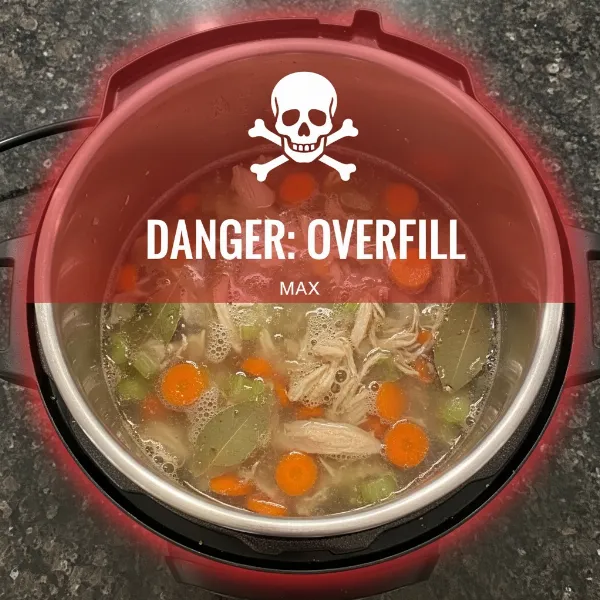 A pressure cooker showing the maximum fill line, demonstrating correct and incorrect liquid levels.
Step-by-Step Troubleshooting Guide
When your pressure cooker starts leaking steam, follow these steps methodically to pinpoint and fix the issue:
- Safety First: Immediately turn off the heat source or unplug your electric pressure cooker. Allow the pressure to release naturally, or use the quick release method if it is safe to do so and recommended for your model. Never attempt to force open a pressurized cooker.
- Identify the Leak Location: Observe carefully where the steam is escaping. Is it from the sides of the lid, the pressure valve, the float valve, or elsewhere? Knowing the location helps narrow down the potential cause.
- Inspect the Sealing Ring: Remove the gasket from the lid. Wash it thoroughly to remove any food residue or grease. Examine it closely for any cracks, tears, brittleness, or deformities. Stretch it gently to check its elasticity. If it shows signs of wear, replace it. Reinsert the gasket ensuring it is clean, flexible, and seated perfectly flat and evenly in its groove.
- Examine the Valves and Vent: For mechanical valves, remove the weight and check the vent pipe for blockages. Use a thin wire or brush to clear any obstructions. For electric pressure cookers, remove the steam release handle and float valve. Clean these components, ensuring they move freely and are free from debris. Verify the steam release switch is in the ‘Seal’ position.
- Check Lid Alignment and Condition: Ensure the lid is clean, free of dents or warps, and locks completely onto the pot. Check the pot’s rim for any damage. For models with handles attached to the lid, check for any loose screws that might affect the seal.
- Review Cooking Habits: Consider if you overfilled the pot, especially with starchy ingredients that might produce excessive foam. Adjust your liquid levels and fill quantities for your next cook.
- Test: Once you’ve performed the checks and potential fixes, add water to your pressure cooker (about 2-3 cups), close it, and run a test cycle. Observe carefully for any steam leaks.
When to Replace Parts or Seek Professional Help
While many pressure cooker leaks are simple to fix, some situations warrant replacement or professional intervention:
- If, after thorough cleaning and repositioning, the leak persists, especially from the lid gasket, it’s a clear sign the gasket needs replacing.
- If any critical valve components (pressure valve, float valve, safety valve) are visibly warped, broken, or extensively damaged, replace them with genuine manufacturer parts. Never try to jury-rig these safety features.
- If the pot itself or the lid shows significant dents, warps, or cracks that prevent a proper seal, it’s safer to replace the entire pressure cooker. Attempting to repair structural damage on a high-pressure appliance can be dangerous.
- Never attempt complex repairs on critical safety components if you are unsure. Consult your manufacturer’s instructions or contact a certified service professional.
Maintaining Your Pressure Cooker to Prevent Leaks
Proactive maintenance can significantly extend the life of your pressure cooker and prevent most steam leak issues.
- Regular Cleaning: Always clean the sealing ring, valves, and vent pipe after every use. Food residue is a primary culprit for seal failures.
- Proper Storage: Store your pressure cooker with the lid inverted or slightly ajar to prevent the sealing ring from compressing over time, which can reduce its lifespan and elasticity.
- Timely Replacement: Gaskets and other rubber/silicone parts are consumables. Replace your sealing ring every 12-18 months, or more frequently with heavy use, even if it looks okay. Keep a spare on hand.
- Manufacturer-Approved Parts: Always use genuine replacement parts from your pressure cooker’s manufacturer. Generic parts may not fit correctly or meet safety standards.
Conclusion
A pressure cooker leaking steam can be a concerning, but often solvable, problem. By systematically checking the sealing ring, pressure valves, lid integrity, and your cooking habits, you can accurately diagnose and fix most issues. Prioritizing safety through diligent cleaning, inspection, and timely replacement of worn parts ensures your pressure cooker remains a reliable and efficient kitchen companion. Embrace these troubleshooting tips, and you’ll continue to enjoy the convenience and delicious results your pressure cooker offers.
What’s your go-to pressure cooker recipe when it’s working perfectly and sealing like a dream?
Frequently Asked Questions
Is it normal for some steam to escape from a pressure cooker?
Yes, some intermittent steam release is normal, especially during the initial preheating phase as air is purged, or in electric models during pressure regulation (short, controlled puffs) to maintain a stable cooking pressure. However, continuous, strong steam leakage after the cooker should be pressurized is not normal and indicates a problem.
How often should I replace my pressure cooker’s sealing ring?
It is generally recommended to replace the sealing ring every 12 to 18 months, or sooner if you notice any signs of wear like cracks, brittleness, stiffness, or if it no longer forms a tight seal. Heavy use or frequent washing can accelerate its degradation.
Can I use my pressure cooker if the gasket is slightly torn?
No, it is strongly advised not to use a pressure cooker with a torn or damaged gasket. Even a small tear can compromise the pressure seal, leading to steam leakage, insufficient pressure buildup, and potential safety hazards as the lid might not stay securely locked.
What if my pressure cooker isn’t building pressure at all?
If your pressure cooker isn’t building any pressure, first ensure the lid is properly locked and the steam release valve is set to “Seal.” Then, check the sealing ring for proper seating and damage, and inspect all valves and vents for clogs or blockages. Also, confirm you have added the minimum required liquid.
How do I clean the small parts of my pressure cooker lid?
To clean small lid parts like the pressure release valve, float valve, and anti-block shield, first, remove them according to your manual. Wash them with warm, soapy water. Use a small brush, toothpick, or thin wire to gently clear any food particles from small openings and crevices. Ensure all parts are thoroughly dry before reassembling.