Stepping into the world of electric pressure cooking, you’ve likely encountered a crucial decision: the material of your inner pot. While many electric pressure cookers come with non-stick inserts, a growing number of home cooks are turning to stainless steel for its robust properties and healthier cooking benefits. As an experienced technician with over a decade in pressure cooker repair and usage, I’ve seen firsthand how the right inner pot can transform your culinary journey, offering durability, efficiency, and peace of mind.
What is a Stainless Steel Inner Pot for an Electric Pressure Cooker?
An inner pot is the removable cooking vessel nestled inside your electric pressure cooker, where all the culinary magic happens. For electric pressure cookers, this component is pivotal, as it directly influences heat distribution, cooking performance, and food safety. A stainless steel inner pot, typically crafted from food-grade stainless steel like 304 (18/8), offers a sturdy, non-reactive surface for a wide array of dishes. Unlike its non-stick counterparts, stainless steel provides a chemical-free cooking environment, making it a favored choice for those prioritizing longevity and health in their kitchen appliances.
Why Choose Stainless Steel for Your Electric Pressure Cooker?
The shift towards stainless steel inner pots isn’t just a trend; it’s a testament to the tangible advantages this material brings to the modern kitchen. From enduring daily wear to enhancing the flavor of your meals, stainless steel offers a compelling package of benefits.
Unrivaled Durability and Longevity
|
Our Picks for the Best Pressure cooker in 2026
As an Amazon Associate I earn from qualifying purchases.
|
||
| Num | Product | Action |
|---|---|---|
| 1 | Instant Pot Duo 7-in-1 Electric Pressure Cooker, Slow Cooker, Rice, Steamer, Sauté, Yogurt Maker, Warmer & Sterilizer, Includes App With Over 800 Recipes, Stainless Steel, 6 Quart |

|
| 2 | CHEF iQ Smart Pressure Cooker with WiFi and Built-in Scale - Easy-to-Use 10-in-1 Multicooker with 500+ Guided Recipes - Rice Cooker, Slow Cooker, Instant Meals for Foodies - 6 Quart - Family Size |
|
| 3 | COMFEE' 9-in-1 Electric Pressure Cooker, 14 Presets Instant Multi Cooker Olla de Presion Non-Stick Pot Yogurt Maker Rice Cooker Slow Cooker Sauté Steamer 6 Quarts Black |
|
| 4 | COSORI Pressure Cooker 6QT, Stainless Steel, 9-in-1 Multi Cooker, 12 Safety Features, Ceramic Inner Pot, Rice, Slow Cook, Sous Vide, Saute, 1100W |
|
| 5 | Our Place Dream Cooker - 6 Qt Ceramic Nonstick Multicooker & Pressure Cooker with Touchscreen Controls & Auto Steam Release - 4 Modes: Pressure Cook, Sauté/Sear, Slow Cook & Warm - Spice |
|
| 6 | Instant Pot Duo 7-in-1 Electric Pressure Cooker, Slow Cooker, Rice Cooker, Steamer, Sauté, Yogurt Maker, Warmer & Sterilizer, Includes App with Over 800 Recipes, Stainless Steel, 8 Quart |
|
| 7 | Our Place Dream Cooker - 6 Qt Ceramic Nonstick Multicooker & Pressure Cooker with Touchscreen Controls & Auto Steam Release - 4 Modes: Pressure Cook, Sauté/Sear, Slow Cook & Warm - Steam |
|
| 8 | Our Place Dream Cooker - 6 Qt Ceramic Nonstick Multicooker & Pressure Cooker with Touchscreen Controls & Auto Steam Release - 4 Modes: Pressure Cook, Sauté/Sear, Slow Cook & Warm - Blue Salt |
|
| 9 | Stove Top 304 Stainless Steel Pressure Cooker, One-hand Easy Handle Lid, 3 PSI Setting, 6 Safety Systems, Dishwasher Safe, Olla de Presion, Works for All Cooktops (8.5 QT) |
|
| 10 | Instant Pot Duo 7-in-1 Mini Electric Pressure Cooker, Slow Rice Cooker, Steamer, Sauté, Yogurt Maker, Warmer & Sterilizer, Includes Free App with over 1900 Recipes, Stainless Steel, 3 Quart |
|
Stainless steel is synonymous with strength and resilience. These inner pots are built to last, resisting corrosion, rust, and stains that can plague lesser materials over time. This inherent durability means your stainless steel pot can withstand frequent use and rigorous cleaning, making it a long-term investment that retains its performance and appearance for years. There’s no delicate coating to scratch or chip, allowing for the use of metal utensils without concern.
Health and Safety Advantages
One of the most significant draws of stainless steel is its non-reactive and non-toxic nature. Unlike non-stick coatings, which can degrade over time and potentially release chemicals when scratched or overheated, stainless steel provides a stable, inert cooking surface. This ensures that no unwanted substances leach into your food, offering a healthier cooking experience for you and your family. For those conscious about chemical exposure, stainless steel is the clear choice.
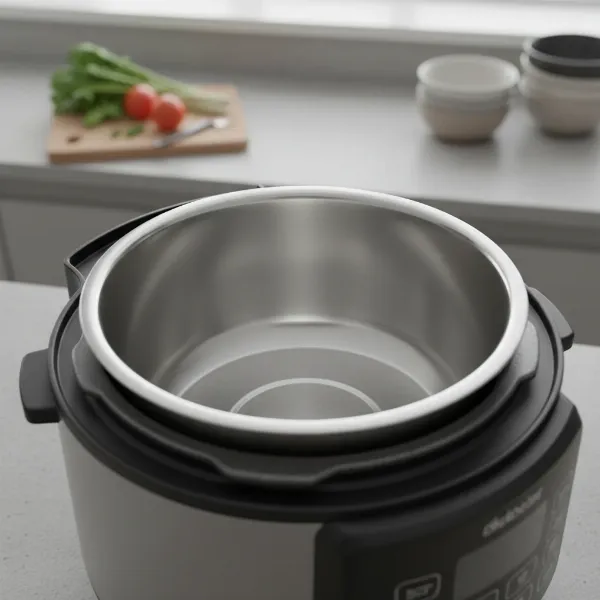 Close-up of a gleaming stainless steel inner pot in an electric pressure cooker, emphasizing its healthy, non-reactive surface.
Superior Cooking Performance
While stainless steel might be perceived as having slower heat conduction on its own, modern inner pots often feature a multi-layered, or “tri-ply,” construction. This design typically involves an aluminum core sandwiched between two layers of stainless steel, enhancing heat distribution. The result is more even cooking, preventing hot spots and ensuring your dishes are consistently and perfectly prepared, whether you’re searing meats or simmering stews. This even heating also contributes to better browning and flavor development, which is crucial for many pressure cooker recipes.
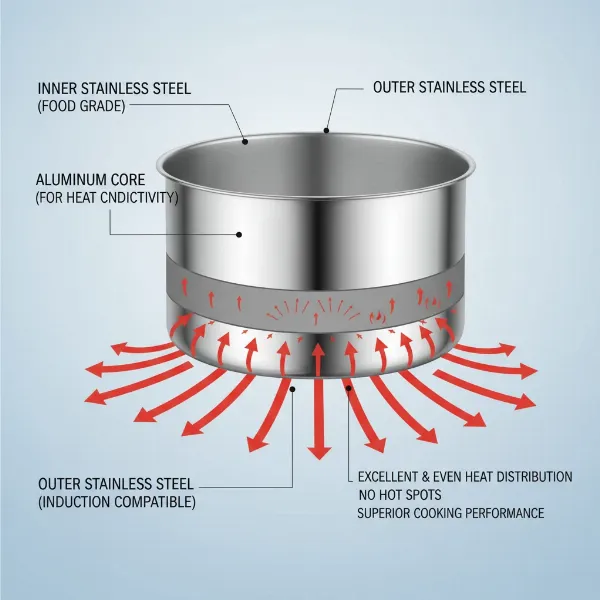 Diagram illustrating the tri-ply construction of a stainless steel inner pot, showing aluminum core for even heat.
Effortless Cleaning and Maintenance
Keeping your stainless steel inner pot pristine is remarkably easy. Its non-porous surface resists staining and food odors, and it’s almost always dishwasher safe. This convenience saves time and effort, making post-cooking cleanup a breeze. Even stubborn, burnt-on food can usually be removed with a good scrub, without fear of damaging a delicate coating.
Stainless Steel vs. Other Inner Pot Materials
The choice of inner pot material often boils down to a personal preference shaped by cooking style and priorities. Understanding the differences between stainless steel and other common options is key to making an informed decision.
Stainless Steel vs. Non-stick: A Direct Comparison
The most common alternative to stainless steel is the non-stick coated inner pot. Non-stick surfaces are celebrated for their ease of food release and minimal oil requirement, making them ideal for delicate foods like eggs or pancakes. Cleanup is often effortless, with food sliding right off.
However, non-stick pots come with significant drawbacks. Their coatings are prone to wear, chipping, and scratching, especially with metal utensils, necessitating replacement over time. There are also ongoing concerns, albeit reduced with the phasing out of PFOA, regarding chemical degradation when exposed to very high temperatures. Furthermore, non-stick surfaces don’t facilitate the rich searing and browning that stainless steel excels at, which is vital for building deep flavors in many dishes.
Why Many Choose Stainless Steel Over Other Materials
Many professional chefs and home cooks gravitate towards stainless steel for its versatility, durability, and the quality of cooking it enables. While non-stick has its place for specific tasks, stainless steel is the workhorse of the kitchen, capable of high-heat searing, pressure cooking, slow cooking, and more, all without the worry of damaging a coating or introducing unwanted chemicals. Its robust nature means it can handle the demands of everyday cooking and rigorous cleaning, offering a long-term, reliable solution.
How to Select the Best Stainless Steel Inner Pot
Choosing the ideal stainless steel inner pot for your electric pressure cooker involves several considerations to ensure it meets your specific needs and seamlessly integrates with your appliance.
Understanding Material Grade and Construction
The quality of stainless steel matters. Look for pots made from premium food-grade 304 (18/8) stainless steel, which indicates a composition of 18% chromium and 8% nickel, offering excellent corrosion resistance and durability. The construction of the pot’s base is equally important. While solid stainless steel is robust, a tri-ply or multi-layered (e.g., 5-ply clad) bottom with an aluminum core is highly recommended. This layered construction significantly improves heat conductivity and distribution, preventing food from sticking and burning, especially during sautéing or searing functions.
Ensuring Compatibility with Your Electric Pressure Cooker Model
This is perhaps the most critical factor. Electric pressure cooker inner pots are not universally interchangeable. Always verify that the replacement pot is specifically designed for your electric pressure cooker’s brand and model (e.g., Instant Pot Duo, Pro, Evo Plus) and its exact size. Minor differences in diameter or height can compromise the pressure seal and safety functions. Check product codes, rim profiles, and handle attachment points to ensure a perfect fit.
Choosing the Right Size for Your Needs
Stainless steel inner pots are available in various capacities, typically 3-quart, 6-quart, and 8-quart sizes.
- 3-quart pots are ideal for individuals, couples, or preparing small side dishes.
- 6-quart pots are the most common and versatile, suitable for families of 3-5 people.
- 8-quart pots are excellent for larger families, batch cooking, meal prepping, or entertaining guests. Consider your household size and typical cooking volume before deciding.
Key Features to Look For
Beyond material and size, several features can enhance your cooking experience:
- Flat Bottom: A perfectly flat bottom ensures maximum contact with the heating element for even heat distribution across various cooktops.
- Handles: Some inner pots, like those in the Instant Pot Evo Series, come with silicone easy-grip handles, making it safer and easier to lift and transfer the hot pot.
- Embossed Fill Lines: These provide clear indicators for minimum and maximum liquid levels, which are essential for safe and effective pressure cooking.
- Surface Finish: A brushed interior finish is often preferred over a mirror-like polish as its micro-texture can help prevent food from bonding during cooking, reducing sticking.
Top Recommendations for Stainless Steel Inner Pots
While specific models can vary, the market offers several high-quality stainless steel inner pots that stand out for their construction and features, often from the original manufacturers themselves or reputable third-party accessory makers.
Instant Pot, for example, offers stainless steel inner pots (often 304/18/8 food-grade) for its various series, including the Duo, Pro, and Evo Plus. These are designed to be perfectly compatible and often feature impact-bonded tri-ply bottoms for superior heat distribution. Some advanced models may even include silicone easy-grip handles for enhanced safety and convenience. When considering an inner pot, always prioritize those that match your appliance’s exact model and size, looking for descriptions that highlight multi-ply construction for optimal performance. Focus on robust construction and verified compatibility to ensure both safety and cooking excellence.
Tips for Using Your Stainless Steel Inner Pot Effectively
Maximizing the performance and lifespan of your stainless steel inner pot requires a few simple practices that prevent sticking and ensure proper care.
Preventing Food from Sticking
Unlike non-stick surfaces, stainless steel requires a bit more attention to prevent food from adhering. Always preheat your pot adequately before adding food, and use a sufficient amount of cooking oil or fat. When searing, allow the food to develop a crust before attempting to move it; it will naturally release from the surface when ready. Deglazing the pot after searing with a liquid like broth or wine not only adds flavor but also helps to release any stuck-on bits, making cleanup easier.
Safe Handling and Cooking Practices
Always ensure your inner pot is clean and dry before placing it into the electric pressure cooker base. Observe the embossed fill lines for minimum and maximum capacity to prevent overfilling or underfilling, which can impact safety and cooking results. When the pot is hot, use oven mitts or any integrated handles to avoid burns. After cooking, allow the pressure to release naturally or manually as per your recipe, and always check the float valve before removing the lid.
Cleaning and Care for Maximum Lifespan
The beauty of stainless steel is its ease of care. For daily cleaning, warm soapy water and a soft sponge are usually sufficient. For tougher food residues, a gentle abrasive cleaner designed for stainless steel or a paste of baking soda and water can work wonders. To remove discoloration or rainbow stains (often caused by mineral deposits from water), a splash of vinegar can restore the pot’s luster. While most stainless steel inner pots are dishwasher safe, hand washing can help maintain their shine and prevent potential scratches from other items in the dishwasher.
Common Issues and Troubleshooting with Stainless Steel Inner Pots
Even with the best care, you might encounter minor issues with your stainless steel inner pot.
One common issue is food sticking, especially when sautéing. This can usually be resolved by ensuring the pot is properly preheated and enough oil is used. If food burns to the bottom, don’t panic. Deglaze with liquid, or soak the pot with warm soapy water and a bit of baking soda for a few hours before gently scrubbing. Another occasional concern is rainbow staining or cloudy spots, which are typically harmless mineral deposits. These can be easily removed by wiping the pot with a cloth dampened with white vinegar. If you notice a metallic taste in your food, ensure your pot is thoroughly cleaned and rinsed, as residue from previous cooking or cleaning products could be the culprit. Always check that the pot is correctly seated in the cooker base and that the base itself is free from debris for optimal heating.
In essence, most issues with stainless steel inner pots are easily preventable with good cooking practices and simple cleaning methods, ensuring your pot remains a reliable companion in your kitchen.
Conclusion
Choosing a high-quality stainless steel inner pot for your electric pressure cooker is a decision that pays dividends in durability, health, and cooking performance. Its robust construction, non-reactive surface, and ease of cleaning make it a superior choice for a wide range of culinary applications. While non-stick options offer convenience for certain dishes, stainless steel stands out as the dependable workhorse for everyday cooking and long-term kitchen investment. By understanding the key features, ensuring compatibility, and following simple care guidelines, you can unlock the full potential of your electric pressure cooker and enjoy countless healthy, delicious meals.
Are you ready to elevate your electric pressure cooking experience with the unparalleled benefits of stainless steel?
Frequently Asked Questions
What type of stainless steel is best for electric pressure cooker inner pots?
For electric pressure cooker inner pots, 304 (18/8) food-grade stainless steel is generally considered the best. This grade offers excellent corrosion resistance, durability, and a non-reactive surface, ensuring safe and healthy cooking without impacting food flavor.
Can I use a stainless steel inner pot in any electric pressure cooker?
No, inner pots are not universal. You must ensure the stainless steel inner pot is specifically designed for your electric pressure cooker’s brand, model, and size to guarantee proper fit, pressure sealing, and safety. Always check product compatibility before purchasing.
How do I prevent food from sticking to my stainless steel inner pot?
To prevent food from sticking, always preheat your stainless steel inner pot sufficiently before adding ingredients and use an adequate amount of cooking oil or fat. For searing, allow food to naturally release from the surface once a crust has formed, avoiding premature flipping.
Are stainless steel inner pots dishwasher safe?
Yes, most stainless steel inner pots are dishwasher safe, offering convenient cleanup. However, hand washing with warm, soapy water and a soft sponge is often recommended to maintain their shine and prevent potential scratches from other items in the dishwasher.
How does stainless steel compare to non-stick for cooking performance?
Stainless steel excels in high-heat cooking tasks like searing and browning, creating rich flavors. While it requires more oil and technique to prevent sticking than non-stick, its durability, chemical-free surface, and ability to develop fond make it a preferred choice for many versatile cooking methods.