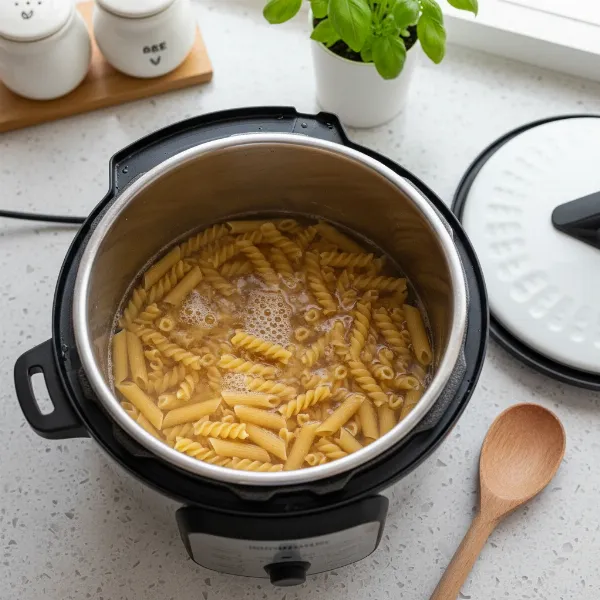
For bustling households and dedicated meal preppers, the daily challenge of putting delicious, wholesome food on the table can feel like an endless race against the clock. Imagine slashing cooking times for stews, roasts, and grains, all while enhancing flavor and locking in nutrients. This is the promise of the electric pressure cooker, and for large families, an 8-quart or larger model isn’t just a convenience – it’s a culinary game-changer. This guide dives deep into selecting, using, and maximizing the potential of the best large-capacity electric pressure cookers to simplify your family meals.
What is an Electric Pressure Cooker?
At its core, an electric pressure cooker is an appliance designed to cook food at an accelerated rate by trapping steam within a sealed pot. This process increases both the pressure and the boiling point of liquids inside, forcing heat into food faster than conventional methods. Modern electric models have evolved far beyond simple pressure cookers, becoming versatile “multi-cookers” that can perform a variety of functions, from slow cooking and sautéing to steaming and even making yogurt. This multi-functionality makes them invaluable tools for today’s busy kitchens.
The Evolution of Pressure Cookers: From Stovetop to Smart Electric Models
The journey of the pressure cooker reflects centuries of culinary innovation aimed at making cooking more efficient and enjoyable. What started as a revolutionary scientific concept has transformed into an indispensable kitchen appliance.
Early Beginnings: Stovetop Pressure Cookers
|
Our Picks for the Best Pressure cooker in 2026
As an Amazon Associate I earn from qualifying purchases.
|
||
| Num | Product | Action |
|---|---|---|
| 1 | CHEF iQ Smart Pressure Cooker with WiFi and Built-in Scale - Easy-to-Use 10-in-1 Multicooker with 500+ Guided Recipes - Rice Cooker, Slow Cooker, Instant Meals for Foodies - 6 Quart - Family Size |

|
| 2 | COMFEE' 9-in-1 Electric Pressure Cooker, 14 Presets Instant Multi Cooker Olla de Presion Non-Stick Pot Yogurt Maker Rice Cooker Slow Cooker Sauté Steamer 6 Quarts Black |
|
| 3 | Stove Top 304 Stainless Steel Pressure Cooker, One-hand Easy Handle Lid, 3 PSI Setting, 6 Safety Systems, Dishwasher Safe, Olla de Presion, Works for All Cooktops (8.5 QT) |
|
| 4 | Our Place Dream Cooker - 6 Qt Ceramic Nonstick Multicooker & Pressure Cooker with Touchscreen Controls & Auto Steam Release - 4 Modes: Pressure Cook, Sauté/Sear, Slow Cook & Warm - Blue Salt |
|
| 5 | Our Place Dream Cooker - 6 Qt Ceramic Nonstick Multicooker & Pressure Cooker with Touchscreen Controls & Auto Steam Release - 4 Modes: Pressure Cook, Sauté/Sear, Slow Cook & Warm - Spice |
|
| 6 | Our Place Dream Cooker - 6 Qt Ceramic Nonstick Multicooker & Pressure Cooker with Touchscreen Controls & Auto Steam Release - 4 Modes: Pressure Cook, Sauté/Sear, Slow Cook & Warm - Steam |
|
| 7 | Instant Pot Duo 7-in-1 Electric Pressure Cooker, Slow Cooker, Rice Cooker, Steamer, Sauté, Yogurt Maker, Warmer & Sterilizer, Includes App with Over 800 Recipes, Stainless Steel, 8 Quart |
|
| 8 | Instant Pot Duo 7-in-1 Electric Pressure Cooker, Slow Cooker, Rice, Steamer, Sauté, Yogurt Maker, Warmer & Sterilizer, Includes App With Over 800 Recipes, Stainless Steel, 6 Quart |
|
| 9 | COSORI Pressure Cooker 6QT, Stainless Steel, 9-in-1 Multi Cooker, 12 Safety Features, Ceramic Inner Pot, Rice, Slow Cook, Sous Vide, Saute, 1100W |
|
| 10 | Instant Pot Duo 7-in-1 Mini Electric Pressure Cooker, Slow Rice Cooker, Steamer, Sauté, Yogurt Maker, Warmer & Sterilizer, Includes Free App with over 1900 Recipes, Stainless Steel, 3 Quart |
|
Pressure cooking has roots tracing back to the 17th century with Denis Papin’s “Digester,” but practical stovetop pressure cookers became more common in the 20th century. These early models offered impressive speed for tenderizing tough cuts of meat and cooking dried beans, but often came with a steep learning curve and safety concerns that kept many home cooks at bay. They required manual monitoring of pressure and temperature on a stovetop, which could be intimidating for some users.
The Modern Revolution: Electric Multi-Cookers
The true renaissance of pressure cooking began in the 21st century with the advent of the electric multi-cooker, notably popularized by brands like Instant Pot around 2010. These appliances integrated the core benefits of pressure cooking with the convenience of automation and diverse functionalities. By combining pressure cooking with slow cooking, sautéing, steaming, rice cooking, and often more, electric multi-cookers made advanced cooking techniques accessible and safe for the everyday home cook. Their user-friendly interfaces and built-in safety mechanisms completely redefined perceptions, making them a staple in millions of kitchens worldwide.
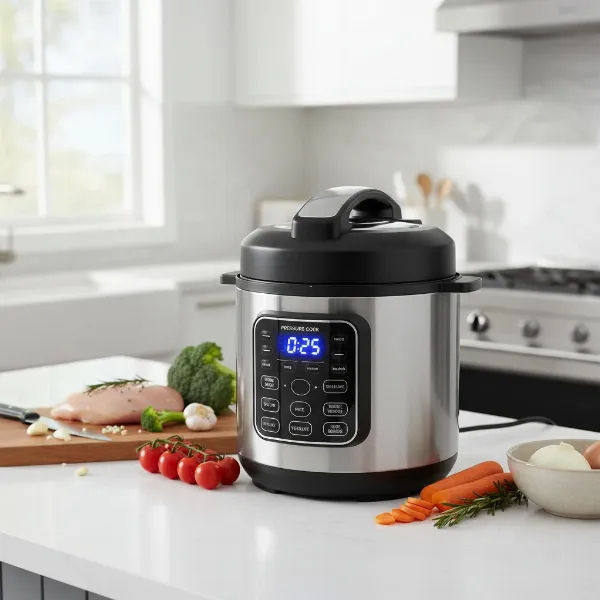 Modern electric pressure cooker in a kitchen with various functions.
Why Electric Pressure Cookers are a Game-Changer for Large Families
For those cooking for a crowd, the demands on time, energy, and kitchen space are significant. An 8-quart or larger electric pressure cooker directly addresses these challenges, offering compelling advantages over traditional cooking methods.
Unmatched Speed and Efficiency
Perhaps the most celebrated benefit of an electric pressure cooker is its incredible speed. Meals that typically simmer for hours on the stovetop or bake for an extended period in the oven can be ready in a fraction of the time. Think fork-tender pulled pork in under an hour, or dried beans cooked perfectly in minutes without pre-soaking. This speed is crucial for busy weeknights, allowing families to enjoy homemade meals even when time is scarce.
Nutrient Retention and Enhanced Flavor
The sealed environment of a pressure cooker not only speeds up cooking but also locks in moisture and nutrients that might otherwise escape with evaporation. Vitamins and minerals, particularly in vegetables, are better preserved, contributing to healthier meals. Moreover, the intense pressure forces flavors deeper into the food, creating richer, more complex tastes reminiscent of dishes that have been slow-simmering all day. Your chili or broth will taste like it’s been on the stove for hours, but in a fraction of the time.
Energy Savings and Convenience
Electric pressure cookers are remarkably energy-efficient because they cook so quickly and retain heat effectively. Compared to running an oven or stovetop burner for extended periods, a pressure cooker uses less energy overall. The “set-it-and-forget-it” nature of many electric models also adds unparalleled convenience. With programmable settings and automatic pressure release, you can load your ingredients, select a program, and walk away, knowing a delicious, perfectly cooked meal will be ready when you are. This hands-off approach frees up valuable time for other family activities.
Top Picks: Best Electric Pressure Cookers (8Qt+) for Large Households
When it comes to feeding a large family, capacity is king. An 8-quart or larger electric pressure cooker ensures you can prepare generous portions, whether for a single family meal, batch cooking, or entertaining. Here are some of the top contenders specifically designed for larger households:
| Model Name | Capacity | Key Functions | Pros | Cons | Ideal For |
|---|---|---|---|---|---|
| Instant Pot Duo Plus 8-Quart Multi-Use | 8 Quarts | Pressure Cook, Slow Cook, Rice, Steam, Sauté, Yogurt, Sous Vide, Cake, Keep Warm, Delay Start (10-in-1) | Versatile with many presets; easy to use interface; stainless steel inner pot; dishwasher-safe; excellent for large batch cooking. | Can be bulky, requiring significant storage space; some reports of uneven bean cooking compared to high-end models; searing function may be less powerful than dedicated stovetops. | Large families (5+), meal preppers, entertainers. |
| Instant Pot Pro 8-Quart 10-in-1 | 8 Quarts | Pressure Cook, Slow Cook, Sous Vide, Sauté, Sterilize, Yogurt, Keep Warm, Cake, Steam, Rice/Grain (10-in-1) | Upgraded powerful heating element; flat bottom for even cooking; handles on inner pot; precise control; quiet steam release. | Can be overwhelming for beginners due to numerous settings; searing may not be as effective as stovetop models. | Experienced cooks, those seeking advanced features and control. |
| Ninja Foodi Smart XL 8-Quart (Multicooker) | 8 Quarts | Pressure Cook, Air Fry, Slow Cook, Steam, Sauté, Broil, Bake, Roast, Dehydrate, Yogurt, Keep Warm | TenderCrisp Technology (pressure cook then air fry); large capacity; excellent for crispy results; versatile multi-cooker. | Larger footprint; more expensive; inner pot often non-stick ceramic which may scratch over time. | Families wanting both pressure cooking and air frying capabilities. |
Note: While Breville Fast Slow Pro is an excellent, precise electric pressure cooker, it’s typically available in 6-quart. It’s best suited for those prioritizing extreme control over maximum capacity for very large families.
How to Choose the Right 8-Quart+ Electric Pressure Cooker
Selecting the perfect electric pressure cooker for a large family involves balancing capacity with functionality, safety, and personal cooking preferences. Consider these factors before making your investment.
Determining Your Ideal Capacity
For families of five or more, an 8-quart pressure cooker is often the minimum recommended size. If you regularly engage in batch cooking, meal prepping for the week, or frequently entertain large groups, models up to 10 or 12 quarts might be even more suitable. It’s crucial to remember that pressure cookers should never be filled to their maximum capacity; typically, a 2/3 fill line is recommended to allow adequate space for pressure to build safely. Overfilling can obstruct the pressure release valve and compromise safety and performance.
Essential Features and Settings to Look For
Modern electric pressure cookers are truly multi-functional appliances. Look for models that offer a range of cooking functions beyond just pressure cooking, such as sauté, slow cook, steam, rice, and yogurt. Features like sous vide, cake, or even air frying (found in models like the Ninja Foodi) add significant versatility. A clear and intuitive control panel with customizable presets can make operation significantly easier, although many experienced users find they rely more on manual settings. Prioritize models with multiple safety features, including auto-locking lids, pressure relief valves, anti-block shields, and automatic shut-off to prevent overheating.
Inner Pot Material and Ease of Cleaning
The material of the inner cooking pot impacts both cooking performance and ease of maintenance. Stainless steel inner pots are durable, non-reactive, and often dishwasher-safe, making cleanup a breeze. They also distribute heat evenly. Some models feature ceramic nonstick coatings, which are excellent for preventing food from sticking but may require more delicate cleaning and can be less durable over time. For busy families, a dishwasher-safe inner pot is a significant advantage.
Brand Reputation and Warranty
Instant Pot dominates the electric pressure cooker market, and its various 8-quart models are consistently well-reviewed. Other reputable brands like Ninja (with its Foodi line) also offer excellent options. While stovetop models often come with longer warranties, electric pressure cookers typically offer a 1-year limited warranty. Always check the manufacturer’s warranty and customer support reputation.
Mastering Your Electric Pressure Cooker: Safe and Effective Use
Even with advanced safety features, understanding how to use your electric pressure cooker correctly is paramount for both safety and culinary success.
Pre-Cooking Preparations
Before every use, always take a moment to inspect your pressure cooker. Ensure the sealing ring is properly seated in the lid and free from cracks or food debris. Check that the float valve and steam release valve are clear and unobstructed. Most importantly, ensure there is always enough liquid in the pot – at least 1 cup for smaller models, potentially more for 8-quart+ units, to generate the necessary steam for pressure buildup. Never operate the pressure cooker dry. Remember to always consult your appliance’s manual for specific instructions and safety guidelines.
Setting Pressure and Cooking Times
Electric pressure cookers typically offer “High Pressure” and sometimes “Low Pressure” settings. While many come with convenient preset programs for common dishes like rice, beans, or poultry, don’t be afraid to experiment with manual settings once you’re comfortable. These allow you to fine-tune cooking times and pressure levels for your specific recipes. Keep in mind that the listed cooking time begins after the cooker has reached full pressure, which can take an additional 10-20 minutes, especially for larger volumes.
Safe Pressure Release Methods
Releasing pressure safely is a critical step. There are three main methods:
- Natural Pressure Release (NPR): The cooker is turned off, and pressure dissipates naturally over time (10-30 minutes, depending on food volume). This method is ideal for foamy foods like starchy grains and beans, or large cuts of meat, as it allows for a gentler cooking finish.
- Quick Release (QR): The steam release valve is manually opened to vent steam rapidly. This is useful for foods that you don’t want to overcook, such as vegetables or seafood. Always keep your hands and face clear of the hot steam. Some models offer a “pulse” release for controlled venting.
- Automatic Release: Some advanced electric models, like the Breville Fast Slow Pro, can automatically sense the type of food and release pressure accordingly, offering a completely hands-off experience.
Never attempt to open the lid until the float valve has dropped, indicating all internal pressure has been released. Many electric models feature a safety lock that prevents the lid from opening prematurely.
Cleaning and Maintenance for Longevity
Proper cleaning ensures both hygiene and the longevity of your appliance. The inner cooking pot, sealing ring, and steam rack are typically dishwasher-safe. The cooker base, containing the heating element, should never be submerged in water; wipe it clean with a damp cloth. Regularly clean the lid, especially the sealing ring and valves, to prevent food particles from affecting pressure buildup or release. Check for wear and tear on the sealing ring and replace it every 12-18 months or if you notice any changes in performance.
Delicious Large-Batch Recipes for Your Electric Pressure Cooker
An 8-quart or larger electric pressure cooker opens up a world of culinary possibilities for feeding a hungry family or preparing meals in advance. Its ability to quickly tenderize and infuse flavor makes it perfect for a wide array of hearty dishes.
Hearty Stews and Braises
Transform tough cuts of meat into fall-apart tender masterpieces in a fraction of the time. Think rich beef stew, flavorful lamb shanks, or classic pot roast that tastes like it simmered all day. The sealed environment ensures maximum flavor infusion and juicy results.
Soups and Broths
Making large batches of homemade chicken stock, beef broth, or a hearty vegetable soup becomes incredibly simple and fast. The pressure cooker extracts deep flavors from bones and vegetables, yielding delicious, nutritious bases for countless meals.
Grains and Legumes
Cooking dried beans from scratch is no longer an all-day affair. Lentils, chickpeas, black beans, and more can be perfectly cooked in minutes without pre-soaking. Similarly, grains like rice, quinoa, and farro cook flawlessly and quickly, ideal for side dishes or meal prep.
Weeknight Mains
From a whole roasted chicken (that fits comfortably in an 8-quart pot) to juicy pulled pork or tender beef brisket, your large-capacity pressure cooker can handle substantial main courses that feed the entire family with ease. Combine sautéing functions to brown meat before pressure cooking for added depth of flavor.
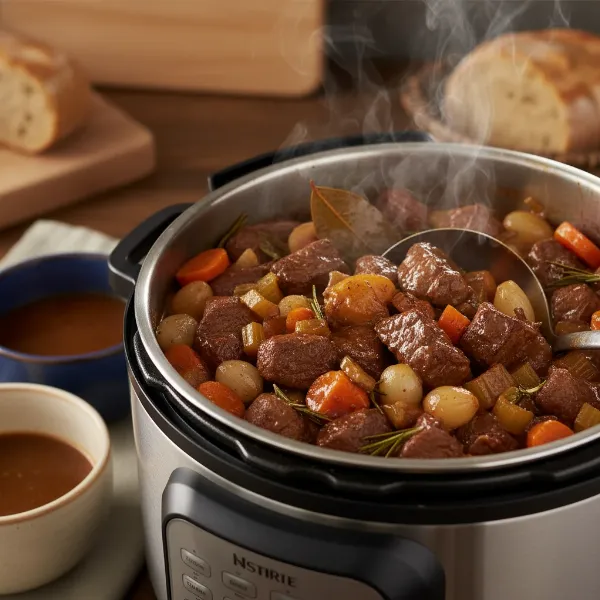 A hearty large-batch meal, like beef stew or pulled pork, prepared in a pressure cooker and ready to serve.
Troubleshooting Common Electric Pressure Cooker Issues
While modern electric pressure cookers are generally user-friendly, occasional hiccups can occur. Knowing how to address common issues can save you time and frustration.
- Lid Won’t Seal/Pressure Won’t Build: This is often due to the sealing ring not being properly seated or being damaged. Ensure it’s correctly in place and free of debris. Also, check that the steam release handle is set to “Sealing” (not “Venting”). Make sure there’s enough liquid to generate steam.
- Food Scorching on the Bottom: This can happen if too little liquid is used, or if thick sauces or dairy are placed directly at the bottom without sufficient liquid or a trivet. Some electric models have less powerful sauté functions that can lead to sticking. Deglaze the pot after sautéing, and add thin liquid at the bottom to prevent scorching.
- Unevenly Cooked Food: If meat is tough or beans are still hard, the cooking time or pressure level might have been insufficient, or the food was too densely packed. For beans, natural pressure release is often preferred for more even cooking.
- Steam Leaking During Cooking: A small amount of steam might escape initially, but continuous leakage indicates a problem with the lid seal. Stop cooking, check the sealing ring, and ensure the lid is properly closed and locked.
- “Burn” Error Message: This safety feature on many Instant Pots indicates that the bottom of the inner pot is too hot. It can be triggered by insufficient liquid, thick sauces, or food stuck to the bottom. Immediately turn off the cooker, release pressure, and inspect the contents.
Conclusion
An 8-quart or larger electric pressure cooker is a transformative appliance for any large family or individual committed to efficient, healthy, and flavorful cooking. It empowers you to conquer mealtime challenges, drastically cutting down on cooking durations while simultaneously locking in nutrients and amplifying tastes. By understanding its functions, prioritizing safety, and embracing its versatility, you unlock a world where delicious, homemade meals for a crowd are no longer a luxury but a daily reality. This powerful kitchen companion truly makes every meal an effortless joy, allowing you to spend less time cooking and more time savoring moments with your loved ones. What culinary adventure will your new pressure cooker inspire first?
Frequently Asked Questions
What size pressure cooker is best for a family of 6-8 people?
For a family of 6-8 people, an 8-quart electric pressure cooker is generally recommended as the ideal size. It provides enough capacity to cook main dishes, large batches of sides, or a whole chicken, ensuring generous portions for everyone. For frequent meal prepping or entertaining, a 10- or 12-quart model might offer even more flexibility.
Are electric pressure cookers safe for large quantities of food?
Yes, modern electric pressure cookers are designed with multiple safety features, including auto-locking lids, pressure relief valves, and automatic shut-off mechanisms, making them safe for cooking large quantities. However, it is crucial never to fill the pot beyond the marked “max fill” line (typically 2/3 full) to allow adequate space for steam and pressure to build safely and effectively.
Can I use my 8-quart electric pressure cooker for canning?
While some stovetop pressure canners are designed for canning low-acid foods, standard electric pressure cookers are generally not approved for USDA-compliant pressure canning. Currently, there are no electric pressure cookers rated for safe home canning due to the precise pressure control required for this process. If canning is a priority, invest in a dedicated stovetop pressure canner.
What are the main benefits of using an 8-quart electric pressure cooker?
The primary benefits of an 8-quart electric pressure cooker for large families include significantly reduced cooking times for big meals, enhanced flavor and nutrient retention due to cooking in a sealed environment, and increased convenience through its multi-functional capabilities (like sautéing, slow cooking, and steaming) and programmable settings. It streamlines meal preparation, saving both time and energy.
What’s the difference between an Instant Pot Pro and Duo Plus (8-quart models)?
Both the Instant Pot Pro 8-Quart and Duo Plus 8-Quart are excellent choices. The Pro line typically features a more powerful heating element, a flatter bottom for better searing and more even cooking, and upgraded handles on the inner pot for easier lifting. The Duo Plus is a highly versatile and popular model, often more budget-friendly, offering a wide range of functions suitable for most family needs. The Pro is generally considered a step up in terms of build quality and advanced features.