Ever unboxed a shiny new electric pressure cooker, marveled at all the buttons, and then landed on one that made you pause? For many, that button is “Yogurt.” While “Sauté,” “Rice,” and “Soup” are self-explanatory, the yogurt function can feel a bit mysterious. If you’ve ever found yourself asking What Is The Yogurt Function For, you’ve come to the right place. I remember my first time seeing it; I thought, “Really? This machine that can cook a pot roast in an hour can also make… yogurt?” The answer is a resounding yes, and it’s a game-changer. This unassuming button unlocks the ability to create creamy, delicious, and incredibly affordable homemade yogurt, with minimal effort.
But it’s more than just a one-trick pony. The yogurt function is essentially a precise, low-temperature cooking mode. It’s designed to hold a specific temperature for an extended period, which is the secret to all fermented foods. So, let’s pull back the curtain and demystify this brilliant feature.
So, What Exactly Is The Yogurt Function For?
At its core, the yogurt function on an electric pressure cooker is designed to create the perfect environment for fermenting milk into yogurt. It isn’t a pressure cooking function at all. Instead, it uses the heating element to maintain two specific, stable, low-temperature settings: a higher one for pasteurizing milk and a lower one for incubating the yogurt culture.
This function automates a process that used to require a stove, a thermometer, and constant monitoring. It transforms your multi-cooker into a dedicated yogurt maker, giving you complete control over ingredients, sweetness, and thickness. Forget store-bought yogurts with added sugars and preservatives; this is your ticket to pure, wholesome goodness.
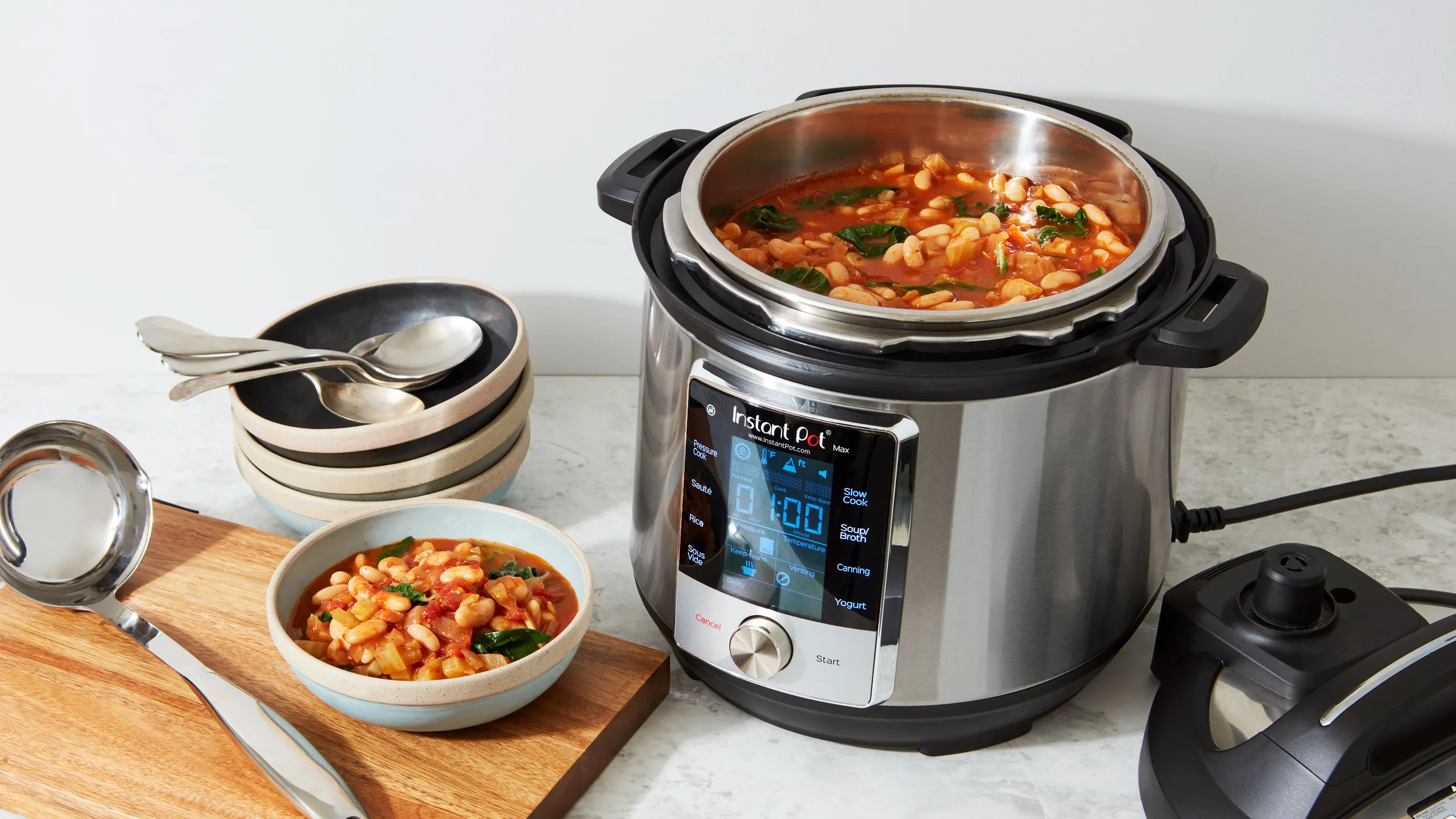
How The Yogurt Function Works: The Science Simplified
Making yogurt is a two-step dance of temperature control, and your pressure cooker’s yogurt function is the perfect choreographer. It manages both phases for you.
Phase 1: The Pasteurizing or “Boil” Setting
The first step in making yogurt is to heat the milk. Most electric pressure cookers have a “Boil” setting within the yogurt function (on some models, you might have to press the “Yogurt” button a few times to cycle to it). This phase heats the milk to around 180°F (82°C).
Why is this important?
- It kills competing bacteria: This ensures that the only bacteria that thrive are the beneficial ones you introduce from your yogurt starter.
- It denatures the proteins: This is the real magic. Changing the milk’s protein structure allows it to set into a thicker, creamier yogurt rather than a runny mess.
Without the pressure cooker, you’d be doing this on the stove, carefully watching to prevent scalding. The yogurt function handles it perfectly.
Phase 2: The Incubation or “Ferment” Setting
After pasteurizing, the milk needs to cool down to about 110-115°F (43-46°C) before you can add your starter culture (a bit of existing plain yogurt or a powdered starter). If the milk is too hot, it will kill the live cultures. Once the starter is whisked in, it’s time for incubation.
This is where the yogurt function truly shines. It holds the milk at this “just right” temperature for anywhere from 8 to 12 hours.
“The key to consistently great yogurt is temperature stability during incubation,” notes culinary equipment expert Isabella Rossi. “Too cool, and the culture won’t activate properly. Too warm, and it can separate or taste sour. The yogurt function of a modern electric pressure cooker eliminates that guesswork, providing the perfect warm, cozy environment for the good bacteria to do their job.”
During this long, warm bath, the live cultures in the starter get to work, consuming the lactose (milk sugar) and converting it into lactic acid. This acid is what causes the milk to thicken and develop that classic tangy yogurt flavor.
Your First Batch: A Step-by-Step Guide to Homemade Yogurt
Ready to give it a shot? It’s easier than you think. Here’s a basic recipe to get you started.
- Gather Your Ingredients: All you need is milk and a starter.
- Milk: Half a gallon (about 2 liters) of whole or 2% milk works best for a creamy texture.
- Starter: 2 tablespoons of store-bought, plain, full-fat yogurt that contains “live and active cultures.” Make sure it’s fresh!
- Pasteurize the Milk: Pour the milk into the inner pot of your pressure cooker. Close the lid (you don’t need to seal the vent for this). Select the “Yogurt” function and cycle it to the “Boil” setting. The cooker will heat the milk and beep when it’s done.
- Cool it Down: Carefully remove the inner pot and place it on a heat-proof surface. Let the milk cool to between 110-115°F (43-46°C). You can use an instant-read thermometer or just wait about 45-60 minutes. It should feel warm, but not hot, to the touch.
- Temper and Add the Starter: Scoop about a cup of the warm milk into a separate bowl. Whisk your 2 tablespoons of yogurt starter into it until it’s smooth. This is called “tempering” and it helps the starter mix into the main batch without clumping. Pour this tempered mixture back into the main pot of milk and whisk gently to combine.
- Incubate: Place the inner pot back into the pressure cooker. Close the lid. Select the “Yogurt” function again, and this time set it to the normal incubation setting (usually the default). Set the timer for 8-10 hours. 8 hours will give you a mild yogurt, while 10-12 hours will result in a tangier flavor.
- Chill and Set: Once the timer goes off, the yogurt will be set but still warm and a bit loose. Carefully remove the inner pot, cover it with plastic wrap or a silicone lid, and refrigerate it for at least 6 hours, or preferably overnight. Chilling is a crucial step—it stops the fermentation and helps the yogurt thicken up beautifully.
|
Our Picks for the Best Pressure Cooker in 2025
As an Amazon Associate, we earn from qualifying purchases.
|
||
| Num | Product | Action |
|---|---|---|
| 1 | Visit the CUCKOO Store |

|
| 2 | Instant Pot Duo 7-in-1 Electric Pressure Cooker, Slow Cooker, Rice, Steamer, Sauté, Yogurt Maker, Warmer & Sterilizer, Includes App With Over 800 Recipes, Stainless Steel, 6 Quart |
|
| 3 | DUMOS 12-in-1 Electric Pressure Cooker 6 QT Stainless Steel Multi Cooker Electric for Pressure, Rice, Steamer, Yogurt Maker, Slow Cook,Meat Stew, Cake, Porridge, Multigrain, Sliver |
|
| 4 | Presto 01362 6-Quart Stainless Steel Pressure Cooker |
|
| 5 | HealSmart 12-in-1 Multi Electric Pressure Cooker, Non-Stick 6QT Stainless Steel Pressure Cooker for Yogurt Maker, Slow Cooker, Cake, Multigrain, Dishwasher Safe |
|
| 6 | COSORI Pressure Cooker 6QT, Stainless Steel, 9-in-1 Multi Cooker, 12 Safety Features, Ceramic Inner Pot, Rice, Slow Cook, Sous Vide, Saute, 1100W |
|
| 7 | Safety Stainless Steel Pressure Cooker, 7.4 Qt with Release Valve & Multiple Protective Devices, Cooking Pressure Canner for Steam, Canning, Stewing on All Stovetops |
|
| 8 | CHEF iQ Smart Pressure Cooker with WiFi and Built-in Scale - Easy-to-Use 10-in-1 Multicooker with 500+ Guided Recipes - Rice Cooker, Slow Cooker, Instant Meals for Foodies - 6 Quart - Family Size |
|
| 9 | Instant Pot Duo 7-in-1 Mini Electric Pressure Cooker, Slow Rice Cooker, Steamer, Sauté, Yogurt Maker, Warmer & Sterilizer, Includes Free App with over 1900 Recipes, Stainless Steel, 3 Quart |
|
| 10 | Our Place Dream Cooker | 6-quart Multicooker | 4 Versatile Modes | Pressure Cook, Slow Cook, Sear & Saute, Keep Warm | Hands-Free Steam Release | Tailored Control Panel | Steam |
|
Common Mistakes to Avoid
Your first batch might not be perfect, and that’s okay! Here are a few common pitfalls to watch out for when you first explore what is the yogurt function for:
- Using Ultra-Pasteurized (UHT) Milk: This milk has been heated to a very high temperature, which alters the protein structures so much that it often won’t set into a firm yogurt. Stick to regular pasteurized milk.
- Adding the Starter When the Milk is Too Hot: This is the most common mistake. It kills the delicate bacteria, and your milk will never turn into yogurt. Be patient and let it cool!
- Stirring or Bumping the Pot During Incubation: Leave it alone! Agitating the pot while the cultures are working can result in a lumpy or separated final product.
Beyond Yogurt: Other Uses for the Yogurt Function
While its primary purpose is obvious, the yogurt function’s ability to hold a low, steady temperature makes it surprisingly versatile. Think of it as a proofing box or a slow fermenter.
- Proofing Bread Dough: The “low” setting is often the perfect warm, draft-free environment to help your bread or pizza dough rise much faster, especially in a cold kitchen.
- Making Dulce de Leche: You can make creamy caramel by pressure cooking a can of sweetened condensed milk, but for a “low and slow” version, you can incubate it in mason jars on the yogurt setting.
-
- Fermenting Other Foods: It’s great for making other cultured foods like homemade cottage cheese or Indian dosa batter.
Frequently Asked Questions (FAQ)
1. What if my pressure cooker’s yogurt function doesn’t have a “boil” setting?
No problem! You can simply pasteurize the milk in the inner pot using the “Sauté” function. Heat the milk, stirring occasionally, until it reaches 180°F (82°C), then turn it off and proceed with the cooling step.
2. Can I make Greek yogurt with the yogurt function?
Absolutely! The yogurt function makes the base yogurt. To turn it into Greek yogurt, you simply need to strain it after it has been chilled. Line a colander with cheesecloth or a coffee filter, set it over a bowl, pour in your chilled yogurt, and let it strain in the fridge for a few hours. The longer it strains, the thicker it will get.
3. Do I need to buy a new starter every time?
Nope! Once you’ve made your first successful batch, you can save 2 tablespoons of it to use as the starter for your next batch. You can do this for several generations before you may notice the culture weakening.
4. Can I use non-dairy milk?
Yes, but it’s trickier. Nut milks and soy milk lack the specific proteins and sugars (lactose) that dairy milk has. You will often need to add a thickener (like agar-agar or tapioca starch) and use a specific non-dairy yogurt starter.
5. How long does homemade yogurt last?
When stored in an airtight container in the refrigerator, your delicious homemade yogurt will last for about 10 to 14 days.
The Final Scoop
So, what is the yogurt function for? It’s your gateway to healthier, tastier, and more affordable living. It takes the guesswork out of a delicate culinary science, turning your pressure cooker into a reliable, set-it-and-forget-it yogurt-making machine. It’s a feature that encourages experimentation, saves you money on groceries, and gives you complete control over what you and your family eat. If you haven’t tried it yet, I wholeheartedly encourage you to grab some milk and give it a go. You might just discover your new favorite kitchen appliance feature.