Let’s be honest, unboxing a new kitchen appliance can feel like Christmas morning. But as you pull out your shiny new electric pressure cooker, you might find a small, clear plastic cup and think, “What on earth is this for?” If you’re asking yourself What Is The Condensation Collector For, you’re not alone. I remember my first Instant Pot; that little piece of plastic sat on my counter for a week before I figured out its simple but crucial job. It’s one of those small parts that doesn’t get the glory of the main pot or the sealing ring, but your cooking experience would be a lot messier without it.
This little gadget is your pressure cooker’s secret weapon against countertop puddles. It’s an unsung hero that plays a vital role in keeping your cooking process clean, safe, and efficient. In this guide, we’ll dive deep into this mysterious little cup, explaining exactly what it does, why you need it, and how to care for it.
So, What Is the Condensation Collector For, Exactly?
The condensation collector is a small, detachable plastic cup that clips onto the back or side of most electric pressure cookers. Its one and only job is to catch and hold any moisture (condensation) that is released from the cooker during and after the cooking cycle.
Think of it like a tiny gutter system for your appliance. As your pressure cooker heats up and then releases steam, not all of that moisture stays inside the pot. Some of it escapes, especially during the depressurization process, and runs down the side of the unit. The collector is perfectly positioned to catch this runoff, preventing it from pooling on your counter or dripping onto the floor. It’s a simple solution to a potentially messy problem.
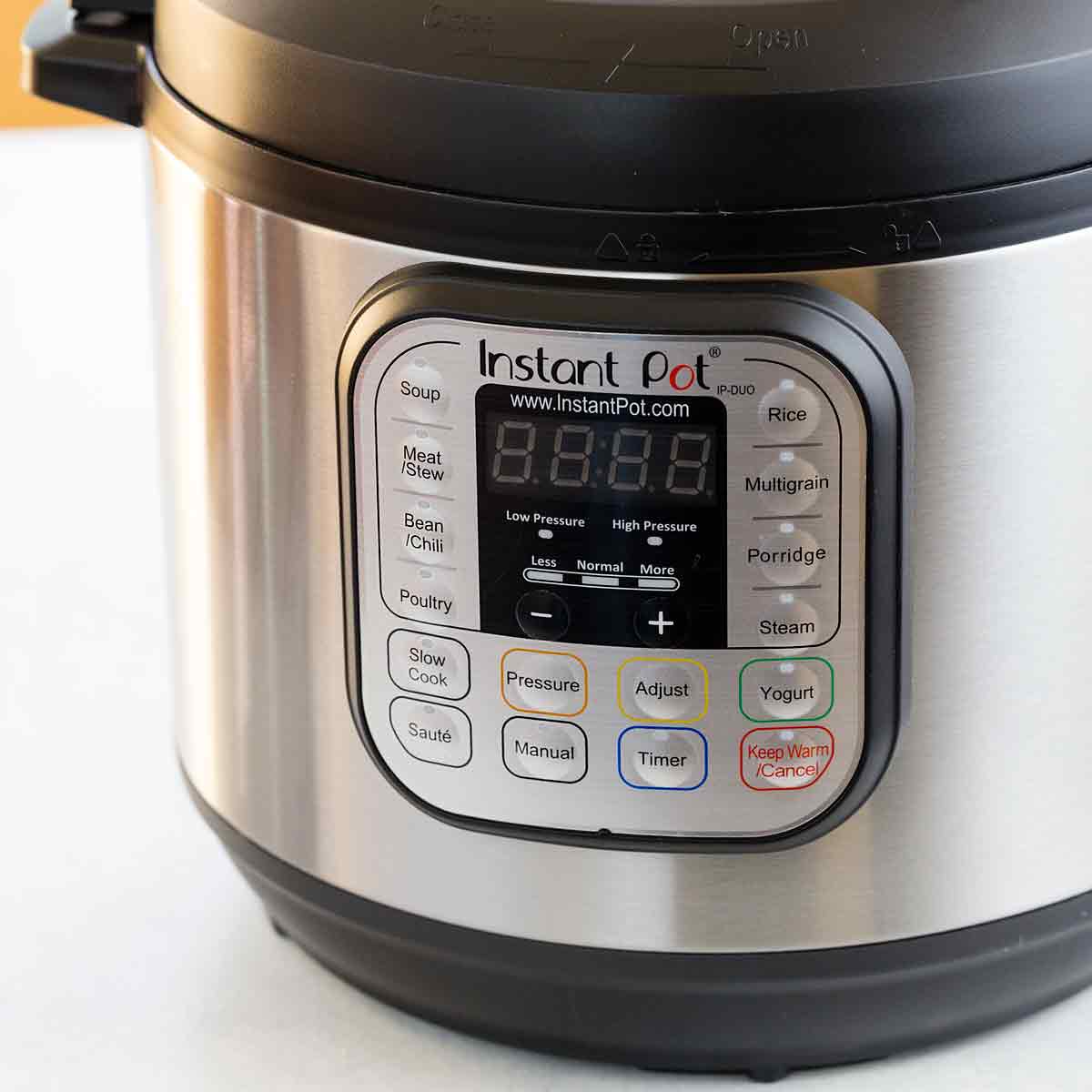
Do All Pressure Cookers Have One?
This is a great question, and the answer is no. You will almost exclusively find a condensation collector on an electric pressure cooker like an Instant Pot, Ninja Foodi, or Crockpot Express.
Stovetop pressure cookers, the more traditional kind you place directly on your burner, operate a bit differently. They typically vent steam straight up into the air and don’t have the same housing design that would cause water to run down the sides. Therefore, they don’t need or include a condensation collector. So, if you’re a stovetop user, this is one less part you have to worry about!
Why This Little Cup Is So Important
It might seem like an optional accessory, but using your pressure cooker without the condensation collector is a bad idea. Here’s why this humble piece of plastic is more important than it looks.
- Mess Prevention: This is the most obvious benefit. Nobody wants a puddle of starchy, greasy, or brothy water all over their kitchen counter. The collector keeps your cooking area tidy and saves you from extra cleanup.
- Safety: Water on a countertop, especially near other electrical outlets or appliances, can be a hazard. Worse, if it drips onto the floor, it creates a serious slipping risk. The collector helps maintain a safe kitchen environment.
- Protecting Your Countertops: Depending on what you’re cooking, the liquid collected can be hot and sometimes oily or acidic. Over time, this could potentially stain or damage certain countertop materials like granite or butcher block. The collector acts as a barrier, protecting your investment.
Expert Tip from Chef Maria Rodriguez: “I tell every new pressure cooker owner the same thing: make checking your condensation collector part of your pre-cooking ritual. Just like you check the sealing ring and float valve, give the collector a glance. Make sure it’s empty and clipped in securely. It’s a two-second habit that prevents a five-minute cleanup.”
How to Install and Use Your Condensation Collector
Thankfully, this is probably the easiest part of using your entire pressure cooker. While the exact placement varies by model, the process is generally the same.
- Locate the Slot: Look on the back or side of your pressure cooker’s main housing. You’ll see a small slot or a set of grooves designed to hold the collector.
- Align the Collector: Hold the plastic cup with the opening facing up. You’ll notice it has small tabs or lips on one side.
- Slide or Clip It On: Align the tabs on the collector with the grooves on the cooker’s body. Gently slide it into place from the top down. It should click or fit snugly.
And that’s it! You’re ready to cook. Just leave it there while you cook. It will do its job automatically without you having to think about it again until it’s time to clean up.
Common Mistakes to Avoid With Your Pressure Cooker
The condensation collector is just one piece of the puzzle. To become a true pressure cooking pro, it’s helpful to be aware of the common pitfalls many beginners fall into. Avoiding these will ensure delicious results and safe operation every time.
- Forgetting the Condensation Collector: We have to start here! It’s an easy piece to forget, especially after you’ve just washed it. Make a habit of reattaching it as soon as it’s dry.
- Overfilling the Pot: This is a big one. Never fill your pressure cooker more than two-thirds full for most foods, and only half full for foods that expand, like beans, rice, and pasta. Overfilling can clog the safety valve and prevent the cooker from reaching pressure correctly.
- Not Checking the Sealing Ring: Before closing the lid, always check that the silicone sealing ring is properly seated, clean, and free of any damage. A poorly fitted ring is the number one cause of a pressure cooker failing to seal.
- Using the Wrong Release Method: There are two main ways to release pressure: natural release (letting the pressure drop on its own) and quick release (manually venting steam through the valve). Using a quick release for foamy foods like soups or oatmeal can cause a dangerous spray of hot liquid. Always follow your recipe’s instructions.
- Not Adding Enough Liquid: Pressure cookers work by creating steam from liquid. You need at least one cup of liquid (water, broth, etc.) for the appliance to build pressure. Without it, you risk burning your food and triggering the cooker’s overheat protection.
|
Our Picks for the Best Pressure Cooker in 2026
As an Amazon Associate, we earn from qualifying purchases.
|
||
| Num | Product | Action |
|---|---|---|
| 1 | Safety Stainless Steel Pressure Cooker, 7.4 Qt with Release Valve & Multiple Protective Devices, Cooking Pressure Canner for Steam, Canning, Stewing on All Stovetops |

|
| 2 | DUMOS 12-in-1 Electric Pressure Cooker 6 QT Stainless Steel Multi Cooker Electric for Pressure, Rice, Steamer, Yogurt Maker, Slow Cook,Meat Stew, Cake, Porridge, Multigrain, Sliver |
|
| 3 | CHEF iQ Smart Pressure Cooker with WiFi and Built-in Scale - Easy-to-Use 10-in-1 Multicooker with 500+ Guided Recipes - Rice Cooker, Slow Cooker, Instant Meals for Foodies - 6 Quart - Family Size |
|
| 4 | Visit the CUCKOO Store |
|
| 5 | HealSmart 12-in-1 Multi Electric Pressure Cooker, Non-Stick 6QT Stainless Steel Pressure Cooker for Yogurt Maker, Slow Cooker, Cake, Multigrain, Dishwasher Safe |
|
| 6 | Presto 01362 6-Quart Stainless Steel Pressure Cooker |
|
| 7 | COSORI Pressure Cooker 6QT, Stainless Steel, 9-in-1 Multi Cooker, 12 Safety Features, Ceramic Inner Pot, Rice, Slow Cook, Sous Vide, Saute, 1100W |
|
| 8 | Instant Pot Duo 7-in-1 Electric Pressure Cooker, Slow Cooker, Rice, Steamer, Sauté, Yogurt Maker, Warmer & Sterilizer, Includes App With Over 800 Recipes, Stainless Steel, 6 Quart |
|
| 9 | Instant Pot Duo 7-in-1 Mini Electric Pressure Cooker, Slow Rice Cooker, Steamer, Sauté, Yogurt Maker, Warmer & Sterilizer, Includes Free App with over 1900 Recipes, Stainless Steel, 3 Quart |
|
| 10 | Our Place Dream Cooker | 6-quart Multicooker | 4 Versatile Modes | Pressure Cook, Slow Cook, Sear & Saute, Keep Warm | Hands-Free Steam Release | Tailored Control Panel | Steam |
|
Keeping It Clean: Condensation Collector Care
Because it collects runoff, the condensation collector can get a bit grimy. The liquid inside can be starchy, oily, or just plain murky. It’s important to clean it regularly to prevent bacteria growth and odors.
Cleaning is a breeze:
- Remove It: Gently slide the collector off your pressure cooker. Be careful if it contains liquid—you don’t want to spill it now!
- Empty It: Pour any collected liquid down the sink.
- Wash It: Wash the cup with warm, soapy water. Use a small brush if needed to get into any corners. Most condensation collectors are also top-rack dishwasher safe, but always check your user manual to be sure.
- Dry and Replace: Dry it thoroughly with a cloth or let it air dry completely before clipping it back onto your cooker.
I recommend emptying and washing the collector after every one or two uses, even if it doesn’t look full. This keeps your appliance in top-notch condition.
Frequently Asked Questions (FAQ)
Is it safe to use my electric pressure cooker without the condensation collector?
While it won’t cause the cooker to explode, it’s not recommended. You will end up with a puddle of water on your counter, which is messy and creates a potential slipping hazard. It’s best to always have it in place.
My pressure cooker didn’t come with a condensation collector. Is it missing?
If you have a stovetop model, it’s not supposed to have one. If you have an electric model and there wasn’t one in the box, double-check the packaging. If it’s truly missing, contact the manufacturer for a replacement part.
How often should I empty the condensation collector?
It’s a good habit to empty and clean it after every use. The amount of liquid it collects varies greatly depending on what you’re cooking and the humidity in your kitchen, so it’s better to be safe than sorry.
What is the liquid that ends up in the collector?
The liquid is simply condensed steam (water) that forms inside the cooker’s housing and is released when the lid is opened or during venting. It might also contain small amounts of oils or starches from the food you were cooking.
My condensation collector feels a little loose. Is that normal?
Yes, most collectors are designed to slide on and off easily, so they may not feel rigidly locked in place. As long as it stays on during cooking and is positioned correctly under the rim to catch drips, it is working as intended.
The Small Part That Makes a Big Difference
So, when you next find yourself wondering what is the condensation collector for, you can confidently say it’s the simple, brilliant solution for keeping your pressure cooking clean and contained. It’s a testament to the thoughtful design of modern electric pressure cookers, where even the smallest components are engineered to improve your safety and convenience.
By understanding the role of every part of your appliance, from the main pot to this tiny plastic cup, you empower yourself to cook with more confidence. So embrace this little gadget, keep it clean, and enjoy the mess-free magic of pressure cooking.