Welcome to the heart of flavor-town! If you’ve ever wondered how to get those rich, deep, and savory flavors in your stews, chilis, and pot roasts, you’ve come to the right place. The secret isn’t some fancy ingredient; it’s a technique. And today, we’re going to dive deep into What Is The Best Way To Brown Meat, specifically using your trusty pressure cooker. Forget bland, grey meat. We’re about to unlock a world of culinary magic, transforming your one-pot meals from good to absolutely unforgettable. It’s a game-changer, and I promise, it’s easier than you think.
A Quick Trip Back in Time: The Pressure Cooker’s Glow-Up
Let’s be honest, for some folks, the term “pressure cooker” conjures up images of a rattling, hissing pot on their grandmother’s stove that everyone was slightly afraid of. Those old-school stovetop models were workhorses, but they could be intimidating. Fast forward to today, and we’re living in a golden age of pressure cooking. Modern electric pressure cookers, like the famous Instant Pot, are packed with safety features—locking lids, pressure sensors, and automatic shut-offs—that make them incredibly safe and user-friendly.
The most significant evolution for our purposes? The built-in “Sauté” function. This single button transformed the pressure cooker from a simple steamer into a true one-pot-wonder, allowing us to build incredible layers of flavor without dirtying another pan.
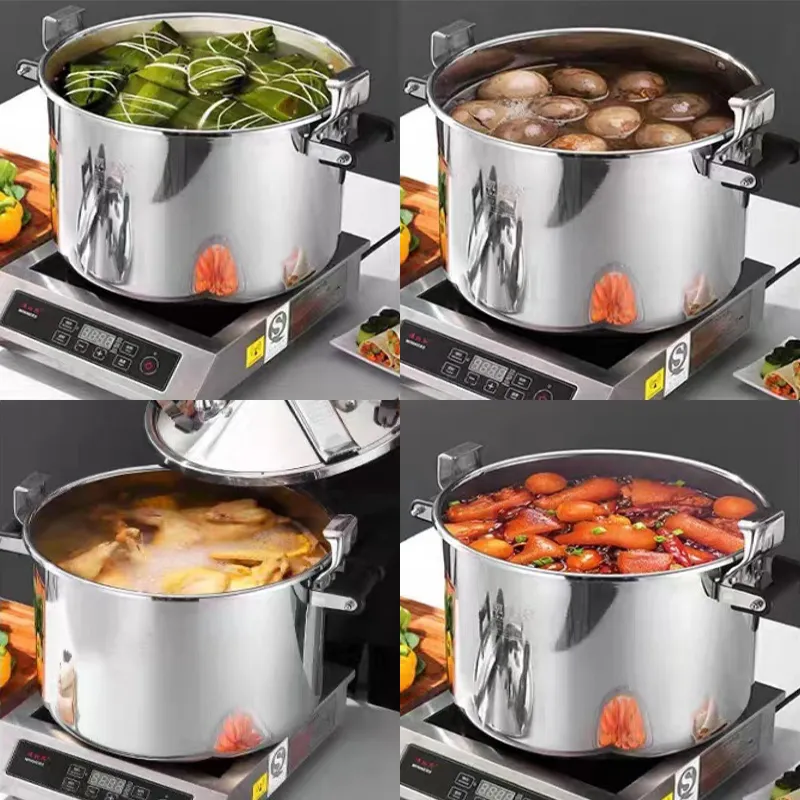
Stovetop vs. Electric: Does It Matter for Browning?
So, you have a pressure cooker, but which kind? And how does that affect browning?
Stovetop Pressure Cookers
These are the classic models that work on your gas or electric range. To brown meat in one, you simply use it like a regular heavy-bottomed pot. You control the heat directly with your stove’s dial, giving you precise temperature control. This can be a huge advantage for getting a perfect, dark sear.
Electric Pressure Cookers
These are the all-in-one countertop appliances. They have a dedicated “Sauté” or “Brown” button that heats the inner pot. Most models have adjustable heat settings (low, medium, high), which is fantastic. While they might not get ripping hot quite as fast as a stovetop model on a powerful burner, they offer incredible convenience. The techniques we’ll discuss apply to both, but if you have an electric model, the Sauté function is your best friend.
What Is the Best Way to Brown Meat? The Step-by-Step Guide
Alright, let’s get down to business. Browning meat is all about creating the Maillard reaction—a chemical reaction between amino acids and reducing sugars that gives browned food its distinctive flavor and color. It’s the same magic that makes toast toasty and coffee aromatic. Here’s how to nail it every single time.
- Start with Dry Meat: This is the golden rule. Wet meat steams, dry meat sears. Take your meat out of the packaging and pat it thoroughly dry with paper towels. I mean really dry. Any moisture on the surface will have to evaporate before the browning can begin, which cools down your pot and leads to a sad, grey result.
- Get the Pot Hot: Whether you’re on a stovetop or using the Sauté function, you need a hot surface. For an electric pressure cooker, hit the “Sauté” button and let it heat up for a few minutes. It will often display “Hot” or “On” when it’s ready. A good test is to add a drop of water; if it sizzles and evaporates instantly, you’re good to go.
- Add Your Fat: Once the pot is hot, add a tablespoon or two of a high-smoke-point oil like canola, grapeseed, or avocado oil. You can also use ghee or bacon fat for extra flavor. Let the oil get hot and shimmery. This creates a barrier between the meat and the pot, preventing sticking and promoting even browning.
- Don’t Crowd the Pot: This is the second golden rule and the mistake I see most often. If you pile all the meat in at once, you’ll trap steam, drastically lower the temperature, and end up boiling your meat instead of browning it. Think of it like a party—if too many people are in the room, nobody can dance. Sear your meat in batches, ensuring there’s space between each piece. Yes, it takes an extra 5-10 minutes, but the flavor payoff is enormous.
- Let It Be!: Once you place the meat in the hot oil, resist the urge to move it. Let it sit undisturbed for 3-5 minutes. It needs that uninterrupted contact with the hot surface to develop a deep, brown crust. It might stick a little at first, but once the crust forms, it will release naturally from the pot.
- Flip and Repeat: Use tongs to check one piece. If it has a beautiful, dark brown crust, go ahead and flip all the pieces over and sear the other side. Once both sides are browned, remove the meat to a clean plate and set it aside. Continue with the next batch until all your meat is seared.
- Deglaze for Flavor Gold: After you’ve removed the last batch of meat, you’ll see a bunch of browned bits stuck to the bottom of the pot. This is not burnt stuff; this is pure flavor! It’s called “fond.” To get it, pour in a splash of liquid (broth, wine, or even water) while the pot is still hot. Use a wooden spoon or a flat-edged spatula to scrape up all those delicious bits. This not only incorporates them into your dish, creating an incredibly rich base, but it also helps prevent a “Burn” warning on electric models.
As my mentor, the esteemed culinary expert Chef Isabella Rossi, always said, “Forgetting to deglaze is like throwing away the soul of your dish. The fond is where the deepest, most complex flavors are born.”
|
Our Picks for the Best Pressure Cooker in 2025
As an Amazon Associate, we earn from qualifying purchases.
|
||
| Num | Product | Action |
|---|---|---|
| 1 | HealSmart 12-in-1 Multi Electric Pressure Cooker, Non-Stick 6QT Stainless Steel Pressure Cooker for Yogurt Maker, Slow Cooker, Cake, Multigrain, Dishwasher Safe |

|
| 2 | Safety Stainless Steel Pressure Cooker, 7.4 Qt with Release Valve & Multiple Protective Devices, Cooking Pressure Canner for Steam, Canning, Stewing on All Stovetops |
|
| 3 | Our Place Dream Cooker | 6-quart Multicooker | 4 Versatile Modes | Pressure Cook, Slow Cook, Sear & Saute, Keep Warm | Hands-Free Steam Release | Tailored Control Panel | Steam |
|
| 4 | Instant Pot Duo 7-in-1 Electric Pressure Cooker, Slow Cooker, Rice, Steamer, Sauté, Yogurt Maker, Warmer & Sterilizer, Includes App With Over 800 Recipes, Stainless Steel, 6 Quart |
|
| 5 | DUMOS 12-in-1 Electric Pressure Cooker 6 QT Stainless Steel Multi Cooker Electric for Pressure, Rice, Steamer, Yogurt Maker, Slow Cook,Meat Stew, Cake, Porridge, Multigrain, Sliver |
|
| 6 | Visit the CUCKOO Store |
|
| 7 | CHEF iQ Smart Pressure Cooker with WiFi and Built-in Scale - Easy-to-Use 10-in-1 Multicooker with 500+ Guided Recipes - Rice Cooker, Slow Cooker, Instant Meals for Foodies - 6 Quart - Family Size |
|
| 8 | COSORI Pressure Cooker 6QT, Stainless Steel, 9-in-1 Multi Cooker, 12 Safety Features, Ceramic Inner Pot, Rice, Slow Cook, Sous Vide, Saute, 1100W |
|
| 9 | Presto 01362 6-Quart Stainless Steel Pressure Cooker |
|
| 10 | Instant Pot Duo 7-in-1 Mini Electric Pressure Cooker, Slow Rice Cooker, Steamer, Sauté, Yogurt Maker, Warmer & Sterilizer, Includes Free App with over 1900 Recipes, Stainless Steel, 3 Quart |
|
Common Browning Blunders to Avoid
We’ve all been there. To help you skip the learning curve, here are a few common pitfalls:
- Starting with Cold Meat: Let your meat sit at room temperature for about 20-30 minutes before cooking. It will brown more evenly.
- Using Too Little Fat: The meat needs a layer of oil to conduct heat properly. Don’t be shy.
- Stirring Constantly: Patience is key. Let the Maillard reaction do its work. No peeking!
- Skipping the Deglazing Step: Seriously, don’t skip it. It’s the most important step for building flavor.
Why Bother Browning? The Delicious Benefits
You might be thinking, “This seems like a lot of work. Can’t I just dump everything in?” You could, but you’d be missing out on so much.
- Incredible Flavor: As we’ve discussed, the Maillard reaction creates complex, savory notes that you simply can’t get from steaming or boiling.
- Better Texture: The seared crust on the meat adds a pleasing texture to the final dish, even after being pressure cooked to fall-apart tenderness.
- Richer Color: Browning gives your stews, sauces, and gravies a beautiful, deep, appetizing color. We eat with our eyes first, after all.
Keeping Your Cooker Clean and Happy
After all that delicious browning, you’ll need to clean your pot. The good news is that if you deglazed properly, most of the work is already done! The stainless steel inner pot of most pressure cookers is dishwasher safe. However, always pay special attention to the silicone sealing ring in the lid. It can absorb odors, so it’s a good idea to wash it separately by hand or even have a spare—one for savory dishes and one for sweet ones.
Frequently Asked Questions (FAQ)
What is the best way to brown ground meat in a pressure cooker?
The process is very similar. Get the pot hot, add the ground meat, and use a spatula to break it up into smaller crumbles. Let it sit without stirring for a few minutes to get some nice brown spots before you continue to break it up and cook it through.
Do I have to brown meat before pressure cooking?
You don’t have to, but you absolutely should. It is the single most effective step for building deep, rich flavor in your finished dish. For something like a simple chicken breast for shredding, you can skip it. For a beef stew or pot roast, it’s non-negotiable for the best results.
Why is my meat steaming instead of browning?
This is almost always caused by one of two things (or both): the meat was too wet, or you overcrowded the pot. Go back to basics: pat the meat bone-dry and always cook in batches with plenty of space.
Can I use flour on the meat before browning?
Yes! Tossing your meat in a bit of seasoned flour before browning is a classic technique for stews. It helps create a thicker, more beautiful crust and will also act as a natural thickener for your sauce as it cooks under pressure.
My electric pressure cooker’s Sauté function doesn’t seem hot enough. What can I do?
First, make sure you’re using the “High” or “More” setting if your model has it. Second, be patient and give it a full 5-7 minutes to preheat before adding oil. If it still struggles, you can always brown the meat in a separate skillet on the stove and then deglaze that skillet and pour everything into your pressure cooker pot.
Your First Step to Amazing Meals
Mastering how to brown meat is more than just a cooking step; it’s a foundational technique that separates good home cooks from great ones. It’s the difference between a flat, one-note stew and a rich, complex one that tastes like it simmered for hours. Your pressure cooker is the perfect tool for the job, allowing you to build that flavor and then lock it in under pressure for a fast, tender, and delicious result. So next time you pull out your pressure cooker, don’t skip the sear. Embrace the sizzle, scrape up that fond, and get ready for the best meal you’ve made yet. That, my friends, is what is the best way to brown meat and unlock the true potential of your pressure cooker.