Ever stood in the kitchen appliance aisle, completely baffled by the array of gadgets, and asked yourself, What Is A Rice Cooker Pressure Cooker anyway? You’re not alone. It’s a common point of confusion. Is it one device? Two separate ones? A magical hybrid? Let’s clear the air. A pressure cooker is a sealed pot that uses high-pressure steam to cook food incredibly fast. While a dedicated rice cooker is a master of one thing—perfect rice—the modern electric pressure cooker has evolved to do that and so much more. Think of it as the multi-talented superstar of your kitchen, ready to make everything from tender pulled pork to fluffy quinoa, saving you time, energy, and a whole lot of hassle.
A Quick Trip Back in Time: The Birth of the Pressure Cooker
Before we dive into the nitty-gritty, let’s appreciate where this amazing tool came from. The concept isn’t a newfangled invention. It dates back to the 17th century with a French physicist named Denis Papin, who invented the “steam digester.” His goal was to cook food faster using the power of steam pressure. Of course, those early models were a far cry from the sleek, safe devices we have today. Modern pressure cookers are the result of centuries of refinement, packed with safety features that make them a reliable kitchen workhorse.
How Does a Pressure Cooker Actually Work?
It all boils down to simple physics. A pressure cooker works by creating a tightly sealed environment. Here’s the play-by-play:
- You add your food and a specific amount of liquid (like water or broth) to the pot.
- You lock the lid, which creates an airtight seal.
- As the pot heats up on the stove or via its internal element, the liquid produces steam.
- Because the steam can’t escape, it builds up inside the pot, increasing the internal pressure.
- This increased pressure raises the boiling point of water from 100°C (212°F) to as high as 121°C (250°F).
This superheated environment is the secret sauce. It forces liquid and moisture into the food quickly, cooking it up to 70% faster than conventional methods and tenderizing even the toughest cuts of meat.
The Two Main Players: Stovetop vs. Electric Pressure Cookers
When you’re looking for a pressure cooker, you’ll generally find two main types. They both get the job done, but their personalities are quite different.
| Feature | Stovetop Pressure Cooker | Electric Pressure Cooker (Multicooker) |
|---|---|---|
| Heat Source | External (gas, electric, or induction cooktop) | Internal heating element (plugs into a wall outlet) |
| Control | Manual; you adjust the stove’s heat | Digital; set-and-forget with pre-programmed functions |
| Pressure Level | Typically reaches higher pressure (e.g., 15 PSI) | Typically operates at a slightly lower pressure (10-12 PSI) |
| Versatility | Primarily for pressure cooking | Often includes functions like slow cooking, sautéing, rice cooking, and yogurt making |
| Ease of Use | Requires more monitoring and practice | Extremely beginner-friendly |
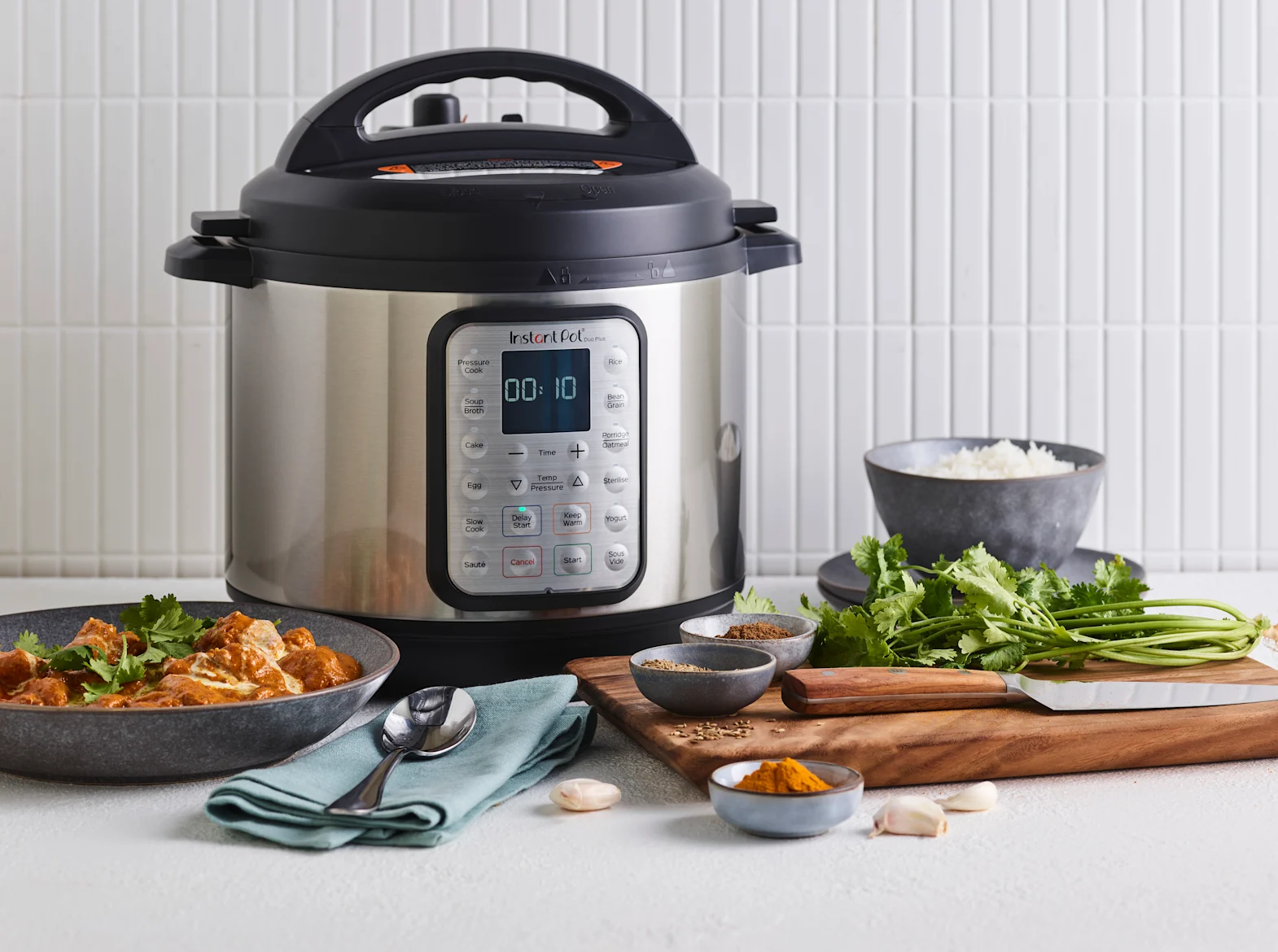
The electric pressure cooker is often what people are thinking of when they ask about a what is a rice cooker pressure cooker combo. These devices, like the famous Instant Pot, are designed to be all-in-one solutions, with dedicated buttons for making perfect rice, steaming vegetables, or slow-cooking a chili.
How to Safely Use Your Pressure Cooker: A Beginner’s Guide
The first time I used a pressure cooker, I was a little intimidated. I’d heard old stories about them rattling on the stove. But modern cookers are incredibly safe if you just follow the rules. Let’s walk through the basic steps.
- Give it a Quick Inspection: Before each use, check the rubber gasket (the sealing ring) for cracks or wear. Make sure the pressure release valve is clean and not blocked with any food debris.
- Don’t Overfill It: This is a golden rule. Never fill your pressure cooker more than two-thirds full for most foods. For foods that expand, like rice, beans, or grains, don’t fill it more than halfway. This leaves enough room for steam to build.
- Add Liquid: You must always have liquid in the pot. Pressure cooking relies on steam, and you can’t make steam without water, broth, or another liquid. Check your manual, but a minimum of 1 cup is a common requirement.
- Lock the Lid: Secure the lid according to the manufacturer’s instructions. You should hear a click or see a visual confirmation that it’s properly locked. Set the steam release valve to the “Sealing” position.
- Bring to Pressure and Cook: Select your cooking program or, for a stovetop model, turn the heat to high. Once the cooker reaches full pressure, a pin will pop up or an indicator will show. Now, you can lower the heat (for stovetop) and start your timer.
- Release the Pressure: Once the cooking time is up, you need to release the pressure before you can open the lid. There are two main ways to do this:
- Natural Release: You simply turn off the heat and let the pressure come down on its own. This can take 10-30 minutes. It’s best for meats, broths, and foods that benefit from a gentle cool-down.
- Quick Release: You carefully turn the steam release valve to the “Venting” position. Steam will shoot out forcefully. Use a long-handled spoon to avoid burns. This method is great for vegetables or seafood that you don’t want to overcook.
Expert Tip from Chef Antoine Dubois: “Always read your user manual first. Every model is slightly different. The biggest mistake beginners make is ignoring the manual and trying to guess. Your manual is your best friend for both safety and delicious results.”
|
Our Picks for the Best Pressure Cooker in 2026
As an Amazon Associate, we earn from qualifying purchases.
|
||
| Num | Product | Action |
|---|---|---|
| 1 | Presto 01362 6-Quart Stainless Steel Pressure Cooker |

|
| 2 | Instant Pot Duo 7-in-1 Mini Electric Pressure Cooker, Slow Rice Cooker, Steamer, Sauté, Yogurt Maker, Warmer & Sterilizer, Includes Free App with over 1900 Recipes, Stainless Steel, 3 Quart |
|
| 3 | Our Place Dream Cooker | 6-quart Multicooker | 4 Versatile Modes | Pressure Cook, Slow Cook, Sear & Saute, Keep Warm | Hands-Free Steam Release | Tailored Control Panel | Steam |
|
| 4 | Safety Stainless Steel Pressure Cooker, 7.4 Qt with Release Valve & Multiple Protective Devices, Cooking Pressure Canner for Steam, Canning, Stewing on All Stovetops |
|
| 5 | COSORI Pressure Cooker 6QT, Stainless Steel, 9-in-1 Multi Cooker, 12 Safety Features, Ceramic Inner Pot, Rice, Slow Cook, Sous Vide, Saute, 1100W |
|
| 6 | HealSmart 12-in-1 Multi Electric Pressure Cooker, Non-Stick 6QT Stainless Steel Pressure Cooker for Yogurt Maker, Slow Cooker, Cake, Multigrain, Dishwasher Safe |
|
| 7 | Instant Pot Duo 7-in-1 Electric Pressure Cooker, Slow Cooker, Rice, Steamer, Sauté, Yogurt Maker, Warmer & Sterilizer, Includes App With Over 800 Recipes, Stainless Steel, 6 Quart |
|
| 8 | CHEF iQ Smart Pressure Cooker with WiFi and Built-in Scale - Easy-to-Use 10-in-1 Multicooker with 500+ Guided Recipes - Rice Cooker, Slow Cooker, Instant Meals for Foodies - 6 Quart - Family Size |
|
| 9 | DUMOS 12-in-1 Electric Pressure Cooker 6 QT Stainless Steel Multi Cooker Electric for Pressure, Rice, Steamer, Yogurt Maker, Slow Cook,Meat Stew, Cake, Porridge, Multigrain, Sliver |
|
| 10 | Visit the CUCKOO Store |
|
Common Mistakes to Avoid
We’ve all been there. To help you get perfect results from the start, here are a few common pitfalls to sidestep when figuring out what is a rice cooker pressure cooker and how to use it.
- Forgetting the Liquid: No liquid, no steam, no pressure. This can scorch your food and potentially damage your cooker.
- Using the Wrong Release Method: Using a Quick Release for a foamy pot of beans can result in a messy spray from the valve. Using a Natural Release for broccoli will turn it to mush. Match the release to the food.
- Not Cleaning the Gasket and Valves: Tiny food particles can prevent a proper seal or clog the safety valves. A clean cooker is a safe and effective cooker.
The Amazing Benefits of Pressure Cooking
So, why go through the trouble of learning to use this gadget? The rewards are huge.
- Incredible Speed: Cook a pot roast in an hour instead of four. Make steel-cut oats in 10 minutes instead of 30. It’s a game-changer for busy weeknights.
- Enhanced Flavor: The high-pressure environment infuses flavor deep into the food. Meats are more succulent, and broths are richer.
- Nutrient Retention: Because cooking times are shorter and use less water, more vitamins and minerals are retained in your food compared to boiling.
- Energy Efficiency: A pressure cooker uses significantly less energy than an oven or boiling a large pot on the stove for hours.
A Simple Safety Checklist
Before you press “Start,” run through this quick mental checklist:
- [ ] Is the sealing ring properly seated in the lid?
- [ ] Are the pressure valves clean and clear?
- [ ] Have I added at least the minimum amount of liquid required?
- [ ] Is the pot filled below the max-fill line?
- [ ] Is the lid securely locked in place?
Cleaning and Maintaining Your Pressure Cooker
Keeping your pressure cooker in top shape is easy. After each use, hand-wash the pot, lid, and sealing ring with warm, soapy water. Never put the lid of an electric pressure cooker in the dishwasher, as it can damage the electronics and safety mechanisms. Pay special attention to the gasket and valves, ensuring they are free of any residue. Store the lid upside down on top of the pot to allow air to circulate and prevent odors from getting trapped in the gasket.
Frequently Asked Questions
What’s the difference between a pressure cooker and an Instant Pot?
An Instant Pot is a brand name for a type of electric multicooker. So, while all Instant Pots are electric pressure cookers, not all electric pressure cookers are Instant Pots. The term has become almost synonymous with the category, much like Kleenex for tissues.
Can a pressure cooker actually explode?
Modern pressure cookers are built with multiple, redundant safety features, like locking lids that cannot be opened under pressure and emergency pressure release valves. As long as you use the device as intended and maintain it properly, the risk of an explosion is virtually nonexistent.
Is a pressure cooker better than a slow cooker?
They serve different purposes. A pressure cooker is for cooking food fast. A slow cooker is for cooking food, well, slowly over many hours. Many electric pressure cookers now include a slow cooker function, giving you the best of both worlds in one appliance.
Can I cook frozen meat in a pressure cooker?
Yes, you can! This is one of the major advantages. You’ll need to increase the cooking time, typically by about 50%, but you can go straight from freezer to pot, which is a lifesaver on disorganized days.
What foods should I not cook in a pressure cooker?
Avoid very delicate foods that cook quickly, like some fish fillets. You should also be cautious with foods that foam excessively, like cranberries or split peas, and ensure you don’t overfill the pot. Also, never try to deep-fry in a pressure cooker.
Your New Kitchen MVP
So, what is a rice cooker pressure cooker? It’s your secret weapon for creating delicious, healthy meals in a fraction of the time. It’s the device that transforms tough, inexpensive cuts of meat into fall-apart tender masterpieces. It’s the tool that gives you back precious time on a busy weeknight. Whether you choose a classic stovetop model or a feature-packed electric multicooker, embracing pressure cooking opens up a new world of culinary possibilities. It’s time to stop being intimidated and start exploring all the amazing dishes you can create.