Welcome to the magical, time-saving world of pressure cooking! If you’ve just unboxed your shiny new pressure cooker, you’re probably a mix of excited and, let’s be honest, a little intimidated. That hissing sound, the steam, the locked lid—it can seem like a experiment. But at the heart of controlling this powerful tool is one crucial, often misunderstood component. So, What Is A Pressure Release Valve? Think of it as the traffic cop for your pressure cooker, the gatekeeper of steam, and your single most important safety feature. It’s the part that ensures everything inside cooks under perfect, controlled pressure, and more importantly, that it does so safely.
The Unsung Hero: The Pressure Release Valve Explained
At its core, the pressure release valve is a weighted or spring-loaded mechanism on the lid of your pressure cooker designed to automatically vent steam once the pressure inside reaches a specific, safe level. It’s the component responsible for that signature hissing or jiggling sound you associate with pressure cooking.
Think of it like this: as water inside the pot heats up past its boiling point, it creates a massive amount of steam. This steam is trapped, building up pressure. The pressure release valve’s job is to act as a controlled exit. It holds the pressure in until it hits the target (usually around 10-15 PSI), and then it opens just enough to release excess steam, preventing the pressure from climbing to dangerous levels. It’s the brilliant, simple piece of engineering that makes pressure cooking both fast and safe.
How Does It Actually Work? A Simple Analogy
Imagine you’re trying to fill a bucket with a hole in the bottom. If you pour water in slowly, the water will just leak out. But if you pour water in faster than it can leak out, the water level will rise.
The pressure cooker is the bucket, the heat from your stove is the water you’re pouring in, and the what is a pressure release valve is the hole. Your cooker builds steam (pours in water) faster than the valve can release it, causing the pressure to rise. Once it hits the desired level, the valve opens just enough to let steam escape at the same rate it’s being created, perfectly maintaining the pressure inside. It’s a beautifully simple balancing act.
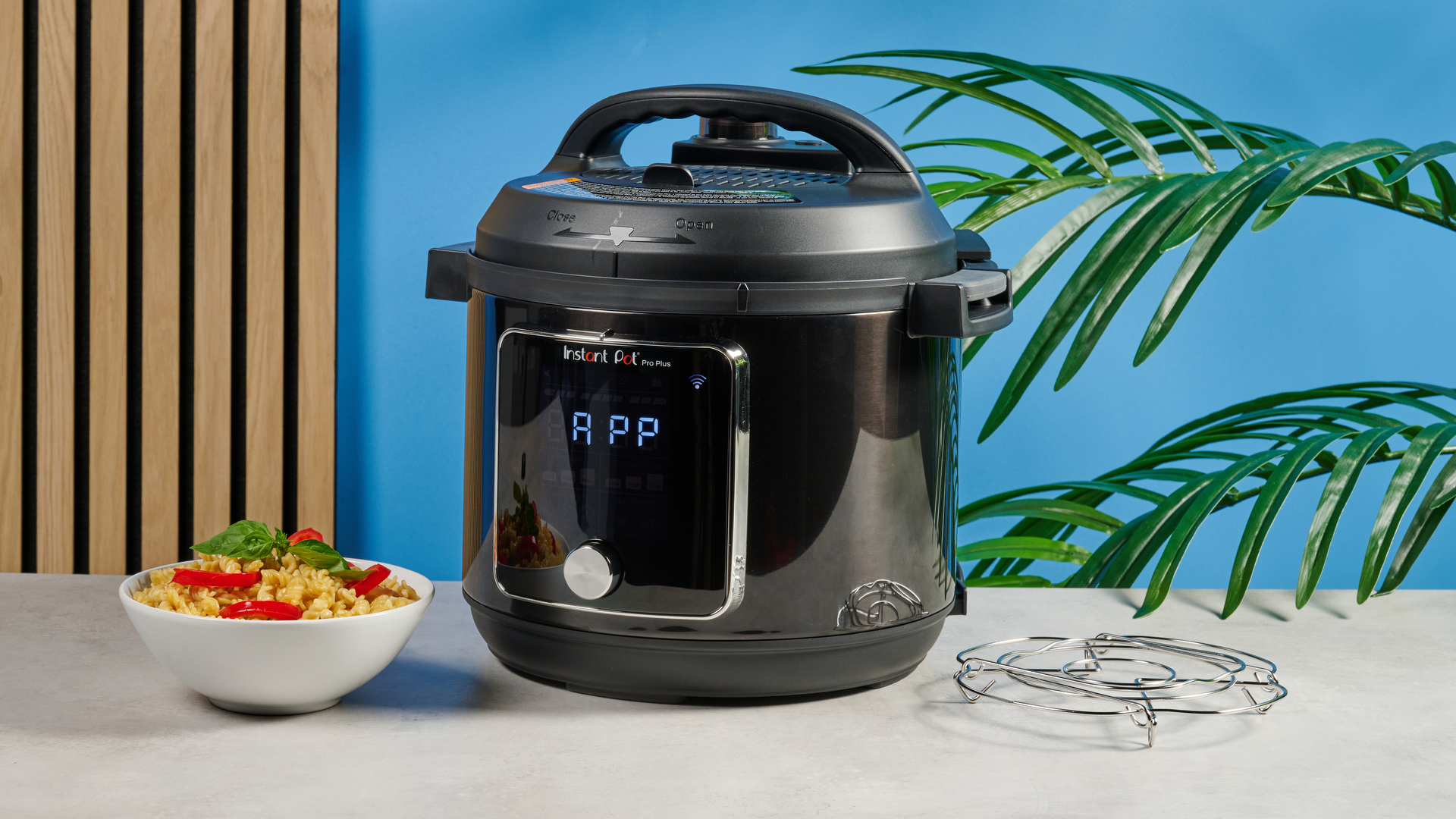
Your Two Paths to Depressurization: Natural vs. Quick Release
Once your food is cooked, you can’t just yank the lid off. The pressure inside is still high, and the lid is locked for your safety. You need to release that pressure first, and the pressure release valve gives you two ways to do it. Understanding the difference is a game-changer for your cooking results.
Natural Pressure Release (NPR): The Low and Slow Method
Natural release is exactly what it sounds like. You simply turn off the heat and let the cooker sit. Over 10-30 minutes, the pot will gradually cool down, the steam inside will condense back into liquid, and the pressure will slowly drop on its own. The float valve (a little metal pin) will eventually drop, signaling that it’s safe to open the lid.
When to Use NPR:
- Tough cuts of meat: The gentle, extended cooking time helps to tenderize meats like roasts, pulled pork, or brisket.
- Foamy or starchy foods: Things like beans, lentils, grains, and soups can foam up and spew hot liquid out of the valve if you use a quick release. NPR prevents a messy (and potentially dangerous) kitchen eruption.
- Rich broths and stocks: A slow release keeps the liquid clear and prevents it from getting cloudy.
Quick Release (QR): When You Need Dinner on the Table
Quick release is the active method. You carefully turn the what is a pressure release valve from the “Sealing” to the “Venting” position. This will immediately release a powerful jet of hot steam. It’s loud, dramatic, and very fast—the pressure is usually gone in a minute or two. Always use an oven mitt or a long-handled spoon to turn the valve to keep your hand away from the steam.
When to Use QR:
- Delicate foods: For vegetables, fish, and seafood that you want to stop cooking immediately to prevent them from turning to mush. Think perfectly steamed broccoli or shrimp.
- When adding ingredients: If a recipe requires you to add quick-cooking ingredients at the end, you’ll use a quick release, add the food, and then bring the pot back up to pressure.
Expert Tip from Chef Amelia Thorne: “Newcomers are often scared of the quick release. Don’t be! Just respect it. Never put your face or hands over the valve, and make sure your cooker is clear of any overhead cabinets. Mastering both natural and quick release is the key to unlocking your pressure cooker’s full potential.”
The Role of the Pressure Release Valve in Modern Safety
Let’s bust a myth right now: modern pressure cookers are incredibly safe. The horror stories you might have heard from your grandparents are from a different era of devices. Today’s cookers, whether they are a simple stovetop pressure cooker or a feature-packed electric pressure cooker, have multiple, redundant safety systems built-in, and the pressure release valve is the first line of defense.
- Primary Regulator: This is the main valve we’ve been discussing. It actively manages the pressure during cooking.
- Secondary Safety Valves: If the primary valve were to somehow become clogged (say, by a stray bean), a secondary valve would automatically release pressure at a slightly higher PSI to prevent any danger.
- Lid Lock: You physically cannot open the lid of a pressure cooker while it is pressurized. A pin locks it in place, and it will not disengage until the pressure has returned to a normal, safe level.
|
Our Picks for the Best Pressure Cooker in 2025
As an Amazon Associate, we earn from qualifying purchases.
|
||
| Num | Product | Action |
|---|---|---|
| 1 | Visit the CUCKOO Store |

|
| 2 | Our Place Dream Cooker | 6-quart Multicooker | 4 Versatile Modes | Pressure Cook, Slow Cook, Sear & Saute, Keep Warm | Hands-Free Steam Release | Tailored Control Panel | Steam |
|
| 3 | Instant Pot Duo 7-in-1 Mini Electric Pressure Cooker, Slow Rice Cooker, Steamer, Sauté, Yogurt Maker, Warmer & Sterilizer, Includes Free App with over 1900 Recipes, Stainless Steel, 3 Quart |
|
| 4 | CHEF iQ Smart Pressure Cooker with WiFi and Built-in Scale - Easy-to-Use 10-in-1 Multicooker with 500+ Guided Recipes - Rice Cooker, Slow Cooker, Instant Meals for Foodies - 6 Quart - Family Size |
|
| 5 | Safety Stainless Steel Pressure Cooker, 7.4 Qt with Release Valve & Multiple Protective Devices, Cooking Pressure Canner for Steam, Canning, Stewing on All Stovetops |
|
| 6 | HealSmart 12-in-1 Multi Electric Pressure Cooker, Non-Stick 6QT Stainless Steel Pressure Cooker for Yogurt Maker, Slow Cooker, Cake, Multigrain, Dishwasher Safe |
|
| 7 | DUMOS 12-in-1 Electric Pressure Cooker 6 QT Stainless Steel Multi Cooker Electric for Pressure, Rice, Steamer, Yogurt Maker, Slow Cook,Meat Stew, Cake, Porridge, Multigrain, Sliver |
|
| 8 | Presto 01362 6-Quart Stainless Steel Pressure Cooker |
|
| 9 | Instant Pot Duo 7-in-1 Electric Pressure Cooker, Slow Cooker, Rice, Steamer, Sauté, Yogurt Maker, Warmer & Sterilizer, Includes App With Over 800 Recipes, Stainless Steel, 6 Quart |
|
| 10 | COSORI Pressure Cooker 6QT, Stainless Steel, 9-in-1 Multi Cooker, 12 Safety Features, Ceramic Inner Pot, Rice, Slow Cook, Sous Vide, Saute, 1100W |
|
Common Mistakes to Avoid (We’ve All Made Them!)
Using your pressure release valve correctly is easy once you get the hang of it, but a few common mistakes can trip up beginners.
- Forgetting to Set it to “Sealing”: This is the most common error! If you leave the valve on “Venting” when you start cooking, the steam will just escape, and your pot will never reach pressure.
- Overfilling the Pot: Never fill your pressure cooker more than two-thirds full (or half-full for foamy foods like beans). Overfilling can cause food particles to clog the valve, which is a major safety risk.
- Using Quick Release on Foamy Foods: Releasing pressure too quickly from a pot of split pea soup is a recipe for a green ceiling. Always use a natural release for these types of recipes.
- Not Cleaning the Valve: Food residue and oils can build up over time. A dirty valve might not seal or vent properly. Check your manual for instructions on how to clean it.
Maintaining Your Pressure Release Valve
Keeping your valve in top shape is simple. After each use, once the cooker is cool, remove the valve (if your model allows) and the anti-block shield on the underside of the lid.
- Wash them with warm, soapy water.
- Use a small brush or a toothpick to gently clear any debris from the vent holes.
- Rinse thoroughly and allow them to air dry completely.
- Reassemble before your next use.
This simple, two-minute check ensures your cooker operates safely and efficiently for years to come. For more tips, check out our full pressure cooker maintenance guide.
Frequently Asked Questions (FAQ)
Q: What’s the difference between a pressure release valve and a float valve?
A: The pressure release valve (or steam release handle) is what you manually turn to vent the cooker and what automatically vents excess pressure during cooking. The float valve is the small metal pin that pops up to seal the cooker when it reaches pressure and drops down when it’s safe to open.
Q: My pressure release valve is leaking steam the whole time. Is it broken?
A: A little bit of steam sputtering as the pot comes to pressure is normal. However, if it’s constantly leaking a steady stream of steam during the entire cook time, you may have an issue. First, check that the valve is fully in the “Sealing” position. If it is, you might have a worn-out or dirty sealing ring.
Q: Can the pressure release valve get clogged?
A: Yes, it can, which is why it’s so important not to overfill your cooker and to clean the valve regularly. Clogging is rare in modern cookers due to anti-block shields, but proper use and maintenance are the best prevention.
Q: Is the hissing sound from the valve supposed to be constant?
A: On a stovetop “jiggler” model, yes, a constant, rhythmic rocking or hissing is normal. On most modern electric pressure cookers, the valve will release steam in short, quiet bursts periodically to maintain pressure, but it won’t be a constant loud hiss.
Q: How do I know when a Natural Pressure Release is finished?
A: The float valve (the metal pin) will drop down, making a distinct “click.” Once that pin has dropped, the pressure is gone, and it’s safe to unlock and open the lid.
Your Key to Confident Cooking
So, what is a pressure release valve? It’s more than just a knob on a lid. It’s the conductor of your pressure-cooking orchestra, the guardian of your safety, and the tool that gives you precise control over your culinary creations. By understanding how it works and how to use its natural and quick release functions, you’ve taken the biggest step toward mastering your pressure cooker. Now you can move forward with confidence, ready to explore a world of faster, more flavorful, and incredibly convenient meals.