Ever dream of a pantry lined with gleaming jars of garden-fresh vegetables, hearty soups, and savory meats, all ready to enjoy at a moment’s notice? That self-sufficient dream is made possible by a remarkable piece of kitchen equipment. If you’re exploring home food preservation, you’ve likely come across a crucial question: What Is A Pressure Canner? Let’s be honest, it sounds a bit intimidating, like something straight out of a science lab. But I promise you, once you understand what it is and why it’s so essential, it will become one of the most empowering tools in your kitchen.
A pressure canner is not just a big pot. It’s a specialized, heavy-duty vessel designed to heat low-acid foods to a temperature high enough to kill harmful microorganisms, specifically the spores of Clostridium botulinum, which can cause botulism. By creating a high-pressure, high-temperature steam environment, it makes preserving foods like green beans, corn, meats, and fish not just possible, but safe for long-term storage.
The Science Behind the Seal: How Does a Pressure Canner Work?
So, how does this magic happen? A pressure canner works on a simple principle of physics: when you increase pressure, you increase the boiling point of water. At sea level, water boils at 212°F (100°C), which is hot enough to kill most bacteria but not the resilient botulism spores. These tough little guys can survive boiling temperatures.
A pressure canner traps steam, building up pressure inside the pot. At 10-15 pounds per square inch (PSI) of pressure, the temperature inside the canner climbs to 240-250°F (116-121°C). This superheated steam penetrates the food in the jars, reaching a temperature that is lethal to botulism spores, ensuring your home-canned food is safe to eat.
Pressure Canner vs. Pressure Cooker: The Critical Difference
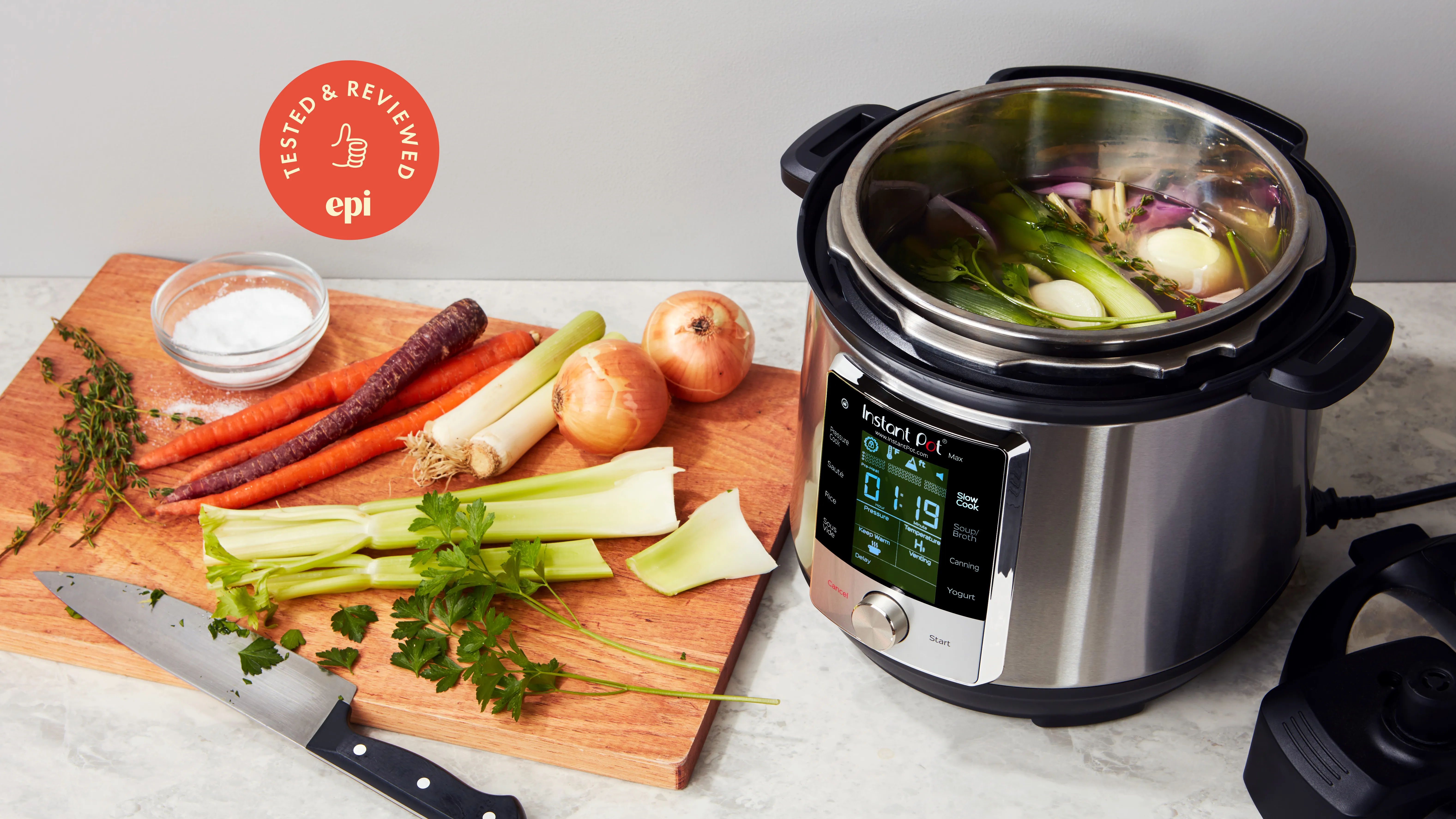
This is probably the most important distinction to understand, and it’s a matter of safety. While they look similar and both use pressure, a pressure canner and a modern electric pressure cooker (like an Instant Pot) are not interchangeable for canning low-acid foods.
Think of it this way: a pressure cooker is a sprinter, designed to cook food fast. A pressure canner is a marathon runner, built for the endurance and precision required for safe preservation.
Here’s a breakdown of the key differences:
| Feature | Pressure Canner | Electric Pressure Cooker |
|---|---|---|
| Primary Purpose | Safely processing low-acid foods for shelf storage. | Cooking meals quickly. |
| Size | Large and tall, designed to hold at least 4 quart-sized jars. | Generally smaller, holding a few pints at most. |
| Pressure Monitoring | Uses a calibrated dial gauge or a weighted gauge to accurately measure and maintain specific pressure levels (PSI). | Uses internal sensors to regulate pressure for cooking, not for canning safety standards. |
| Safety Standard | Must be able to reliably maintain the pressure and temperature required by USDA guidelines. | Not tested or certified for USDA canning guidelines. The temperature can fluctuate. |
As Chef Maria Rodriguez, a culinary preservation expert, often says, “A pressure canner isn’t just a pot; it’s a scientific instrument for your kitchen. Respecting the process and the pressure is the key to safe, delicious results every time.”
The bottom line is simple: you should never use a multi-cooker or electric pressure cooker for canning low-acid foods. The risk of botulism is just too high. They are fantastic for making a quick beef stew, but not for preserving it.
Getting to Know Your Pressure Canner: Key Components
When you unbox your first pressure canner, you’ll see a few key parts. Understanding them is the first step to becoming confident in using it.
- The Pot: A heavy, large-capacity pot, usually made of aluminum or stainless steel.
- The Lid: A locking lid that creates an airtight seal. It will have several important features built into it.
- Pressure Gauge: This is the most crucial part. It tells you the pressure level inside. There are two main types:
- Dial Gauge: Shows the exact PSI on a numbered dial. It needs to be tested for accuracy every year.
- Weighted Gauge: A small weight that sits on the vent pipe and jiggles or rocks when the correct pressure is reached. It’s simple and doesn’t require testing.
- Vent Pipe (or Steam Vent): A small pipe on the lid that allows air to be exhausted before pressurizing.
- Safety Valve: A backup mechanism that will release excess pressure automatically if the main vent gets clogged.
|
Our Picks for the Best Pressure Cooker in 2025
As an Amazon Associate, we earn from qualifying purchases.
|
||
| Num | Product | Action |
|---|---|---|
| 1 | COSORI Pressure Cooker 6QT, Stainless Steel, 9-in-1 Multi Cooker, 12 Safety Features, Ceramic Inner Pot, Rice, Slow Cook, Sous Vide, Saute, 1100W |

|
| 2 | Instant Pot Duo 7-in-1 Mini Electric Pressure Cooker, Slow Rice Cooker, Steamer, Sauté, Yogurt Maker, Warmer & Sterilizer, Includes Free App with over 1900 Recipes, Stainless Steel, 3 Quart |
|
| 3 | Instant Pot Duo 7-in-1 Electric Pressure Cooker, Slow Cooker, Rice, Steamer, Sauté, Yogurt Maker, Warmer & Sterilizer, Includes App With Over 800 Recipes, Stainless Steel, 6 Quart |
|
| 4 | Safety Stainless Steel Pressure Cooker, 7.4 Qt with Release Valve & Multiple Protective Devices, Cooking Pressure Canner for Steam, Canning, Stewing on All Stovetops |
|
| 5 | Visit the CUCKOO Store |
|
| 6 | Presto 01362 6-Quart Stainless Steel Pressure Cooker |
|
| 7 | DUMOS 12-in-1 Electric Pressure Cooker 6 QT Stainless Steel Multi Cooker Electric for Pressure, Rice, Steamer, Yogurt Maker, Slow Cook,Meat Stew, Cake, Porridge, Multigrain, Sliver |
|
| 8 | CHEF iQ Smart Pressure Cooker with WiFi and Built-in Scale - Easy-to-Use 10-in-1 Multicooker with 500+ Guided Recipes - Rice Cooker, Slow Cooker, Instant Meals for Foodies - 6 Quart - Family Size |
|
| 9 | Our Place Dream Cooker | 6-quart Multicooker | 4 Versatile Modes | Pressure Cook, Slow Cook, Sear & Saute, Keep Warm | Hands-Free Steam Release | Tailored Control Panel | Steam |
|
| 10 | HealSmart 12-in-1 Multi Electric Pressure Cooker, Non-Stick 6QT Stainless Steel Pressure Cooker for Yogurt Maker, Slow Cooker, Cake, Multigrain, Dishwasher Safe |
|
A Beginner’s Guide to Using a Pressure Canner Safely
The first time I used my pressure canner, I felt a mix of excitement and nervousness. I followed the instructions to the letter, and the satisfying ‘pop’ of the sealing jars a few hours later was music to my ears. Here is a simplified, step-by-step overview to demystify the process. Always read and follow the specific instructions for your model and your tested canning recipe.
- Preparation is Key: Place the canning rack in the bottom of the canner. Add the amount of water specified in your recipe (usually 2-3 inches). Turn on the heat and start warming the water.
- Pack Your Jars: Prepare your food and pack it into clean, hot canning jars, leaving the correct amount of “headspace” (the empty space at the top) as directed by the recipe.
- Seal the Jars: Wipe the rims of the jars clean, place the lids on top, and screw on the rings until they are just “fingertip tight.” Don’t overtighten them!
- Load the Canner: Carefully place the jars on the rack inside the canner. Make sure they aren’t touching each other.
- Vent the Steam: Lock the lid in place, but leave the weight off the vent pipe (or keep the petcock open). Turn the heat to high. Let a steady, strong funnel of steam vent from the pipe for a full 10 minutes. This step is critical to push all the air out.
- Pressurize: After 10 minutes of venting, place the weight on the vent pipe. The pressure will now begin to build. Watch the dial gauge or listen for the weighted gauge.
- Process the Food: Once the canner reaches the target pressure (e.g., 10 PSI), start your timer for the processing time specified in your recipe. You’ll need to adjust the heat on your stove to keep the pressure steady.
- Cool Down Naturally: When the time is up, turn off the heat. Do not try to rush the cooling process. Let the canner cool down on its own until the pressure gauge reads zero. This can take 30-60 minutes.
- Open Safely: Once the pressure is at zero, carefully remove the weight from the vent pipe. Wait another 10 minutes before unlocking and opening the lid. Always open the lid away from your face to avoid any residual steam.
- Admire Your Work: Use a jar lifter to remove the hot jars and place them on a towel on the counter to cool for 12-24 hours. Listen for the beautiful sound of the lids sealing!
Common Mistakes to Avoid
Part of gaining experience is learning from mistakes. Here are a few common ones to steer clear of:
- Ignoring Headspace: Too little or too much headspace can prevent a proper seal.
- Forgetting to Vent: Trapped air can result in under-processing and unsafe food. Don’t skip the 10-minute venting step.
- Forcing the Cool-Down: Running cold water over the canner can cause jars to break and food to be unsafe. Patience is a virtue in canning.
- Using Untested Recipes: Only use recipes from reliable sources like the USDA or Ball Canning. Canning is a science, not a creative cooking session.
Frequently Asked Questions (FAQ)
Q1: What foods require a pressure canner?
A: Any low-acid food must be pressure canned for safety. This includes all vegetables (like green beans, corn, potatoes), meats, poultry, fish, and combination recipes like soups and stews. High-acid foods like most fruits, jams, and pickles can be safely processed in a simple boiling water bath canner.
Q2: How is a pressure canner different from a water bath canner?
A: A water bath canner is simply a large pot with a rack that processes high-acid foods at boiling temperature (212°F). A pressure canner is a sealed vessel that reaches a much higher temperature (240°F+) to safely process low-acid foods.
Q3: Is pressure canning dangerous?
A: Modern pressure canners are very safe when used correctly. They have multiple safety features like locking lids and safety valves. The danger comes from not following instructions, such as trying to open the canner while it’s still under pressure.
Q4: How often should I get my dial gauge tested?
A: It is recommended to have your dial gauge tested for accuracy every year before your canning season begins. You can often get this done at your local county extension office. Weighted gauges do not need testing.
Q5: Can I pressure can on a glass-top stove?
A: It depends. You must check the manual for both your stove and your pressure canner. Some glass-top stoves are not designed to handle the sustained high heat and heavy weight of a fully loaded canner.
The Final Word on Pressure Canners
Understanding what is a pressure canner is the first step on an incredibly rewarding journey. It’s more than just a kitchen appliance; it’s a gateway to a healthier, more sustainable lifestyle. It allows you to capture the peak freshness of the harvest, control the ingredients in your food, and feel a deep sense of accomplishment. While it demands respect and careful attention to detail, the process is straightforward. With a reliable pressure canner and a trusted recipe, you can fill your pantry with safe, delicious, home-preserved foods to enjoy all year long.