Ever feel like you’re in a constant battle against the clock, especially when it comes to dinner? You want a wholesome, delicious meal, but by the time you get home, the idea of spending an hour or more in the kitchen feels exhausting. If this sounds familiar, I want to introduce you to your new best friend in the kitchen. Let’s talk about what is a pressure cooker. It’s not just another pot; it’s a time-saving, flavor-boosting, and energy-efficient marvel that has completely transformed the way I cook, and I’m confident it will do the same for you.
At its core, a pressure cooker is a sealed pot that cooks food under high-pressure steam. By trapping the steam produced from the liquid inside, it raises the internal pressure and, with it, the boiling point of water. This super-heated environment cooks food up to 70% faster than traditional methods, all while locking in more nutrients and flavor. Think fall-off-the-bone ribs in under an hour or a hearty bean chili from scratch in minutes, not hours.
A Brief Sizzle Through History
Pressure cookers might seem like a modern invention, especially with the rise of electric multi-cookers, but their history goes way back. The concept was invented in the 17th century by a French physicist named Denis Papin, who called his invention the “Steam Digester.” His goal was to cook food faster using the power of steam pressure. Early models were, to put it mildly, a bit intimidating. But thankfully, technology has come a long way, and today’s pressure cookers are packed with safety features that make them as safe as any other kitchen appliance.
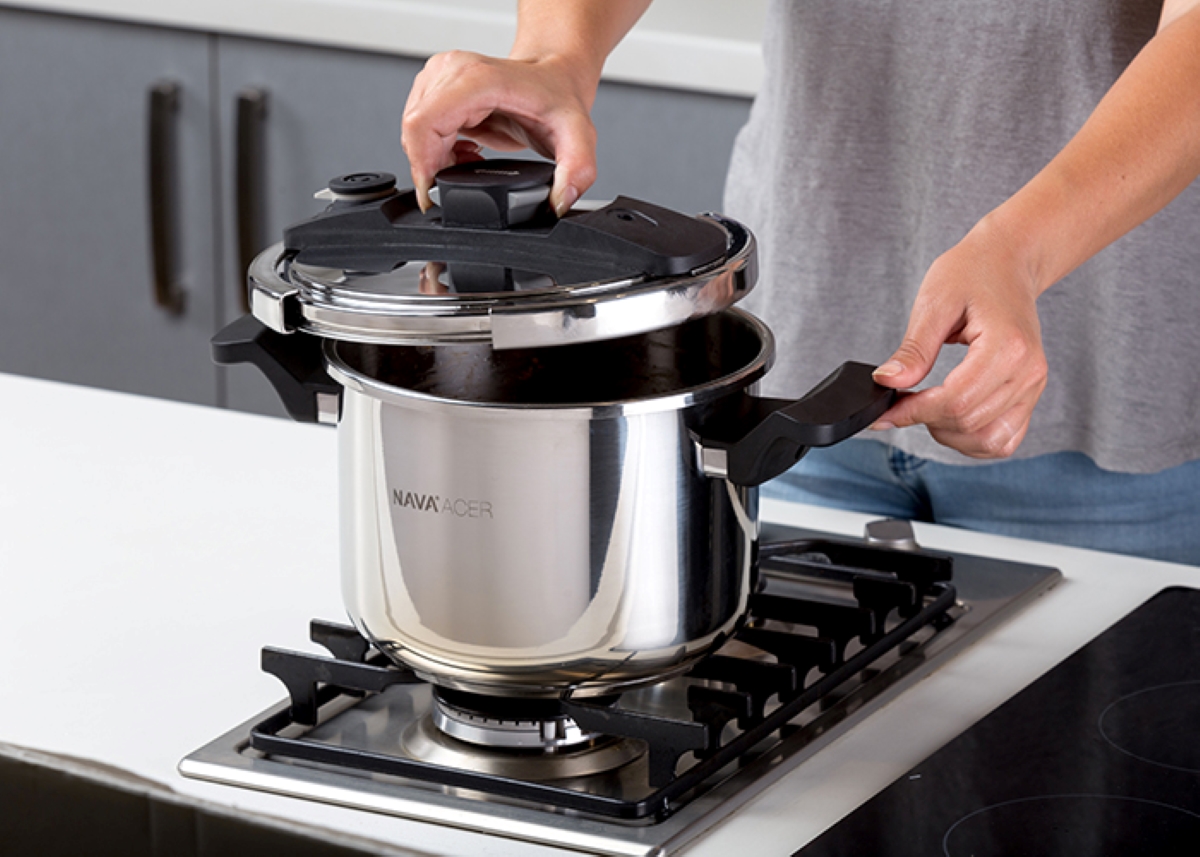
How Does a Pressure Cooker Work Its Magic?
So, how does this clever device turn a tough cut of beef into a fork-tender masterpiece so quickly? It’s all about physics, but don’t worry, it’s simpler than it sounds.
A pressure cooker works by creating a high-pressure environment inside a sealed pot. When you heat liquid (like water or broth) inside the locked pot, it turns into steam. Because the steam can’t escape, it builds up, increasing the pressure inside. This increased pressure raises the boiling point of water from its standard 212°F (100°C) to as high as 250°F (121°C). This superheated steam forces moisture into the food, cooking it incredibly fast. It’s like a high-speed train for your dinner.
The Two Main Players: Stovetop vs. Electric Pressure Cookers
When you start your search, you’ll find two main types of pressure cookers. Both are fantastic, but they suit different cooking styles. I’ve used both extensively, and each has its own charm.
The Classic Stovetop Pressure Cooker
This is the traditional model your grandma might have used, but updated for the modern era. It’s a heavy-duty pot with a locking lid that you use on your gas or electric stove.
- Pros: They can typically reach a higher pressure (around 15 PSI) than electric models, meaning they cook even faster. They are also simpler mechanically, often more durable, and take up less counter space when stored.
- Cons: You need to monitor them. You’re in charge of adjusting the stove’s heat to maintain the correct pressure, and there’s no built-in timer to shut it off for you.
The Modern Electric Pressure Cooker (Multi-Cooker)
This is the “set it and forget it” champion, popularized by brands like Instant Pot. These are countertop appliances that plug into the wall and do most of the work for you.
- Pros: They are incredibly user-friendly. You select a program, press a button, and walk away. They maintain pressure automatically and often have multiple functions, acting as a slow cooker, rice cooker, steamer, and even a yogurt maker.
- Cons: They generally operate at a slightly lower pressure (around 10-12 PSI) than stovetop models, so cooking times can be a little longer. They also take up permanent counter or pantry space.
Getting Started: A Beginner’s Guide to Using Your Pressure Cooker Safely
I remember my first time using a pressure cooker. I was a bit nervous, haunted by old stories of kitchen mishaps. But let me reassure you: modern pressure cookers are built with multiple, redundant safety features. Follow these simple steps, and you’ll be a confident pressure-cooking pro in no time.
First, let’s talk about the built-in safety mechanisms you’ll find on any modern unit:
- Locking Lid: The cooker will not build pressure unless the lid is securely locked in place.
- Pressure Indicator: A pin or valve that physically pops up to show you when the pot is pressurized. You cannot open the lid while this is up.
- Primary and Secondary Safety Valves: These automatically release steam if the pressure gets too high, preventing any danger.
- Gasket: This silicone or rubber ring creates the airtight seal. If it’s not seated properly, steam will leak out and the pot won’t pressurize.
Here is a step-by-step guide to your first cook:
- Check Your Equipment: Before each use, give your gasket a quick check to make sure it’s clean and not cracked. Ensure the pressure valves are clear of any food debris.
- Add Liquid: This is the most important rule. You must always have at least one cup of liquid (water, broth, etc.) in the pot. No liquid, no steam, no pressure.
- Don’t Overfill: Never fill your pressure cooker more than two-thirds full for most foods, and only half-full for foods that expand, like beans, grains, and pasta. There are handy max-fill lines inside the pot.
- Lock the Lid and Set the Valve: Secure the lid according to the manufacturer’s instructions. If you’re using an electric model, make sure the steam release valve is set to the “Sealing” position.
- Cook! Select your setting on an electric model or bring your stovetop model to pressure over high heat, then reduce the heat to maintain it.
- Release the Pressure: Once cooking is done, you need to release the pressure before opening the lid. You have two main options:
- Natural Release (NR): You simply turn off the heat and let the pot cool down on its own. The pressure will slowly drop over 10-20 minutes. This is best for meats you want to keep tender and for foamy foods like beans.
- Quick Release (QR): You manually open the steam release valve to let the steam vent out rapidly. Use an oven mitt or a long-handled spoon to do this, as the steam is extremely hot! This is ideal for vegetables or seafood that you don’t want to overcook.
Expert Tip: As Chef Amelia Thorne, a specialist in kitchen equipment, often says, “The biggest mistake beginners make is being impatient with the pressure release. Respect the process. Let the pot tell you when it’s ready to open. Never, ever force the lid.”
Common Mistakes to Avoid (We’ve All Been There!)
Learning what not to do is just as important as learning what to do. Here are a few common pitfalls to steer clear of:
- Forgetting the Liquid: I can’t stress this enough. It will scorch your food and you won’t build any pressure.
- Overfilling the Pot: This is a safety issue. It can clog the valves and cause a messy spray of hot food during release.
- Using the Wrong Release Method: Using a quick release for a pot full of split pea soup can result in a green geyser all over your kitchen. Trust me on this one.
- Not Cleaning the Gasket and Valves: Food particles can prevent a proper seal or block the safety mechanisms. A quick rinse and wipe-down is all it takes.
|
Our Picks for the Best Pressure Cooker in 2026
As an Amazon Associate, we earn from qualifying purchases.
|
||
| Num | Product | Action |
|---|---|---|
| 1 | Safety Stainless Steel Pressure Cooker, 7.4 Qt with Release Valve & Multiple Protective Devices, Cooking Pressure Canner for Steam, Canning, Stewing on All Stovetops |

|
| 2 | Our Place Dream Cooker | 6-quart Multicooker | 4 Versatile Modes | Pressure Cook, Slow Cook, Sear & Saute, Keep Warm | Hands-Free Steam Release | Tailored Control Panel | Steam |
|
| 3 | Visit the CUCKOO Store |
|
| 4 | CHEF iQ Smart Pressure Cooker with WiFi and Built-in Scale - Easy-to-Use 10-in-1 Multicooker with 500+ Guided Recipes - Rice Cooker, Slow Cooker, Instant Meals for Foodies - 6 Quart - Family Size |
|
| 5 | Instant Pot Duo 7-in-1 Electric Pressure Cooker, Slow Cooker, Rice, Steamer, Sauté, Yogurt Maker, Warmer & Sterilizer, Includes App With Over 800 Recipes, Stainless Steel, 6 Quart |
|
| 6 | COSORI Pressure Cooker 6QT, Stainless Steel, 9-in-1 Multi Cooker, 12 Safety Features, Ceramic Inner Pot, Rice, Slow Cook, Sous Vide, Saute, 1100W |
|
| 7 | DUMOS 12-in-1 Electric Pressure Cooker 6 QT Stainless Steel Multi Cooker Electric for Pressure, Rice, Steamer, Yogurt Maker, Slow Cook,Meat Stew, Cake, Porridge, Multigrain, Sliver |
|
| 8 | Instant Pot Duo 7-in-1 Mini Electric Pressure Cooker, Slow Rice Cooker, Steamer, Sauté, Yogurt Maker, Warmer & Sterilizer, Includes Free App with over 1900 Recipes, Stainless Steel, 3 Quart |
|
| 9 | HealSmart 12-in-1 Multi Electric Pressure Cooker, Non-Stick 6QT Stainless Steel Pressure Cooker for Yogurt Maker, Slow Cooker, Cake, Multigrain, Dishwasher Safe |
|
| 10 | Presto 01362 6-Quart Stainless Steel Pressure Cooker |
|
Why You Absolutely Need a Pressure Cooker in Your Kitchen
Still on the fence? Let’s break down the incredible benefits that make understanding what is a pressure cooker a game-changer for any home cook.
Saves an Incredible Amount of Time and Energy
This is the headline feature. A pot roast that normally takes 3-4 hours in the oven can be perfectly tender in about 60 minutes. Because it cooks so fast, you also use significantly less energy, whether it’s electricity or gas.
Locks in Nutrients and Flavor
Traditional boiling can leach vitamins and minerals out of your food and into the cooking water, which you then discard. Pressure cooking uses very little water, and the sealed environment means all the flavor and nutrients are trapped and infused directly into your meal. Vegetables come out more vibrant and flavorful.
Tenderizes Tough (and Cheaper) Cuts of Meat
That chuck roast or pork shoulder that’s tough as leather? A pressure cooker breaks down the tough connective tissues in a fraction of the time, turning inexpensive cuts of meat into melt-in-your-mouth delights. It’s a fantastic way to save money on groceries without sacrificing quality.
Keeping Your Pressure Cooker in Tip-Top Shape
Your pressure cooker is a workhorse, and a little bit of care will keep it running safely and efficiently for years.
- After Every Use: Wash the inner pot, the lid, and the silicone gasket with warm, soapy water.
- The Gasket: Remove the gasket to clean it and the lid groove thoroughly. Let it air dry completely before putting it back.
- Valves and Vents: Use a small brush or a paperclip to gently clean out the steam release valve and the anti-block shield to ensure they are clear of debris.
- Storage: Don’t store the cooker with the lid sealed tightly. This can compress the gasket and trap odors. Instead, rest the lid upside down on top of the pot.
Frequently Asked Questions
Is a pressure cooker safe to use?
Yes, absolutely. Modern pressure cookers are equipped with multiple safety features, including locking lids and pressure-release valves, that make them extremely safe when used according to the instructions. The “exploding” reputation comes from decades-old models that lacked these features.
Can I cook frozen food in a pressure cooker?
You can! This is another huge time-saver. You can cook frozen chicken, beef, and more directly in the pressure cooker. You’ll just need to increase the cooking time, typically by about 50%, to account for the thawing process.
What foods should I not cook in a pressure cooker?
Avoid very delicate foods that cook quickly, like some fish fillets, as they can turn to mush. Also, be cautious with foods that foam excessively, like cranberries or pasta, and be sure not to overfill the pot. You should also avoid deep-frying in a pressure cooker.
How do I know how long to cook things for?
Your pressure cooker will come with a manual that includes a cooking time chart for various foods. There are also countless reliable resources and recipes online that provide precise timings for everything from artichokes to oxtail.
What does PSI mean?
PSI stands for “Pounds per Square Inch” and it’s the unit used to measure the pressure inside the cooker. Most recipes are written for “high pressure,” which is about 10-12 PSI on an electric model and up to 15 PSI on a stovetop model.
Your Culinary Adventure Awaits
So, what is a pressure cooker? It’s more than just a pot. It’s a tool that gives you back your time, makes your food more delicious and nutritious, and opens up a whole new world of quick and easy meals. It empowers you to cook from scratch on a busy weeknight, to experiment with new cuisines, and to serve up incredible food with a fraction of the effort. Whether you choose a classic stovetop model or a modern electric multi-cooker, you’re investing in better meals and a less stressful life. It’s time to embrace the pressure.