Let’s be honest for a moment. When you first hear the words “pressure cooker,” what comes to mind? For many, it’s a slightly terrifying image of a rattling, hissing pot on the stove, with stories of kitchen mishaps from our grandparents’ generation. I remember my first time using one; I was convinced I needed a blast shield. But here’s the good news: the game has completely changed. Modern electric pressure cookers, especially the iconic Instant Pot, are a world away from those old stovetop models. So, if you’re wondering What Are The Safety Features Of An Instant Pot, you’ve come to the right place. By the end of this guide, you’ll see that this kitchen gadget is less like a kitchen hazard and more like a high-tech, super-safe personal chef.
The modern electric pressure cooker is a marvel of engineering, designed with layer upon layer of safety mechanisms. It’s less about brute force and more about smart, controlled science. These aren’t just features tacked on as an afterthought; they are the very foundation of the device’s design. Let’s dive in and demystify the technology that keeps you and your kitchen safe.
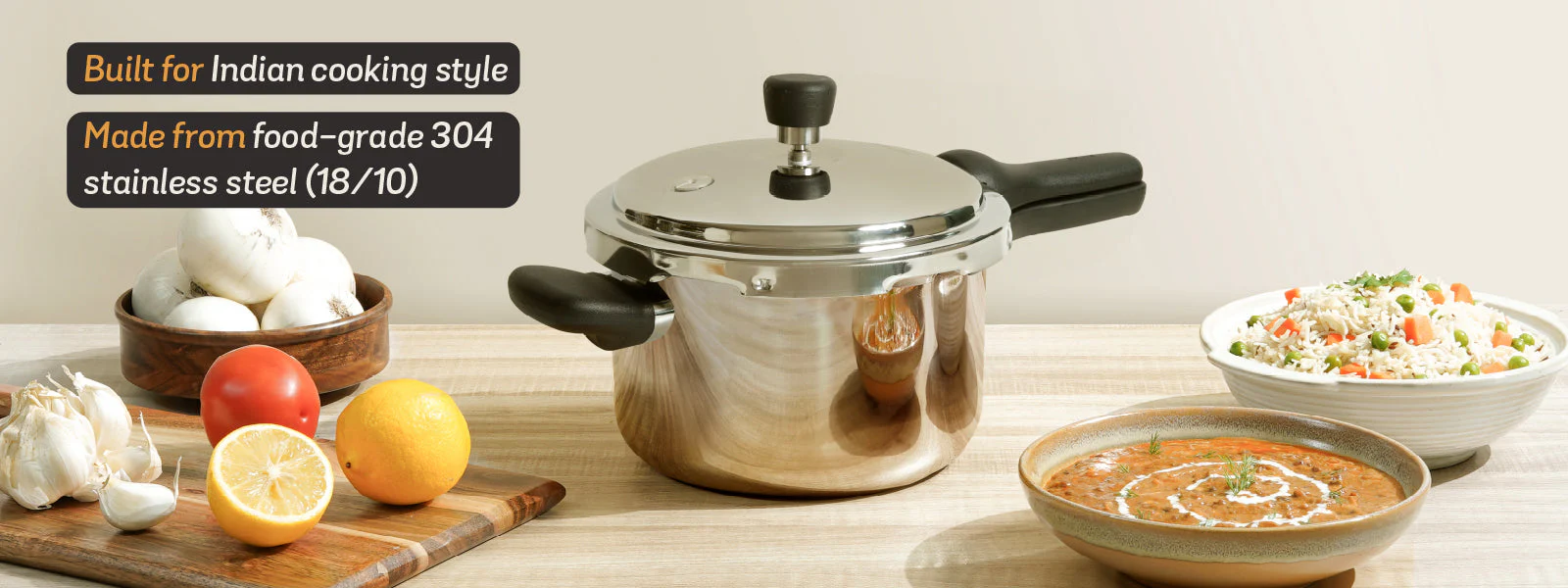
A Quick Look Back: From Stovetop Hiss to Silent Tech
To really appreciate the safety of an Instant Pot, it helps to know where it came from. The original stovetop pressure cookers were simple mechanical devices. They relied on a heavy lid, a rubber gasket, and a weight on top of a steam vent to build and regulate pressure. While effective, they required constant monitoring. If the heat was too high or the vent got clogged, things could get messy.
The electric pressure cooker, on the other hand, is a “smart” appliance. It has a brain—a microprocessor—that constantly monitors pressure, temperature, and time. This digital control is the single biggest leap forward in pressure cooking safety.
How Does an Instant Pot Work Its Magic Safely?
An Instant Pot cooks food quickly by using steam pressure. When you seal the lid and the pot heats up, the liquid inside turns to steam. Because the steam can’t escape, it builds up pressure, which raises the boiling point of the water well above 212°F (100°C). This superheated environment is what cooks your food in a fraction of the time. The key is how it manages that pressure.
This is where the built-in safety features come into play, working together like a highly-trained security team for your dinner.
The Big Question: What Are the Safety Features of an Instant Pot?
Instant Pot boasts a 10-point safety system, with multiple redundancies. This means if one system were to fail (which is extremely rare), another is there to back it up. Think of it as having a pilot and a co-pilot for your pot roast.
Here are the key players in that safety lineup:
- Lid Lock Safety: This is the most basic and brilliant feature. The Instant Pot can sense whether the lid is correctly closed and locked. It simply will not start the pressure cooking cycle if the lid isn’t secured properly. Furthermore, once pressure builds inside, the lid automatically locks and cannot be opened until the pressure has returned to a safe, normal level. No accidental openings, no surprise steam facials.
- Pressure Control System: The internal microprocessor acts like a vigilant guard, constantly monitoring the pressure inside the pot. It keeps the pressure within a safe operating range, automatically turning the heating element on and off to maintain the perfect level. It’s a set-it-and-forget-it system.
- The Steam Release Valve: This is your primary tool for releasing pressure. It’s designed to be simple and easy to use for a “quick release.” But it also has a safety function: if for some reason the internal pressure were to exceed the maximum safe limits, this valve would automatically push up and vent the excess steam.
- Anti-Block Shield: Underneath the lid, there’s a small metal cap over the steam release valve. This simple but crucial piece prevents food particles or foam from clogging the valve. A clear valve is a safe valve. It’s one of those little details that provides immense peace of mind.
- Leaky Lid Detection: What if you didn’t close the lid quite right or the sealing ring wasn’t properly seated? The pot is smart enough to figure that out. If it detects that it’s taking too long to build pressure (a sign of a leak), it will stop the heating process and often display an error code.
- Overheat (Burn) Protection: This is a lifesaver for your food and your pot. There are sensors at the bottom of the inner pot that monitor the temperature. If they detect that the temperature is getting too high—usually because there isn’t enough liquid and food is starting to stick and burn—the pot will shut off the heat and display a “Burn” or “Ovht” message. This prevents your meal from being ruined and protects the appliance from damage.
- Automatic Temperature Control: Similar to the pressure control, this feature regulates the internal temperature based on the program you’ve selected, ensuring your food is cooked correctly and safely without ever getting dangerously hot.
- Extreme Temperature & Power Protection: As a final line of defense, the Instant Pot is equipped with electrical and thermal fuses. In the highly unlikely event of a major electrical surge or the pot reaching a critical temperature, these fuses will cut power to the machine entirely, rendering it safe.
As culinary technology consultant Chef Isabella Rossi often says, “The most important safety feature is the one between your ears. Read the manual. Modern appliances like the Instant Pot are incredibly safe, but understanding how they work empowers you to use them with absolute confidence.”
Common (and Avoidable) User Mistakes
While the Instant Pot is packed with safety tech, most issues arise from simple user error. Here’s how to avoid the common pitfalls:
- Overfilling the Pot: Never fill your Instant Pot more than two-thirds full for most foods, and no more than half-full for foods that expand or foam, like beans, grains, and pasta. There’s a “MAX” line inside the pot for a reason! Leaving space is crucial for steam to build properly.
- Forgetting the Liquid: Pressure cooking requires liquid to create steam. Without at least one cup of thin liquid (like water, broth, or juice), the pot can’t pressurize and will likely trigger the burn protection.
- Ignoring the Sealing Ring: The silicone ring inside the lid is vital for creating a seal. Always make sure it’s properly seated, clean, and free of damage. A misplaced or worn-out ring is the most common cause of a pot failing to pressurize.
- Incorrectly Using the Steam Release: Always follow recipe instructions for releasing pressure. A Natural Release (letting the pressure drop on its own) is best for meats and foamy foods. A Quick Release (manually turning the valve to vent steam) is for vegetables and foods you don’t want to overcook. Never force the lid open.
|
Our Picks for the Best Pressure Cooker in 2025
As an Amazon Associate, we earn from qualifying purchases.
|
||
| Num | Product | Action |
|---|---|---|
| 1 | DUMOS 12-in-1 Electric Pressure Cooker 6 QT Stainless Steel Multi Cooker Electric for Pressure, Rice, Steamer, Yogurt Maker, Slow Cook,Meat Stew, Cake, Porridge, Multigrain, Sliver |

|
| 2 | Instant Pot Duo 7-in-1 Electric Pressure Cooker, Slow Cooker, Rice, Steamer, Sauté, Yogurt Maker, Warmer & Sterilizer, Includes App With Over 800 Recipes, Stainless Steel, 6 Quart |
|
| 3 | Instant Pot Duo 7-in-1 Mini Electric Pressure Cooker, Slow Rice Cooker, Steamer, Sauté, Yogurt Maker, Warmer & Sterilizer, Includes Free App with over 1900 Recipes, Stainless Steel, 3 Quart |
|
| 4 | CHEF iQ Smart Pressure Cooker with WiFi and Built-in Scale - Easy-to-Use 10-in-1 Multicooker with 500+ Guided Recipes - Rice Cooker, Slow Cooker, Instant Meals for Foodies - 6 Quart - Family Size |
|
| 5 | Our Place Dream Cooker | 6-quart Multicooker | 4 Versatile Modes | Pressure Cook, Slow Cook, Sear & Saute, Keep Warm | Hands-Free Steam Release | Tailored Control Panel | Steam |
|
| 6 | COSORI Pressure Cooker 6QT, Stainless Steel, 9-in-1 Multi Cooker, 12 Safety Features, Ceramic Inner Pot, Rice, Slow Cook, Sous Vide, Saute, 1100W |
|
| 7 | Presto 01362 6-Quart Stainless Steel Pressure Cooker |
|
| 8 | Visit the CUCKOO Store |
|
| 9 | HealSmart 12-in-1 Multi Electric Pressure Cooker, Non-Stick 6QT Stainless Steel Pressure Cooker for Yogurt Maker, Slow Cooker, Cake, Multigrain, Dishwasher Safe |
|
| 10 | Safety Stainless Steel Pressure Cooker, 7.4 Qt with Release Valve & Multiple Protective Devices, Cooking Pressure Canner for Steam, Canning, Stewing on All Stovetops |
|
The Benefits Go Beyond Speed
Understanding what are the safety features of an Instant Pot unlocks a world of culinary benefits. You’re not just getting a fast meal; you’re getting:
- Better Nutrition: The shorter cooking time and sealed environment help retain more vitamins and minerals in your food compared to boiling.
- Energy Efficiency: An Instant Pot uses significantly less energy than an oven or a stovetop burner.
- Flavor Infusion: The high-pressure environment forces moisture and flavor deep into the food, making meats more tender and dishes more flavorful. Check out some of [our favorite pressure cooker recipes] to get started.
Keeping Your Instant Pot in Safe, Working Order
Proper maintenance is key to long-term safety and performance.
- Clean it after every use: Wash the inner pot, the lid, and the sealing ring.
- Inspect the sealing ring regularly: Look for cracks or stretching. It’s recommended to replace it every 12-18 months.
- Keep the vents clear: Periodically remove the anti-block shield and steam release valve to ensure they are completely clean.
Frequently Asked Questions (FAQ)
Q1: Is it safe to leave an Instant Pot unattended while it’s cooking?
Yes, that’s one of its biggest advantages. Unlike a stovetop pressure cooker, the Instant Pot is designed to be a “set-it-and-forget-it” appliance. Its internal sensors manage the entire cooking process, and it will automatically switch to “Keep Warm” mode when done.
Q2: What does the “Burn” notice on an Instant Pot mean, and is it dangerous?
The “Burn” notice is a safety feature, not a danger alert. It means the pot’s sensors have detected a high temperature at the bottom of the pot, usually because food is sticking or there’s not enough liquid. The pot shuts off the heat to prevent burning. It’s telling you to check your food, not to run for cover.
Q3: Can a modern Instant Pot actually explode?
It is virtually impossible for an Instant Pot to explode in the way old stovetop models could. With its 10-level safety system, including redundant pressure sensors, automatic locks, and emergency vents, there is no way for an unsafe level of pressure to build up.
Q4: How often should I replace the silicone sealing ring?
For optimal performance and safety, it’s best to replace the sealing ring every 12-18 months, or immediately if you notice any cracks, warping, or if it no longer holds a seal properly. Many people keep two—one for savory dishes and one for sweet—to prevent flavor transfer.
Q5: What is the safety difference between a Natural Release and a Quick Release?
Both are safe methods controlled by the user. A Natural Release lets the pot cool down on its own, which is a gentle process ideal for meats and foamy foods. A Quick Release involves manually venting the steam, which is faster but can cause liquids to spray if the pot is overfilled or cooking starchy items. The key is to follow the recipe’s recommendation.
Your Kitchen’s Safest New Companion
The days of fearing the pressure cooker are officially over. The modern Instant Pot is a testament to how smart design and technology can create a powerful, efficient, and incredibly safe kitchen tool. By understanding what are the safety features of an Instant Pot, from its smart lid lock to its burn protection sensors, you can cook with complete confidence. So go ahead, embrace the speed, the flavor, and the convenience. Your new favorite kitchen appliance is also one of your safest.