Have you ever wished for a magical kitchen appliance that could transform tough cuts of meat into fork-tender perfection or cook dried beans in a fraction of the time, all while preserving flavor and nutrients? For many, the pressure cooker isn’t just a wish; it’s a reality. This remarkable appliance, deeply rooted in scientific principles, revolutionizes how we approach cooking, significantly cutting down meal preparation time without compromising on quality or taste. If you’re looking to understand the mechanics behind this culinary marvel and how it can streamline your kitchen, you’ve come to the right place.
What is a Pressure Cooker?
At its core, a pressure cooker is a specialized pot designed to cook food quickly by creating a high-pressure, steam-filled environment. Unlike conventional pots where steam escapes, a pressure cooker seals tightly, trapping the steam generated from the liquid inside. This trapped steam builds pressure, which in turn elevates the boiling point of water beyond its usual 100°C (212°F). The result is a superheated cooking chamber that drastically accelerates the cooking process for a wide array of foods.
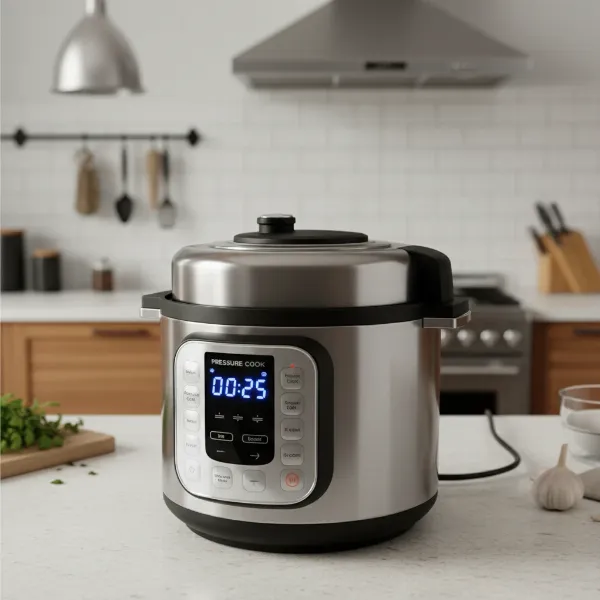 A sleek, modern pressure cooker on a kitchen counter, ready for cooking, highlighting efficiency.
The Science Behind Pressure Cooking: How It Saves Time
Understanding the science is key to appreciating the efficiency of pressure cooking. It’s a fascinating interplay of physics and chemistry that turns hours of cooking into mere minutes.
Pressure and Boiling Point
|
Our Picks for the Best Pressure cooker in 2026
As an Amazon Associate I earn from qualifying purchases.
|
||
| Num | Product | Action |
|---|---|---|
| 1 | Instant Pot Duo 7-in-1 Electric Pressure Cooker, Slow Cooker, Rice, Steamer, Sauté, Yogurt Maker, Warmer & Sterilizer, Includes App With Over 800 Recipes, Stainless Steel, 6 Quart |

|
| 2 | COSORI Pressure Cooker 6QT, Stainless Steel, 9-in-1 Multi Cooker, 12 Safety Features, Ceramic Inner Pot, Rice, Slow Cook, Sous Vide, Saute, 1100W |
|
| 3 | Instant Pot Duo 7-in-1 Mini Electric Pressure Cooker, Slow Rice Cooker, Steamer, Sauté, Yogurt Maker, Warmer & Sterilizer, Includes Free App with over 1900 Recipes, Stainless Steel, 3 Quart |
|
| 4 | CHEF iQ Smart Pressure Cooker with WiFi and Built-in Scale - Easy-to-Use 10-in-1 Multicooker with 500+ Guided Recipes - Rice Cooker, Slow Cooker, Instant Meals for Foodies - 6 Quart - Family Size |
|
| 5 | Our Place Dream Cooker - 6 Qt Ceramic Nonstick Multicooker & Pressure Cooker with Touchscreen Controls & Auto Steam Release - 4 Modes: Pressure Cook, Sauté/Sear, Slow Cook & Warm - Steam |
|
| 6 | COMFEE' 9-in-1 Electric Pressure Cooker, 14 Presets Instant Multi Cooker Olla de Presion Non-Stick Pot Yogurt Maker Rice Cooker Slow Cooker Sauté Steamer 6 Quarts Black |
|
| 7 | Our Place Dream Cooker - 6 Qt Ceramic Nonstick Multicooker & Pressure Cooker with Touchscreen Controls & Auto Steam Release - 4 Modes: Pressure Cook, Sauté/Sear, Slow Cook & Warm - Spice |
|
| 8 | Stove Top 304 Stainless Steel Pressure Cooker, One-hand Easy Handle Lid, 3 PSI Setting, 6 Safety Systems, Dishwasher Safe, Olla de Presion, Works for All Cooktops (8.5 QT) |
|
| 9 | Instant Pot Duo 7-in-1 Electric Pressure Cooker, Slow Cooker, Rice Cooker, Steamer, Sauté, Yogurt Maker, Warmer & Sterilizer, Includes App with Over 800 Recipes, Stainless Steel, 8 Quart |
|
| 10 | Our Place Dream Cooker - 6 Qt Ceramic Nonstick Multicooker & Pressure Cooker with Touchscreen Controls & Auto Steam Release - 4 Modes: Pressure Cook, Sauté/Sear, Slow Cook & Warm - Blue Salt |
|
The fundamental principle lies in the relationship between pressure and the boiling point of water. At sea level, water boils at 100°C (212°F). However, inside a sealed pressure cooker, as steam accumulates, the internal pressure increases. This elevated pressure suppresses the natural tendency of water to boil at 100°C, forcing it to reach higher temperatures before it can turn into steam. Typically, a pressure cooker operates at around 15 pounds per square inch (psi) above atmospheric pressure, which raises the boiling point of water to approximately 121°C (250°F). Cooking at these higher temperatures is the primary reason for reduced cooking times.
Accelerated Chemical Reactions
Food cooks through a series of complex chemical reactions that break down tough fibers, tenderize proteins, and soften starches. Like most chemical reactions, these processes are significantly sped up by higher temperatures. When food is cooked at 121°C instead of 100°C, these reactions occur much more rapidly. This means ingredients like tough cuts of meat, which might take hours to break down through conventional simmering, become tender in a fraction of the time in a pressure cooker.
Efficient Heat Transfer
Beyond the elevated temperature, steam itself is an incredibly efficient medium for transferring heat to food. Inside the pressure cooker, the food is enveloped by superheated steam, which rapidly and uniformly penetrates every surface. This ensures that heat reaches the core of the food much faster than through simmering in water or baking in dry oven heat, contributing significantly to the overall time savings.
The Evolution of the Pressure Cooker: A Historical Perspective
The concept of pressure cooking is far from new, with a rich history spanning centuries of scientific curiosity and culinary innovation.
From Papin’s Digester to Modern Marvels
The prototype of the modern pressure cooker, known as the “steam digester,” was invented in the 17th century by French physicist Denis Papin. Inspired by the principles of the steam engine, Papin created a sealed vessel that used steam to generate pressure, demonstrating its ability to soften bones—a revolutionary feat for its time. His groundbreaking invention laid the foundation for high-pressure cooking.
Key Milestones and Innovations
For centuries, Papin’s digester remained largely a scientific curiosity. It wasn’t until the early 20th century that pressure cookers began to gain commercial traction and make their way into homes. The term “pressure cooker” first appeared in print in 1915, and by the 1939 New York World’s Fair, National Presto Industries introduced a widely popular commercial model. World War II saw a surge in their popularity as wartime shortages encouraged energy-efficient cooking methods. While interest waned somewhat with the advent of microwaves, modern pressure cookers have seen a significant resurgence, driven by improved safety features, advanced digital controls, and the introduction of versatile electric multi-cookers that have made them quieter, more efficient, and incredibly user-friendly.
Types of Pressure Cookers: Finding Your Perfect Match
Today’s market offers two primary types of pressure cookers, each with distinct advantages suited to different cooking styles and preferences.
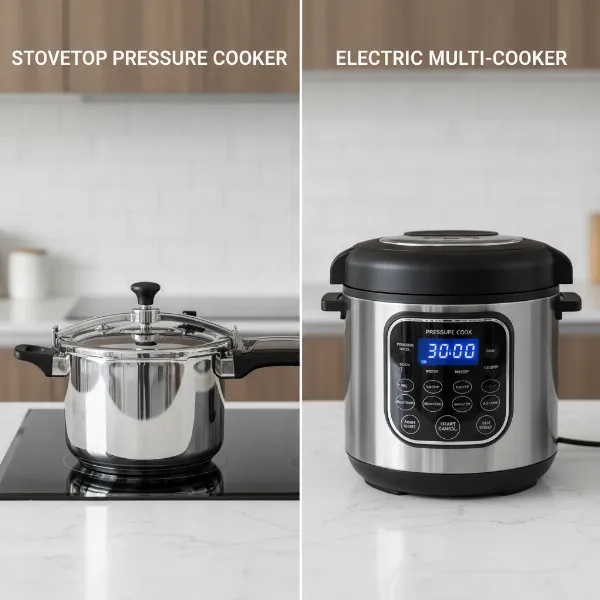 Side-by-side view of a traditional stovetop pressure cooker and a modern electric multi-cooker, showcasing different types.
Stovetop Pressure Cookers
These are the traditional models, often resembling a heavy-duty pot with a special locking lid and a weighted or spring valve to regulate pressure. Stovetop pressure cookers are typically made of stainless steel or aluminum and are heated on a conventional stovetop.
- Pros: Generally reach higher pressures (around 15 psi), leading to faster cooking times. They heat up quickly and can achieve a better sear when browning ingredients. Often more durable and can last for decades.
- Cons: Require more manual monitoring of heat and pressure. Can be intimidating for beginners due to the audible steam release and manual control.
Electric Pressure Cookers (Multi-Cookers)
These modern appliances are self-contained units that plug into an electrical outlet. They feature built-in heating elements and digital control panels with pre-programmed settings. Many are multi-cookers, offering functions like slow cooking, steaming, sautéing, and even yogurt making.
- Pros: User-friendly “set-it-and-forget-it” operation with precise temperature and pressure control. Numerous safety features. Versatile with multiple cooking functions. Ideal for beginners.
- Cons: Often operate at slightly lower pressures (around 10-12 psi) than stovetop models, which can result in marginally longer cooking times for some dishes. They tend to be bulkier and more expensive.
Choosing between a stovetop and an electric model depends on your priorities: speed and control versus convenience and versatility.
Pressure Cooking vs. Other Methods: A Comparison
When placed against traditional cooking techniques, pressure cooking offers significant advantages that underscore its efficiency.
Faster Cooking Times
This is the most celebrated benefit. Pressure cooking can reduce cooking times by up to 70% compared to conventional methods. A tough beef roast that might simmer for three hours in a Dutch oven can be fork-tender in about 45 minutes in a pressure cooker. Dried beans cook without pre-soaking in minutes, and even whole chickens can be ready in under an hour.
Enhanced Nutrient Retention
The sealed environment of a pressure cooker means less liquid is lost to evaporation, and food is exposed to heat for shorter durations. This helps to preserve more heat-sensitive vitamins and minerals that might otherwise degrade or leach into cooking water during longer cooking processes like boiling or slow simmering. Studies have shown pressure-cooked vegetables can retain a higher percentage of certain vitamins compared to other methods.
Energy Efficiency
By dramatically cutting down cooking time, pressure cookers also become energy-efficient appliances. Less time on the stove or plugged in means less energy consumed, which can translate into savings on utility bills over time. The concentrated heat inside the sealed pot ensures minimal heat loss to the surrounding kitchen environment.
Flavor Development
The intense, high-pressure steam environment not only cooks food quickly but also traps volatile flavor compounds within the pot. This results in dishes that often have more concentrated and vibrant flavors, as well as a rich, moist texture that might be challenging to achieve with other quick cooking methods.
Your Comprehensive Buying Guide to Pressure Cookers
Selecting the right pressure cooker involves considering several factors to ensure it meets your culinary needs and provides a safe, enjoyable cooking experience.
Assessing Your Needs
Before purchasing, consider how you plan to use your pressure cooker. How many people do you typically cook for? This will help determine the ideal capacity. Are you primarily cooking tough meats, grains, or quick weeknight meals? Your usage frequency will also influence whether an electric multi-cooker’s convenience or a stovetop’s raw speed is more suitable.
Capacity and Material
- Capacity: Common sizes range from 3-quart models (suitable for 1-2 people) to 8-quart or larger (ideal for families of 4+ or meal prepping). A 6-quart model is often a versatile choice for most families.
- Material:
- Stainless Steel: Durable, non-reactive, easy to clean, and generally induction-compatible. Often a preferred choice for longevity.
- Aluminum: Lighter, heats up quickly, and typically more budget-friendly. However, it can react with acidic foods and is less durable than stainless steel.
Essential Safety Features
Modern pressure cookers are engineered with multiple safety mechanisms to prevent accidents. Look for:
- Lid Locking Mechanism: Ensures the lid is securely fastened and cannot be opened while the pot is under pressure.
- Pressure Release Valve: A primary valve that regulates and releases excess steam to maintain safe operating pressure.
- Secondary Safety Valve/Plug: An additional safeguard that activates if the primary valve fails or clogs.
- Gasket Release System: A design where the rubber gasket will safely push out of the lid if extreme pressure builds up, preventing rupture.
- Anti-Blockage Vent: Prevents food particles from clogging the steam release mechanism.
- Pressure Indicator: A visual cue (e.g., a pin that rises) to show when the cooker has reached pressure and when it is safe to open.
- Cool-Touch Handles: For safe handling during and after cooking.
Smart Features (for Electric Models)
Electric models often boast features that enhance convenience:
- Pre-set Programs: Dedicated buttons for rice, beans, meat, soup, and other common dishes.
- Digital Display: Clear readouts for time, pressure level, and cooking status.
- Sauté Function: Allows browning ingredients directly in the pot before pressure cooking.
- Keep Warm Function: Automatically switches to keep food warm after cooking is complete.
Brand and Warranty
Opt for reputable brands known for quality and customer service. Check the warranty details, especially for the pot itself and critical safety components. Availability of replacement parts, like gaskets and valves, is also an important consideration for long-term use.
Mastering Safe and Effective Pressure Cooker Use
While modern pressure cookers are incredibly safe, proper usage and maintenance are crucial for optimal performance and safety.
Preparation Pointers
- Read the Manual: Every model is slightly different; familiarize yourself with your specific cooker’s instructions.
- Inspect Before Use: Always check that the gasket (sealing ring) is clean, free from damage, and properly seated. Ensure all valves are clear of food debris.
- Add Sufficient Liquid: Pressure cookers require liquid to create steam. Always add the minimum amount specified in your manual, typically at least one cup of water.
- Avoid Overfilling: Never fill the cooker more than two-thirds full. For foods that expand (like rice, beans, or pasta), fill only halfway to allow for expansion and steam circulation.
Pressure Regulation and Cooking
- Proper Heat (Stovetop): Bring the cooker to full pressure over high heat, then reduce heat to the lowest setting that maintains pressure.
- Setting Programs (Electric): Select the appropriate pre-set program or manually set time and pressure level.
Safe Pressure Release Techniques
Once cooking is complete, pressure must be released before opening the lid.
- Natural Release (NR): Allow the pressure to dissipate on its own. The pressure indicator will drop when it’s safe to open. This method is best for foamy foods, large cuts of meat, or dishes that benefit from residual cooking.
- Quick Release (QR): Manually release the pressure using the valve. This stops cooking quickly and is ideal for delicate vegetables or foods where overcooking is a concern. Always release steam away from your face and hands.
Cleaning and Maintenance
- Clean After Each Use: Wash the inner pot, lid, and gasket thoroughly. Ensure all valves and vents are clear of food particles.
- Check and Replace Gasket: The gasket can wear out over time, affecting the seal. Replace it every 12-18 months, or if it shows signs of cracking, hardening, or if the cooker is not sealing properly.
- Proper Storage: Store the pressure cooker with the lid inverted or slightly ajar to prevent the gasket from compressing and prolong its life.
Delicious Dishes to Create in Your Pressure Cooker
The versatility of a pressure cooker means a world of culinary possibilities, from hearty meals to quick sides.
Hearty Stews and Braises
Transform tough cuts of beef, lamb, or pork into incredibly tender stews and pot roasts in a fraction of the usual time. The high-pressure environment tenderizes meat beautifully, locking in rich flavors.
Soups and Broths
Homemade bone broth, chicken soup, or vegetable stock can be made in an hour instead of simmering for half a day, offering deep, robust flavors quickly.
Grains and Legumes
Achieve perfectly cooked rice, quinoa, and other grains with minimal effort. Dried beans and chickpeas can go from pantry to plate without hours of pre-soaking, making plant-based meals incredibly accessible.
Fast Weeknight Meals
Quickly cook chicken breasts, potatoes, corn on the cob, or even entire one-pot pasta dishes, making healthy, home-cooked meals achievable even on the busiest evenings.
Common Pressure Cooker Problems and Simple Solutions
Even with modern designs, occasional issues can arise. Knowing how to troubleshoot can save time and frustration.
- Lid Not Sealing or Opening Properly: Check if the gasket is clean, properly seated, and undamaged. Ensure there’s no food debris obstructing the lid’s seal. If stuck after cooking, ensure all pressure has been released before attempting to open.
- Not Building Pressure or Leaking Steam: This often points to a compromised seal. Recheck the gasket, ensure the lid is correctly locked, and verify that the pressure release valve is set to “sealing” (for electric models) or is free of blockages (for stovetop). Insufficient liquid can also prevent pressure buildup.
- Overheating or Burning Food: This usually indicates too little liquid, too high heat (for stovetop), or food sticking to the bottom. Ensure you always meet the minimum liquid requirement and scrape the bottom of the pot after sautéing to prevent burning.
- Excessive Whistling (Stovetop Models): While some whistling is normal, constant, loud whistling can mean the heat is too high, or the vent pipe is partially blocked. Reduce heat or clean the vent.
- Takes a Long Time to Reach Pressure: Cold ingredients take longer to heat up. Ensure you’re using sufficient heat (for stovetop) or that the cooker is not overloaded.
Conclusion
The pressure cooker is undeniably one of the most scientifically ingenious and time-saving appliances in the modern kitchen. By harnessing the power of elevated pressure and superheated steam, it drastically reduces cooking times, preserves vital nutrients, and enhances flavor—all while being remarkably energy-efficient. Whether you opt for a traditional stovetop model or a versatile electric multi-cooker, understanding its underlying science and adhering to proper usage guidelines will unlock a world of quick, delicious, and healthy meals. Embracing the science of pressure cooking means more time for you and your loved ones, and less time spent waiting for dinner.
What culinary adventures will you embark on with the newfound efficiency of pressure cooking?
Frequently Asked Questions
How does increased pressure raise the boiling point of water?
Increased pressure raises the boiling point of water because the higher external pressure makes it more difficult for water molecules to escape into the vapor phase, requiring more energy (and thus a higher temperature) to overcome this resistance and boil.
Are pressure cookers truly safe, considering the high pressure?
Yes, modern pressure cookers are extremely safe, thanks to multiple redundant safety features like lid locking mechanisms, primary and secondary pressure release valves, and gasket release systems designed to prevent accidents and release excess pressure safely.
Can I use a pressure cooker to can food?
While some specialized pressure cookers, known as pressure canners, are designed for canning, standard kitchen pressure cookers (both stovetop and electric) are generally not recommended for canning due to variations in pressure calibration and size, which are critical for safe food preservation.
Do pressure-cooked foods taste different from conventionally cooked foods?
Pressure cooking often results in more intense and concentrated flavors because the sealed environment prevents aromatic compounds from escaping with steam. Food also retains more moisture, leading to very tender and juicy results.
Is there a specific type of food that benefits most from pressure cooking?
Foods that typically require long cooking times to become tender—such as dried beans and legumes, tough cuts of meat, and whole grains—benefit most significantly from pressure cooking, dramatically reducing their preparation time.
How much liquid do I need in a pressure cooker?
Most pressure cookers require at least one cup of liquid to generate sufficient steam and pressure. Always consult your specific model’s manual for the exact minimum liquid requirements.
Can you put frozen meat directly into a pressure cooker?
Yes, many modern electric pressure cookers can safely cook frozen meat, but it will increase the time it takes to reach pressure and the overall cooking time. Always refer to your pressure cooker’s manual and recipe guidelines for specific instructions and adjusted cooking times.