Pressure cookers have revolutionized meal preparation, allowing us to enjoy delicious, tender dishes in a fraction of the time. But the very force that makes them so efficient—high-pressure steam—also demands our utmost respect and adherence to safety protocols. As an experienced technician with over a decade in pressure cooker repair, I’ve seen firsthand how crucial proper handling and maintenance are. This guide will walk you through the most critical safety tips to ensure your pressure cooking experience is always safe and enjoyable, keeping your kitchen calm and your meals perfect.
Understanding Pressure Cookers: The Science of Speed Cooking
At its core, a pressure cooker is a sealed pot that cooks food faster by trapping steam inside, which significantly increases the internal pressure and raises the boiling point of water. This superheated, pressurized environment dramatically speeds up cooking times, making tough cuts of meat tender and reducing cooking for grains and legumes. However, managing this immense internal pressure is key. Modern pressure cookers are engineered with multiple safety features, but understanding how they work and what can go wrong is your first line of defense against potential hazards.
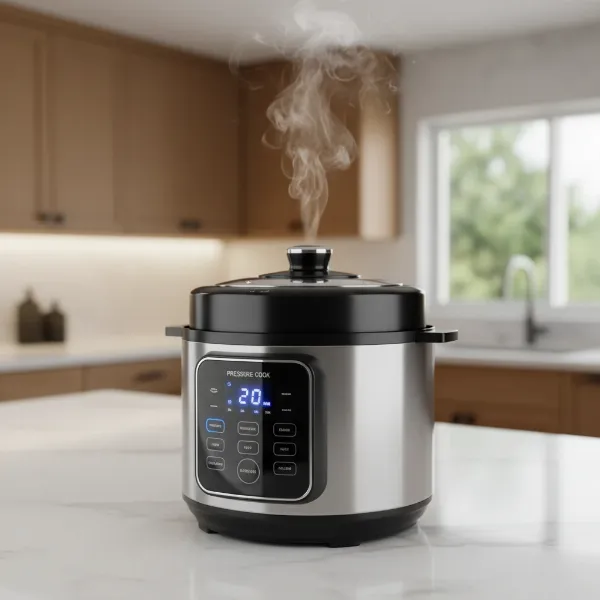 A modern electric pressure cooker on a kitchen counter, highlighting its sleek design and advanced safety features.
Why Do Pressure Cookers Explode? Common Causes
While rare, pressure cooker explosions can be devastating. They typically stem from a combination of user error, mechanical failure, or a lack of maintenance. Over 80% of pressure cooker accidents are attributed to user error, highlighting the importance of proper handling.
User Error: The Leading Factor
The most frequent culprits behind pressure cooker incidents are directly related to how the appliance is used:
- Overfilling: Exceeding the maximum fill line leaves no room for steam to build safely. This is especially dangerous with foods that expand, like rice or beans.
- Insufficient Liquid: Pressure cookers rely on liquid to create steam. Without enough water, the pot can overheat, leading to a “burn” error or, worse, a dangerous pressure buildup without proper steam generation.
- Clogged Vents: Certain foods, such as applesauce, oatmeal, pasta, or beans, can produce froth or foam that clogs the steam release vents. A blocked vent prevents pressure from escaping, leading to excessive internal pressure.
- Improper Lid Sealing: If the lid isn’t locked correctly or the sealing gasket isn’t seated properly, steam can leak, preventing pressure from building, or the lid could dislodge unexpectedly.
- Forcing the Lid: Attempting to open the lid before all the internal pressure has been safely released is extremely dangerous, as it can cause hot steam and food to forcefully erupt.
|
Our Picks for the Best Pressure cooker in 2026
As an Amazon Associate I earn from qualifying purchases.
|
||
| Num | Product | Action |
|---|---|---|
| 1 | CHEF iQ Smart Pressure Cooker with WiFi and Built-in Scale - Easy-to-Use 10-in-1 Multicooker with 500+ Guided Recipes - Rice Cooker, Slow Cooker, Instant Meals for Foodies - 6 Quart - Family Size |

|
| 2 | Instant Pot Duo 7-in-1 Mini Electric Pressure Cooker, Slow Rice Cooker, Steamer, Sauté, Yogurt Maker, Warmer & Sterilizer, Includes Free App with over 1900 Recipes, Stainless Steel, 3 Quart |
|
| 3 | COMFEE' 9-in-1 Electric Pressure Cooker, 14 Presets Instant Multi Cooker Olla de Presion Non-Stick Pot Yogurt Maker Rice Cooker Slow Cooker Sauté Steamer 6 Quarts Black |
|
| 4 | COSORI Pressure Cooker 6QT, Stainless Steel, 9-in-1 Multi Cooker, 12 Safety Features, Ceramic Inner Pot, Rice, Slow Cook, Sous Vide, Saute, 1100W |
|
| 5 | Our Place Dream Cooker - 6 Qt Ceramic Nonstick Multicooker & Pressure Cooker with Touchscreen Controls & Auto Steam Release - 4 Modes: Pressure Cook, Sauté/Sear, Slow Cook & Warm - Spice |
|
| 6 | Our Place Dream Cooker - 6 Qt Ceramic Nonstick Multicooker & Pressure Cooker with Touchscreen Controls & Auto Steam Release - 4 Modes: Pressure Cook, Sauté/Sear, Slow Cook & Warm - Blue Salt |
|
| 7 | Our Place Dream Cooker - 6 Qt Ceramic Nonstick Multicooker & Pressure Cooker with Touchscreen Controls & Auto Steam Release - 4 Modes: Pressure Cook, Sauté/Sear, Slow Cook & Warm - Steam |
|
| 8 | Stove Top 304 Stainless Steel Pressure Cooker, One-hand Easy Handle Lid, 3 PSI Setting, 6 Safety Systems, Dishwasher Safe, Olla de Presion, Works for All Cooktops (8.5 QT) |
|
| 9 | Instant Pot Duo 7-in-1 Electric Pressure Cooker, Slow Cooker, Rice Cooker, Steamer, Sauté, Yogurt Maker, Warmer & Sterilizer, Includes App with Over 800 Recipes, Stainless Steel, 8 Quart |
|
| 10 | Instant Pot Duo 7-in-1 Electric Pressure Cooker, Slow Cooker, Rice, Steamer, Sauté, Yogurt Maker, Warmer & Sterilizer, Includes App With Over 800 Recipes, Stainless Steel, 6 Quart |
|
Manufacturing Defects and Mechanical Failures
Though less common in modern, reputable brands, product defects can also cause explosions:
- Faulty Gaskets and Seals: A damaged, worn, or incorrectly fitted gasket can compromise the airtight seal, preventing safe pressure buildup or causing leaks.
- Defective Valves and Vents: Malfunctioning pressure release valves or blocked safety vents can fail to release excess pressure, allowing it to build to critical levels.
- Poor Material Quality: Inferior metals or construction can lead to metal fatigue or structural failure under high pressure and temperature over time.
- Malfunctioning Safety Mechanisms (Electric Cookers): While electric models boast advanced safety features, a defect in an automatic shut-off or pressure sensor can lead to uncontrolled pressure.
Overheating and Unattended Use
Leaving a pressure cooker unattended, particularly stovetop models, can lead to overheating if the heat source is too high or if liquid boils away. Even with safety mechanisms, continuous excessive heat can pose a risk.
Modern Pressure Cooker Safety Features
Today’s pressure cookers, both stovetop and electric, come equipped with an impressive array of safety mechanisms designed to prevent accidents. Familiarizing yourself with these features is crucial.
Built-in Protections for Peace of Mind
- Lid Locking Systems: These mechanisms prevent the lid from being opened when the cooker is pressurized. Many also feature visual or audible indicators to show when pressure is present and when it’s safe to open.
- Multiple Pressure Release Valves: Most modern cookers have a primary operating valve to regulate pressure, a secondary safety valve, and sometimes an overpressure plug that will automatically release steam if the pressure exceeds safe limits.
- Gaskets and Sealing Rings: These flexible rings create an airtight seal between the lid and the pot body, essential for pressure buildup and containment.
- Anti-Blocking Shields: Located over the steam release vent, these shields prevent food particles from clogging the valve, a common cause of unsafe pressure buildup.
- Automatic Shut-off and Sensors (Electric Models): Electric pressure cookers often include temperature and pressure sensors that constantly monitor internal conditions. If temperatures or pressures become too high, the unit will automatically shut off or vent steam, providing an extra layer of protection.
Electric vs. Stovetop Pressure Cookers: Safety Differences
Both types of pressure cookers are safe when used correctly, but they handle safety differently.
Stovetop Models: Requiring Vigilance
Stovetop pressure cookers typically operate at higher pressures (around 15 psi) and often cook food faster. Their safety largely depends on mechanical valves and the user’s attentive monitoring of heat and pressure gauges. They demand more hands-on vigilance to ensure proper pressure regulation and safe operation.
Electric Models: Enhanced Automation
Electric pressure cookers (like multi-cookers) have a lower maximum pressure (typically 10-12 psi) but come with a sophisticated suite of electronic safety features. These include automatic temperature and pressure control, lid lock safety, and burn protection, which reduce the need for constant user monitoring. While generally perceived as “set it and forget it,” it’s still vital to pay attention to fill lines and maintenance.
Essential Safety Practices for Every Pressure Cooker User
Your interaction with the pressure cooker, from preparation to cleanup, is paramount. Adopt these practices for a safe kitchen.
Before You Cook: Pre-Use Checklist
- Read Your Manual: Every pressure cooker is unique. The manufacturer’s instruction manual is your most important safety guide, detailing specific fill lines, cleaning instructions, and operational procedures.
- Inspect All Components: Before each use, thoroughly examine the lid, sealing ring/gasket, pressure release valves, and anti-blocking shield for any signs of wear, cracks, food debris, or damage.
- Ensure Proper Sealing: Make sure the sealing ring is clean and correctly seated in the lid. A dirty or damaged ring can prevent a proper seal.
During Cooking: Operational Safety
- Follow Fill Lines: Never fill your pressure cooker more than two-thirds full for most foods. For foods that expand or foam (like rice, beans, or dried vegetables), only fill it halfway to allow for expansion and prevent vent clogging.
- Always Use Enough Liquid: Ensure you add at least 1/2 to 1 cup of liquid (water, broth, etc.) as specified in your recipe or manual. This liquid is essential for creating the steam needed to build pressure.
- Mind Your Ingredients: Be cautious with frothing foods. If cooking items prone to foaming, add a small amount of oil to suppress foam, and always adhere to the halfway fill rule. Ensure vents are clear before sealing.
- Never Leave Unattended: While electric models are more automated, it’s best practice to stay within earshot. Stovetop models require active monitoring to adjust heat and ensure pressure is maintained safely.
After Cooking: Safe Pressure Release and Opening
- Understand Release Methods: Learn the correct pressure release method for your recipe and cooker.
- Natural Release: Allows pressure to dissipate slowly over time (often 10-45 minutes), ideal for frothy foods or large cuts of meat.
- Quick Release: Manually releases steam through the valve. Use a long-handled utensil to open the valve to avoid direct contact with hot steam.
- Cold Water Release (Stovetop only): Running cold water over the lid can quickly reduce pressure, but this method is generally discouraged as it can warp the pot or damage the gasket.
- Keep Face and Hands Clear: Always direct the steam release away from yourself, others, and cabinets. Never place your face directly over the steam vent.
- Confirm Pressure is Fully Released: Wait for the pressure indicator (pin, float valve) to drop completely before attempting to open the lid. Forcing it open prematurely is extremely dangerous.
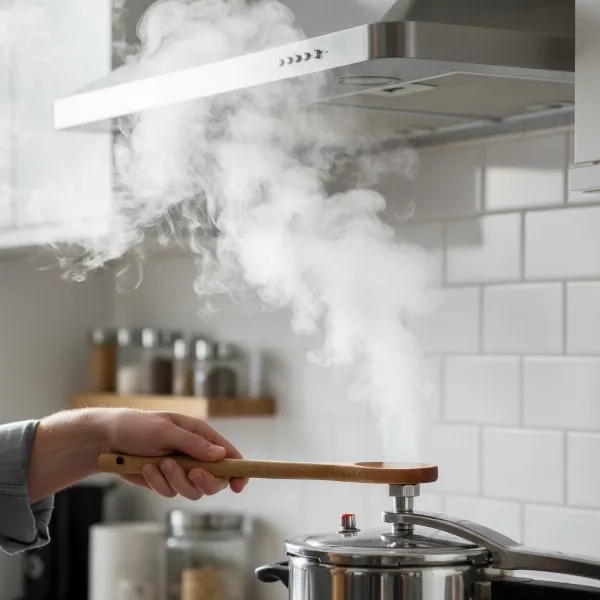 A hand safely releasing steam from a stovetop pressure cooker using a long-handled utensil.
Maintaining Your Pressure Cooker for Long-Term Safety
Regular maintenance is not just about extending the life of your appliance; it’s a critical safety measure.
Regular Cleaning and Inspection
- Clean Vents and Valves Thoroughly: After each use, disassemble and clean all pressure release valves and vents. Food particles can easily clog these vital components.
- Wash and Dry Gasket: Remove the sealing ring after each use, wash it with warm soapy water, and dry it completely before reassembling. Residual moisture or food can degrade the material.
When to Replace Parts
- Gaskets: Gaskets are consumable parts that degrade over time. It’s generally recommended to replace them annually or if you notice any cracking, stickiness, discoloration, or if they no longer create a tight seal.
- Other Worn Components: If any part of your pressure cooker—from handles to locking mechanisms—shows signs of damage or wear, consult your manual for replacement options and cease use until repaired.
Proper Storage
Store your pressure cooker with the lid inverted or slightly ajar to allow air circulation and prevent odors from building up within the pot or gasket. This also helps preserve the gasket’s shape.
Common Pressure Cooker Myths Debunked
Many misconceptions surround pressure cooking. Let’s clear some up for better safety and enjoyment.
Myth: All Pressure Cookers are Dangerous
“Modern pressure cookers are far safer than their predecessors from decades past, thanks to advanced engineering and multiple redundant safety features. Most incidents today are preventable with proper use.” – John Smith, Lead Engineer at CookSafe Appliances
The truth is, modern pressure cookers are incredibly safe. The “exploding pressure cooker” reputation largely comes from older models that lacked today’s sophisticated safety mechanisms. With proper care and understanding, they are as safe as any other kitchen appliance.
Myth: You Can Open the Lid Anytime
Absolutely not. Opening the lid before the pressure has completely dissipated is one of the most hazardous actions you can take. Always wait for the pressure indicator to drop and ensure no steam is escaping from the vent.
Myth: More Liquid Means More Flavor
While sufficient liquid is vital for pressure to build, excessive liquid can dilute flavors, result in watery dishes, and potentially overfill the cooker, leading to safety issues. Always follow recipe guidelines for liquid amounts.
Expert Tips from the Kitchen
“The biggest mistake I see home cooks make is skipping the manual,” says a seasoned chef. “Your pressure cooker is a powerful tool. Treat it like one, understand its limits, and it will serve you faithfully for years.”
Conclusion
Pressure cookers are remarkable kitchen appliances that can transform your cooking experience, making it faster, more efficient, and often more flavorful. By understanding how they work, recognizing their advanced safety features, and diligently following proper operational and maintenance guidelines, you can confidently prevent pressure cooker explosions and enjoy the many benefits these tools offer. Always remember: read your manual, inspect your cooker, and release pressure safely. With these practices, you’ll unlock a world of culinary possibilities without a hint of danger.
Are you ready to embrace the power of pressure cooking with confidence and peace of mind?
Frequently Asked Questions
How much liquid should I use in my pressure cooker?
Always use at least 1/2 to 1 cup of liquid, depending on your cooker’s size and recipe requirements, to generate sufficient steam for pressure buildup and prevent overheating.
Can I put frozen food directly into a pressure cooker?
Yes, you can cook frozen foods in a pressure cooker, but you will need to increase the cooking time by approximately 50% and ensure there’s enough liquid.
How do I know if my pressure cooker gasket needs replacing?
Inspect your gasket for cracks, stickiness, discoloration, or if it feels brittle. If your cooker isn’t sealing properly or steam is escaping, it’s likely time for a replacement, typically annually.
Is it safe to cook foamy foods like beans or pasta in a pressure cooker?
Yes, but with caution. Do not overfill (halfway maximum) and consider adding a small amount of oil to reduce foaming. Always ensure the steam vents are clean and unobstructed.
What should I do if my pressure cooker won’t open after cooking?
If the lid won’t open, there is still pressure inside. Do not force it. Allow more time for natural pressure release, or if using a stovetop model, you might try the cold water release method (running cold water over the lid) very carefully, ensuring no water enters the cooker.