Are you a passionate home canner looking to preserve your garden’s bounty or stock your pantry with homemade goodness? The right pressure canner can transform your preserving efforts from a daunting task into a rewarding experience. Among the myriad options available, the Presto 23-Quart Pressure Canner consistently stands out as a popular choice for both seasoned enthusiasts and those just beginning their canning journey. But is it truly the best for your canning needs? Let’s dive deep into this versatile workhorse, exploring its features, performance, and how it stacks up against the competition, to help you make an informed decision and embark on your next canning adventure with confidence.
What is a Pressure Canner?
A pressure canner is a specialized piece of kitchen equipment essential for safely preserving low-acid foods like vegetables, meats, poultry, and seafood. Unlike water bath canners, which only reach boiling point (212°F/100°C), a pressure canner creates an environment of high pressure that elevates the internal temperature well beyond boiling. This higher temperature, typically between 240°F and 250°F (116°C-121°C), is crucial for destroying harmful bacteria, such as Clostridium botulinum, and their spores, which thrive in low-acid environments and can cause serious foodborne illness. While many pressure canners can also function as large pressure cookers or water bath canners, their primary role is ensuring the safe long-term storage of low-acid foods.
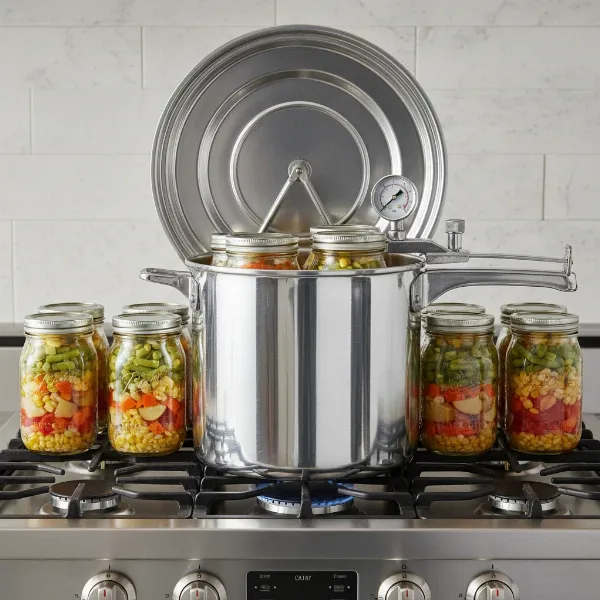 Stovetop pressure canner with jars inside, demonstrating food preservation process.
The Evolution of Pressure Canners
The history of pressure cooking and canning is a testament to culinary innovation and the enduring human desire to preserve food safely.
From Classic to Modern Pressure Canners
|
Our Picks for the Best Pressure cooker in 2026
As an Amazon Associate I earn from qualifying purchases.
|
||
| Num | Product | Action |
|---|---|---|
| 1 | Our Place Dream Cooker - 6 Qt Ceramic Nonstick Multicooker & Pressure Cooker with Touchscreen Controls & Auto Steam Release - 4 Modes: Pressure Cook, Sauté/Sear, Slow Cook & Warm - Steam |

|
| 2 | CHEF iQ Smart Pressure Cooker with WiFi and Built-in Scale - Easy-to-Use 10-in-1 Multicooker with 500+ Guided Recipes - Rice Cooker, Slow Cooker, Instant Meals for Foodies - 6 Quart - Family Size |
|
| 3 | Stove Top 304 Stainless Steel Pressure Cooker, One-hand Easy Handle Lid, 3 PSI Setting, 6 Safety Systems, Dishwasher Safe, Olla de Presion, Works for All Cooktops (8.5 QT) |
|
| 4 | COSORI Pressure Cooker 6QT, Stainless Steel, 9-in-1 Multi Cooker, 12 Safety Features, Ceramic Inner Pot, Rice, Slow Cook, Sous Vide, Saute, 1100W |
|
| 5 | COMFEE' 9-in-1 Electric Pressure Cooker, 14 Presets Instant Multi Cooker Olla de Presion Non-Stick Pot Yogurt Maker Rice Cooker Slow Cooker Sauté Steamer 6 Quarts Black |
|
| 6 | Instant Pot Duo 7-in-1 Mini Electric Pressure Cooker, Slow Rice Cooker, Steamer, Sauté, Yogurt Maker, Warmer & Sterilizer, Includes Free App with over 1900 Recipes, Stainless Steel, 3 Quart |
|
| 7 | Instant Pot Duo 7-in-1 Electric Pressure Cooker, Slow Cooker, Rice Cooker, Steamer, Sauté, Yogurt Maker, Warmer & Sterilizer, Includes App with Over 800 Recipes, Stainless Steel, 8 Quart |
|
| 8 | Our Place Dream Cooker - 6 Qt Ceramic Nonstick Multicooker & Pressure Cooker with Touchscreen Controls & Auto Steam Release - 4 Modes: Pressure Cook, Sauté/Sear, Slow Cook & Warm - Spice |
|
| 9 | Instant Pot Duo 7-in-1 Electric Pressure Cooker, Slow Cooker, Rice, Steamer, Sauté, Yogurt Maker, Warmer & Sterilizer, Includes App With Over 800 Recipes, Stainless Steel, 6 Quart |
|
| 10 | Our Place Dream Cooker - 6 Qt Ceramic Nonstick Multicooker & Pressure Cooker with Touchscreen Controls & Auto Steam Release - 4 Modes: Pressure Cook, Sauté/Sear, Slow Cook & Warm - Blue Salt |
|
The concept of using pressure to cook dates back to the 17th century with Denis Papin’s “steam digester,” an early precursor to the modern pressure cooker. These early devices were often rudimentary and carried significant safety risks, leading to many “exploding pot” anecdotes. Over time, designs improved, incorporating robust materials and more sophisticated sealing mechanisms.
Key Milestones
The early 20th century saw the introduction of household pressure cookers and canners, making food preservation more accessible to home cooks. Post-World War II, with advancements in manufacturing and materials science, pressure canners became increasingly safer and more efficient. The development of reliable pressure gauges, automatic vent releases, and secure locking lids transformed these once-intimidating appliances into household staples. Today’s pressure canners, like the Presto 23-Quart, embody decades of refinement, offering unparalleled safety and ease of use compared to their historical counterparts.
Popular Pressure Canner Types on the Market
Understanding the different types of pressure canners available is key to choosing the right one for your kitchen.
Stovetop Pressure Canners (Mechanical/Dial Gauge)
Stovetop pressure canners are the traditional choice for home canning. These units, like the Presto 23-Quart, are typically made from aluminum and are designed to be used on gas or electric stovetops. They rely on a dial gauge or a weighted gauge (or a combination) to indicate and regulate internal pressure. Dial gauges require you to visually monitor and adjust your stove’s heat to maintain the target pressure, which can involve a slight learning curve. Weighted gauges, on the other hand, jiggle or rock to release excess pressure, providing a more hands-off experience once the correct jiggling rhythm is established. The Presto 23-Quart primarily uses a dial gauge.
Electric Pressure Canners
Electric pressure canners are a newer addition to the canning landscape. These self-contained units have their own heating elements and often boast digital controls, automating much of the pressure regulation process. Many electric models eliminate the need for altitude adjustments and can be quieter than their stovetop counterparts. However, not all electric pressure cookers are certified for safe pressure canning of low-acid foods, so it’s crucial to choose a model specifically designed and approved for this purpose, such as the Presto Precise Digital Pressure Canner.
Distinguishing Features and Pros & Cons of Each Type
| Feature | Stovetop Pressure Canner (e.g., Presto 23-Quart) | Electric Pressure Canner (e.g., Presto Digital) |
|---|---|---|
| Heat Source | External stovetop (gas, electric, some induction compatible) | Integrated electric heating element |
| Pressure Control | Manual adjustment via stove heat; dial or weighted gauge | Automatic digital control; often no altitude adjustment needed |
| Capacity | Often larger (e.g., 23 quarts), ideal for big batches and stacking jars | Typically smaller (e.g., 12-17 quarts for canning), suitable for smaller batches |
| Portability | Can be heavy when full; tied to stove | Can be moved, but still takes up counter space |
| Cost | Generally more affordable | Higher initial investment |
| Pros | Large capacity, durable (especially aluminum), versatile, suitable for all canning | User-friendly, automatic, quiet, doesn’t heat kitchen, no stovetop space needed |
| Cons | Requires active monitoring, can be heavy, heats up kitchen, dial gauge needs calibration | Smaller capacity, longer cool-down times, not all models are canning-safe, can be leaky |
Presto 23-Quart Pressure Canner: Is It the Best for Canning?
The Presto 23-Quart Pressure Canner is a household name in home food preservation, lauded by many for its performance and value. Let’s examine why it’s often considered a top contender.
Capacity and Versatility
One of the most significant advantages of the Presto 23-Quart is its generous capacity. It can hold up to 7 quart-sized jars or an impressive 20 pint-sized jars (when double-stacked, often requiring an additional rack). This makes it ideal for processing large batches, which is a huge time-saver during harvest season. Beyond pressure canning low-acid foods, it also doubles as a boiling water bath canner for high-acid foods like fruits, jams, and pickles. This dual functionality means you get two essential preserving tools in one, maximizing your kitchen investment.
Design and Build Quality
The Presto 23-Quart is constructed from heavy-gauge aluminum, which makes it relatively lightweight compared to heavier cast aluminum or stainless steel models like the All American canners. Despite its lighter weight, it’s known to be sturdy and heats up evenly, contributing to consistent canning results. The secure lid locking mechanism ensures a tight seal, and the intuitive dial gauge provides precise pressure readings. However, this large canner can take up considerable space on your stovetop and might not fit easily in standard sinks for filling or cleaning.
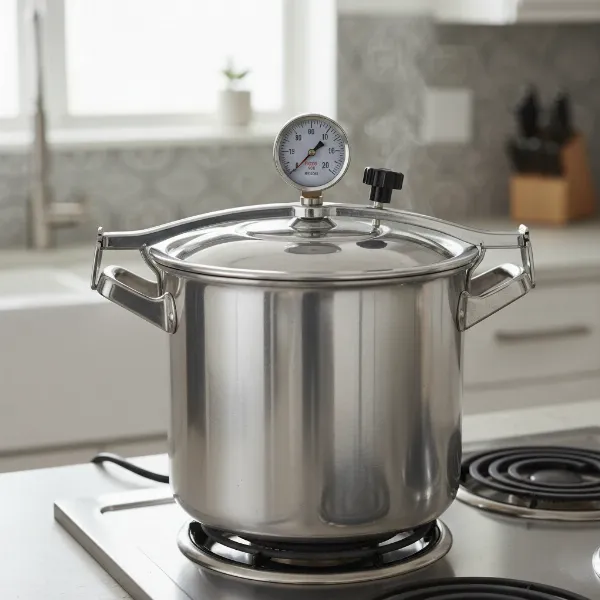 Close-up of Presto 23-Quart pressure canner on a stove, highlighting its dial gauge.
Performance and Ease of Use
Users frequently praise the Presto 23-Quart for its reliable performance. In tests, it operates smoothly, maintaining consistent pressure with proper heat management. While the dial gauge requires active monitoring to keep the pressure steady, many find it responsive, especially on gas stoves. Presto provides a comprehensive instruction booklet that is very helpful for beginners, often including recipes and detailed steps for safe operation. For those new to pressure canning, it’s recommended to do a test run with just water to get familiar with its operation.
Safety Features
Modern pressure canners, including the Presto 23-Quart, incorporate multiple safety features to prevent accidents. These typically include an air vent/cover lock that prevents the lid from being opened when pressure is present, and an overpressure plug designed to release excess steam if the pressure builds too high. These features have significantly improved safety compared to older models, addressing common fears about pressure canning.
Pros and Cons Summary
Pros:
- Large 23-quart capacity, accommodating 7 quart jars or 20 pint jars (stacked)
- Versatile: functions as both a pressure canner and a water bath canner
- Lightweight aluminum construction, making it easier to handle when empty
- Heats evenly and efficiently on gas and electric stoves
- Accurate dial gauge for precise pressure monitoring
- Generally more affordable than heavy-duty models
- Durable with proper care, can last for decades
Cons:
- Requires active monitoring of the dial gauge to maintain pressure
- Dial gauge needs annual testing and occasional recalibration for accuracy
- Can be bulky (“space hog”) and may not fit easily in standard sinks
- Aluminum construction, while lightweight, may not be as robust as cast aluminum or stainless steel over extreme long-term use
- Rubber gasket needs periodic replacement (typically every 3 years)
- May be oversized for very small batch canning, like single jars of jam.
“The Presto 23-Quart is a fantastic entry point for serious home canners, offering great capacity and reliability at a reasonable price. Its dual function as a water bath canner makes it incredibly versatile for preserving a wide range of foods.” – Jamie Smith, Certified Master Food Preserver
Comparing the Presto 23-Quart with Other Canning Methods
The Presto 23-Quart stands out when compared to other food preservation techniques.
Faster Canning
Pressure canning significantly reduces processing times compared to traditional water bath canning for compatible foods. For instance, low-acid vegetables that might require hours in a water bath can be processed in a fraction of the time under pressure. This efficiency is a major benefit, especially when dealing with large harvests.
Better Nutrient Retention
The shorter cooking times and sealed environment of pressure canning can help preserve more of the vitamins, minerals, and natural flavors in your food. Less exposure to air and prolonged high heat means more nutrients remain intact, resulting in healthier and tastier preserved goods.
Energy Efficiency
While stovetop pressure canners require a burner, the intense heat and pressure they generate mean food cooks faster, often using less overall energy than boiling or slow-cooking methods for the same result. The enclosed system traps steam, minimizing heat loss and speeding up the cooking process.
Comparison Table: Top Pressure Canners for Home Use
When considering a pressure canner, comparing popular models helps highlight their unique strengths.
| Product Name | Capacity | Material | Gauge Type | Key Features | Price Range (Approx.) | Verdict |
|---|---|---|---|---|---|---|
| Presto 23-Quart Pressure Canner | 23 Quarts | Heavy-gauge Aluminum | Dial (or Weighted with accessory) | Can hold 7 quarts/20 pints; doubles as water bath; works on gas/electric. | $100 – $150 | Excellent value, large capacity, versatile for most home canners. Needs gauge calibration. |
| All American 921 Pressure Canner | 21.5 Quarts | Cast Aluminum | Weighted & Dial | Gasket-free metal-to-metal seal; extremely durable; comes with two racks. | $300 – $400+ | Heavy-duty, built to last generations, preferred by many serious canners for longevity. Higher investment. |
| Presto Precise Digital Canner | 23 Quarts | Stainless Steel/Aluminum | Digital | Automatic pressure control; no altitude adjustments; multi-functional. | $300 – $350 | Easy, automated canning experience, especially for those who prefer less manual oversight. |
| Mirro 22-Quart Pressure Cooker/Canner | 22 Quarts | Aluminum | Weighted | Good capacity, weighted gauge for simpler pressure regulation. | $80 – $120 | Budget-friendly alternative, good for basic canning, but may recommend a separate pot for water-bath. |
Buying Guide: Choosing the Right Pressure Canner
Selecting the ideal pressure canner involves considering several factors to match your specific needs.
Assessing Your Canning Needs
Think about how often you plan to can and the types of foods you’ll be preserving. If you have a large garden or frequently buy produce in bulk, a high-capacity canner like the Presto 23-Quart is invaluable. For smaller batches or occasional canning, a 16-quart stovetop model or a specialized electric canner might suffice. Also, consider if you only need a pressure canner or if the dual functionality for water bath canning is important to you.
Selecting the Right Capacity
The 23-quart capacity is considered a standard large size, capable of holding 7 quart jars or multiple layers of pint jars. While larger canners mean fewer batches, ensure your stovetop can accommodate its size and weight, especially when full. Also, verify that it fits under your kitchen hood if height is a concern.
Canner Material (Aluminum, Stainless Steel)
- Aluminum: Lightweight, heats quickly and evenly, and is more affordable. The Presto 23-Quart is made of aluminum. It’s durable with proper care, but some find it less robust than heavier alternatives.
- Cast Aluminum: Heavier and exceptionally durable, known to last for generations (e.g., All American).
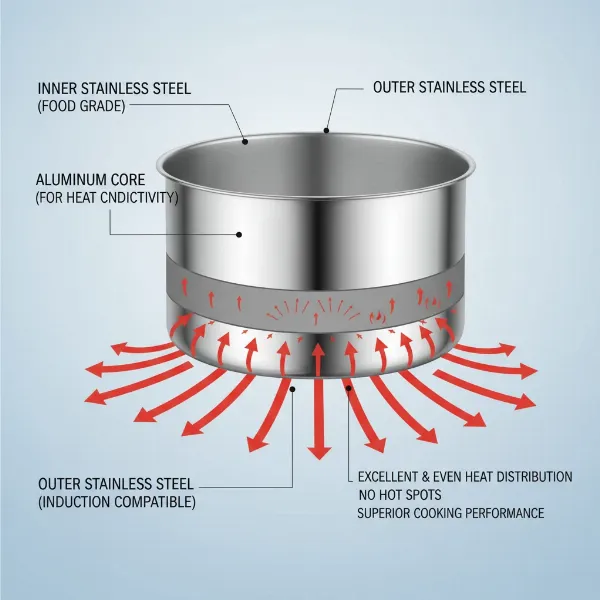
- Stainless Steel: Durable and non-reactive, but typically more expensive and may not heat as evenly as aluminum in some designs. Some specialized induction-compatible models feature a stainless steel base.
Essential Safety Features
Modern pressure canners should always include an overpressure plug (a small rubber stopper designed to pop out and release steam if pressure gets too high) and a cover lock that prevents the lid from being opened while the canner is pressurized. A clear, readable pressure gauge is also vital for monitoring safety and processing requirements.
Reputable Brands and Warranty
Presto is a highly reputable brand in canning, known for producing reliable and accessible products. Look for canners with a good warranty and readily available replacement parts, such as gaskets and overpressure plugs, to ensure longevity.
Safe and Effective Use of Your Presto 23-Quart Pressure Canner
Proper technique is paramount for safe and successful pressure canning.
Pre-Canning Preparations
Before each canning season or first use, thoroughly clean your canner. Check the rubber sealing gasket for any cracks or damage and ensure the air vent and overpressure plug are clear. If using a dial gauge, have it tested for accuracy annually at your local extension office or by sending it to Presto. Always add the recommended amount of water (usually 12 cups or about 3 quarts for the Presto 23-Quart) and a splash of white vinegar to prevent mineral deposits on jars and the canner itself. Place the canning rack at the bottom before adding jars.
Adjusting Pressure and Canning Times
Place your filled jars onto the rack, ensuring they don’t touch the sides. Secure the lid, aligning the marks as instructed by Presto. Heat the canner on medium-high until a steady stream of steam escapes from the vent pipe for 10 minutes (to ensure all air is vented). Then, apply the weighted gauge (if using) or allow the dial gauge to rise to your target pressure. For dial gauges, continuously adjust your stove’s heat to maintain the correct pressure, making allowances for your altitude. Start your processing time only when the correct pressure is reached and stable.
Safe Pressure Release Methods
Once the processing time is complete, turn off the heat. Allow the canner to cool naturally until the pressure gauge reads zero and the cover lock drops down. Never try to force open the lid or cool the canner quickly under cold water, as this can cause siphoning of liquid from jars or even an explosive release of steam. Once the pressure is fully released, carefully remove the weighted gauge (if applicable), unlock the lid, and open it away from your face to avoid residual steam.
Cleaning and Maintenance
After each use, wash the canner body and lid with warm, soapy water. Avoid abrasive cleaners or scouring pads, especially on aluminum, as they can damage the surface. Dry all parts thoroughly before storing to prevent water spots or corrosion. Regularly inspect the sealing ring, overpressure plug, and gasket for wear and tear, replacing them as needed. Storing the lid upside down on the canner body can help prolong the life of the gasket by preventing it from compressing excessively.
Delicious and Easy Recipes for Your Pressure Canner
Your Presto 23-Quart Pressure Canner opens up a world of culinary possibilities, making quick work of traditionally long-cooking dishes.
Hearty Stews and Meats
Pressure canning is perfect for preserving meats like beef, chicken, pork, and even venison. Imagine having ready-to-eat jars of beef stew, chicken chili, or pulled pork. The pressure tenderizes meats beautifully, infusing them with flavor while ensuring safe preservation.
Flavorful Soups
From robust vegetable soups to creamy potato leek, or classic chicken noodle, your pressure canner can preserve your favorite soups. Prepare large batches and can them for quick, wholesome meals on busy weeknights.
Creamy Porridges/Grains
While less common, some grains and legumes can be pressure canned for quick-cooking meals. Think pre-cooked beans for chili or even creamy rice pudding bases. Always refer to tested recipes for safe processing times.
Sauces and Pickles
Although high-acid foods like pickles and some tomato sauces can be water bath canned, the Presto 23-Quart can double as a water bath canner for these items. This means you only need one large pot for all your canning needs, from sweet berry jams to tangy dill pickles and savory pasta sauces.
Common Problems and Troubleshooting for Pressure Canners
Even with reliable equipment, you might encounter issues. Here are some common problems and their solutions:
- Loss of Pressure: This usually indicates a poor seal. Check the lid gasket for proper placement, damage, or food debris. Ensure the rim of the canner and lid are clean. Sometimes, the canner simply needs more heat to maintain pressure, especially on electric stoves.
- Gauge Not Registering Pressure: Verify that the vent pipe is clear and not clogged. Ensure the lid is properly sealed and locked.
- Siphoning (Liquid Loss from Jars): This often occurs due to rapid changes in pressure. Always allow the canner to depressurize naturally. Avoid opening the lid too soon or moving the canner while it’s still hot. Overfilling jars can also contribute to siphoning.
- Jars Not Sealing: Several factors can cause this, including improper headspace, chipped jar rims, faulty lids, or incorrect processing times/pressure. Double-check all steps and ensure new, high-quality lids are used for each batch.
Conclusion
The Presto 23-Quart Pressure Canner is undeniably a powerhouse for home food preservation. Its generous capacity, versatile functionality as both a pressure and water bath canner, and overall reliability make it an excellent choice for anyone serious about canning. While it requires attentive monitoring of its dial gauge, this essential tool offers a rewarding experience, allowing you to stock your pantry with delicious, safely preserved foods. With proper care and adherence to safety guidelines, the Presto 23-Quart can serve as your trusted canning companion for many years to come. Are you ready to embrace the bountiful world of home canning with this reliable canner?
Frequently Asked Questions
Is the Presto 23-Quart Pressure Canner safe for beginners?
Yes, the Presto 23-Quart is considered beginner-friendly due to its clear instructions and robust safety features. Performing a test run with water before canning food helps new users get accustomed to its operation and pressure management.
Can the Presto 23-Quart Pressure Canner be used on a glass top stove?
The Presto 23-Quart can generally be used on glass top stoves, but it is crucial to check your stove manufacturer’s guidelines for weight capacity and recommended cookware sizes. The large diameter and weight when full can be a concern for some glass top surfaces.
How often should the pressure gauge on my Presto 23-Quart be calibrated?
Presto recommends having the dial gauge on your pressure canner tested for accuracy annually. This can typically be done at your local county extension office, or you can send it directly to Presto for testing and recalibration.
What is the difference between a dial gauge and a weighted gauge on a pressure canner?
A dial gauge provides a continuous visual reading of the internal pressure, requiring you to adjust the heat manually. A weighted gauge maintains pressure by rocking or jiggling to release excess steam, offering a more hands-off method once the correct pressure is achieved. The Presto 23-Quart typically comes with a dial gauge.
Can I use my Presto 23-Quart Pressure Canner as a regular large pot?
Yes, the Presto 23-Quart can function as a very large stockpot for cooking big batches of soup, stock, or pasta. Its aluminum construction allows for even heating, making it versatile beyond its primary canning purpose.
What is the average lifespan of a Presto 23-Quart Pressure Canner?
With proper care and maintenance, including regular cleaning and replacing the rubber gasket and overpressure plug when necessary, a Presto 23-Quart Pressure Canner can last for several decades. It’s a durable tool designed for long-term use.
Why do I need to add vinegar to the water in my pressure canner?
Adding a splash of white vinegar to the canning water helps prevent mineral deposits (hard water stains) from forming on the inside of your canner and on your glass jars, keeping them clear and clean. It does not affect the safety or flavor of the canned food.