Welcome to the world of pressure cooking, a place where tough cuts of meat become fork-tender in under an hour and weeknight dinners feel less like a chore and more like a culinary adventure. If you’ve just unboxed your shiny new electric pressure cooker, you might be staring at a panel of buttons wondering where to begin. While “Pressure Cook” is the star of the show, there’s a humble hero that often gets overlooked: the Sauté button. Learning How To Use The Sauté Function is arguably the single most important step to unlocking restaurant-quality flavor from your device, transforming it from a simple steamer into a true one-pot wonder.
I remember my first pressure cooker meal. I was so excited that I just threw everything in—chicken, veggies, broth—sealed the lid, and hit start. The result? It was cooked, sure, but it was a bit… bland. The chicken was pale, and the flavors hadn’t really melded. The secret I was missing was that crucial first step, a step that builds a deep, savory foundation for any dish: sautéing. This guide is here to make sure you don’t make the same mistake I did. We’ll dive deep into this game-changing feature, turning you from a pressure cooker novice into a confident pro.
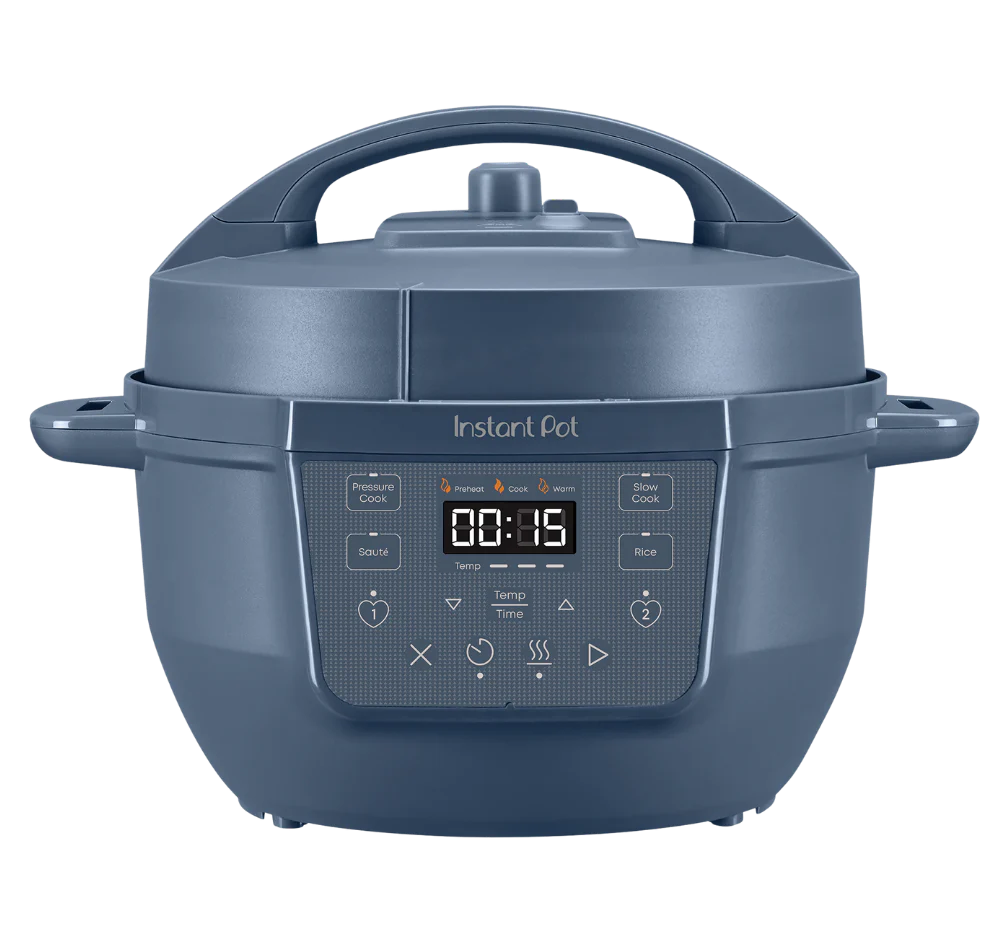
What Exactly is the Sauté Function?
Let’s break it down in the simplest terms. The sauté function turns your electric pressure cooker’s inner pot into a small skillet or frying pan. It uses the heating element at the bottom of the unit to heat the pot directly, allowing you to brown meats, soften vegetables, and toast spices right in the cooker before you ever lock the lid and bring it to pressure.
Think of it this way: instead of dirtying a separate pan on the stove to sear your beef for a stew and then transferring it to the pressure cooker, you can do it all in one pot. Less cleanup? Yes, please. But the real magic isn’t just convenience; it’s all about flavor.
Why You Should Never, Ever Skip the Sauté Step
Ever wonder why a stew from a restaurant tastes so much richer and more complex than one you make at home? The secret is often in the browning. This browning process is a chemical reaction known as the Maillard reaction. It’s the same magic that creates the crust on a steak or the golden-brown color of toast. When you sauté meat or even vegetables like onions and mushrooms, you’re creating hundreds of new flavor compounds that simply don’t exist when you boil or steam them.
Here’s why it’s a non-negotiable step for amazing food:
- Building the Flavor Foundation: Searing meat creates a delicious, caramelized crust. Sautéing aromatics like onions, garlic, and carrots releases their natural sweetness and deepens their flavor.
- Creating the “Fond”: As you sauté, you’ll notice little brown bits sticking to the bottom of the pot. In the culinary world, this is called “fond,” and it’s pure gold. These concentrated bits are packed with flavor. Later, when you add liquid (like broth, wine, or water) and scrape them up—a process called deglazing—you release all that savory goodness into your dish.
- Blooming Spices: Tossing your dry spices into the hot oil for about 30 seconds before adding other ingredients is called “blooming.” This simple act awakens their essential oils, making their flavor more vibrant and aromatic throughout the final dish.
A Step-by-Step Guide on How to Use the Sauté Function
Ready to unlock that flavor? Following these steps will ensure you get a perfect sear every time without ever seeing that dreaded “Burn” notice on your display.
- Prep is Key (Mise en Place): Before you even think about pressing that button, get all your ingredients ready. Chop your vegetables, measure your spices, and pat your meat dry with a paper towel. A dry surface is essential for getting a good brown crust; a wet surface will just steam.
- Press the Sauté Button: With the inner pot in the cooker, press the “Sauté” button. Most models will automatically start heating to a default “Medium” or “Normal” heat. The display will often read “On” while it’s preheating.
- Adjust the Temperature (If Available): Many electric pressure cookers, like the popular Instant Pot, allow you to adjust the heat level by pressing the “Sauté” button again. It typically cycles through “Less” (low), “Normal” (medium), and “More” (high).
- Less/Low: Great for simmering sauces or sweating vegetables slowly without browning.
- Normal/Medium: The perfect all-purpose setting for sautéing onions and garlic.
- More/High: Use this for getting a deep, dark sear on meats like beef or pork.
- Wait for it to Get Hot: Don’t rush this part! Give the pot a good 3-5 minutes to heat up fully. Most models will beep or change the display from “On” to “Hot” when they’re ready.
- Add Your Fat: Pour in a tablespoon or two of a high-smoke-point oil, like canola, avocado, or grapeseed oil. You can also use butter or ghee, but be careful not to let it burn on higher heat settings.
- Sauté in Batches: This is the most common mistake beginners make. Do not overcrowd the pot. If you pile all your meat in at once, the temperature will drop, and the meat will steam in its own juices instead of browning. Work in a single layer, leaving space between each piece. Once browned, remove the first batch to a plate and continue with the next.
- Deglaze, Deglaze, Deglaze!: After you’ve finished browning your meat and sautéing your vegetables, you’ll see those “fond” bits we talked about. Now is the time to deglaze. Press “Cancel” to turn off the heat. Pour in a bit of your cooking liquid (about 1/4 to 1/2 cup of broth, wine, or water) and use a wooden or silicone spoon to scrape up every last one of those flavorful brown bits from the bottom of the pot. This step is critical not only for flavor but also for preventing the “Burn” error during pressure cooking.
- Proceed with Your Recipe: Once the bottom of the pot is clean, add the rest of your ingredients back in, along with the remaining liquid. You are now ready to lock the lid, set the vent to “Sealing,” and start pressure cooking!
|
Our Picks for the Best Pressure Cooker in 2025
As an Amazon Associate, we earn from qualifying purchases.
|
||
| Num | Product | Action |
|---|---|---|
| 1 | COSORI Pressure Cooker 6QT, Stainless Steel, 9-in-1 Multi Cooker, 12 Safety Features, Ceramic Inner Pot, Rice, Slow Cook, Sous Vide, Saute, 1100W |

|
| 2 | Visit the CUCKOO Store |
|
| 3 | Our Place Dream Cooker | 6-quart Multicooker | 4 Versatile Modes | Pressure Cook, Slow Cook, Sear & Saute, Keep Warm | Hands-Free Steam Release | Tailored Control Panel | Steam |
|
| 4 | Instant Pot Duo 7-in-1 Mini Electric Pressure Cooker, Slow Rice Cooker, Steamer, Sauté, Yogurt Maker, Warmer & Sterilizer, Includes Free App with over 1900 Recipes, Stainless Steel, 3 Quart |
|
| 5 | Presto 01362 6-Quart Stainless Steel Pressure Cooker |
|
| 6 | DUMOS 12-in-1 Electric Pressure Cooker 6 QT Stainless Steel Multi Cooker Electric for Pressure, Rice, Steamer, Yogurt Maker, Slow Cook,Meat Stew, Cake, Porridge, Multigrain, Sliver |
|
| 7 | Safety Stainless Steel Pressure Cooker, 7.4 Qt with Release Valve & Multiple Protective Devices, Cooking Pressure Canner for Steam, Canning, Stewing on All Stovetops |
|
| 8 | CHEF iQ Smart Pressure Cooker with WiFi and Built-in Scale - Easy-to-Use 10-in-1 Multicooker with 500+ Guided Recipes - Rice Cooker, Slow Cooker, Instant Meals for Foodies - 6 Quart - Family Size |
|
| 9 | HealSmart 12-in-1 Multi Electric Pressure Cooker, Non-Stick 6QT Stainless Steel Pressure Cooker for Yogurt Maker, Slow Cooker, Cake, Multigrain, Dishwasher Safe |
|
| 10 | Instant Pot Duo 7-in-1 Electric Pressure Cooker, Slow Cooker, Rice, Steamer, Sauté, Yogurt Maker, Warmer & Sterilizer, Includes App With Over 800 Recipes, Stainless Steel, 6 Quart |
|
Common Mistakes to Avoid When Using Sauté Mode
Learning how to use the sauté function effectively also means knowing what not to do. Avoid these common pitfalls:
- Using the Glass Lid: While some models come with a glass lid, it’s meant for the “Slow Cook” function. When sautéing, it’s best to leave the pot uncovered to allow steam to escape so your food can brown properly.
- Walking Away: The sauté function is an active cooking mode, just like using a pan on the stove. Don’t walk away! Food can burn quickly, especially on the “More” setting.
- Forgetting to Deglaze: I’ll say it one more time because it’s that important. Any food stuck to the bottom of the pot can scorch when the unit comes to pressure, triggering the “Burn” sensor and stopping the cooking process.
- Using Metal Utensils: Most pressure cooker inner pots have a stainless steel or non-stick surface. To avoid scratching and damaging the pot, always use wooden, silicone, or plastic utensils.
As Chef Isabella Rossi, a kitchen appliance specialist, often says, “The sauté function is the bridge between good and great pressure-cooked meals. It’s the five minutes of prep that pays off with an hour’s worth of deep, developed flavor. Don’t skip your ticket to a better dinner.”
Sautéing in Different Types of Pressure Cookers
While the principle is the same, the execution can vary slightly depending on your appliance.
Electric Pressure Cookers
This is where the dedicated “Sauté” button shines. Models from brands like Instant Pot, Ninja Foodi, and Crockpot Express have made this feature a standard. The built-in heating element and adjustable temperature settings provide a convenient, all-in-one experience.
Stovetop Pressure Cookers
A stovetop pressure cooker doesn’t have any buttons, but you can absolutely still sauté in it! In fact, this is how it was done for decades. Simply place the pot (without the lid) on your stovetop burner and use it just like you would any other stockpot. Brown your meats and veggies over medium-high heat, deglaze the pot, and then lock the lid on to bring it to pressure over the burner.
Frequently Asked Questions (FAQ)
Q1: Can I use the sauté function with the pressure cooking lid on?
A: No, never. The sauté function is designed for open-pot cooking, just like a skillet. The pressure cooking lid should only be locked in place when you are ready to use the “Pressure Cook” function. Sealing the lid during sauté could be dangerous and will prevent your food from browning.
Q2: What’s the best oil to use for sautéing in a pressure cooker?
A: You want an oil with a high smoke point, especially when using the “More” or “High” setting for searing meat. Avocado oil, grapeseed oil, canola oil, and sunflower oil are all excellent choices. Olive oil can work on lower settings for vegetables, but it can burn at high temperatures.
Q3: How do I stop my food from sticking when I sauté?
A: There are three keys to preventing sticking. First, make sure the pot is fully preheated before you add the oil. Second, make sure the oil is hot and shimmering before you add the food. Third, don’t try to move the food too early. When searing meat, let it sit undisturbed for a few minutes; it will release naturally from the pot once a good crust has formed.
Q4: My pressure cooker gave me a “Burn” message. Is it because of the sauté function?
A: It’s very likely related. The “Burn” or “Ovht” (Overheat) error is usually triggered when the sensors at the bottom of the cooker detect a scorching spot. This is almost always caused by food bits that were left stuck to the pot after sautéing. A thorough deglazing is the best way to prevent this.
Q5: Do I need to clean the pot between sautéing and pressure cooking?
A: No, absolutely not! All those browned bits and rendered fat from sautéing are the foundation of your dish’s flavor. You want all of that to stay in the pot. Simply deglaze to lift the stuck-on bits, and you’re ready for the next step.
The Final Sizzle
Mastering how to use the sauté function is your gateway to elevating every single meal you make in your pressure cooker. It’s the difference between a flat, one-note chili and a chili with deep, smoky, complex layers of flavor. It’s the secret to a rich, brown beef stew that tastes like it simmered for hours. This simple, ten-minute step is a small investment of time that yields an enormous return in taste. So next time you reach for your pressure cooker, don’t just dump and go. Hit that Sauté button, build your layers of flavor, and get ready to be amazed at what your one-pot wonder can truly do.