Imagine perfectly cooked rice – each grain distinct, fluffy, and tender, ready to complement any meal. For too long, achieving this seemingly simple feat has been a kitchen challenge, often resulting in mushy, burnt, or undercooked grains. But what if there was a way to guarantee flawless rice with minimal effort, every single time? The secret lies in harnessing the power of your pressure cooker. This guide, crafted from over a decade of hands-on experience with every type of pressure cooker imaginable, will transform your rice-cooking game, making it safe, efficient, and consistently delicious.
What is a Pressure Cooker?
At its core, a pressure cooker is a sealed pot that cooks food faster than conventional methods by trapping steam, which increases the internal pressure and raises the boiling point of water. This creates an environment where food cooks more quickly and efficiently, often retaining more nutrients and flavor compared to traditional stovetop or oven cooking. It’s a versatile kitchen workhorse, capable of everything from stews and roasts to, yes, perfectly cooked rice.
The Evolution of the Pressure Cooker
The concept of pressure cooking dates back to the 17th century with Denis Papin’s “Digester.” This early invention aimed to extract fats from bones and soften food. Over centuries, these robust, often intimidating devices evolved.
From Classic Stovetop to Modern Electric Wonders
|
Our Picks for the Best Pressure cooker in 2026
As an Amazon Associate I earn from qualifying purchases.
|
||
| Num | Product | Action |
|---|---|---|
| 1 | Our Place Dream Cooker - 6 Qt Ceramic Nonstick Multicooker & Pressure Cooker with Touchscreen Controls & Auto Steam Release - 4 Modes: Pressure Cook, Sauté/Sear, Slow Cook & Warm - Spice |

|
| 2 | Stove Top 304 Stainless Steel Pressure Cooker, One-hand Easy Handle Lid, 3 PSI Setting, 6 Safety Systems, Dishwasher Safe, Olla de Presion, Works for All Cooktops (8.5 QT) |
|
| 3 | COMFEE' 9-in-1 Electric Pressure Cooker, 14 Presets Instant Multi Cooker Olla de Presion Non-Stick Pot Yogurt Maker Rice Cooker Slow Cooker Sauté Steamer 6 Quarts Black |
|
| 4 | COSORI Pressure Cooker 6QT, Stainless Steel, 9-in-1 Multi Cooker, 12 Safety Features, Ceramic Inner Pot, Rice, Slow Cook, Sous Vide, Saute, 1100W |
|
| 5 | Instant Pot Duo 7-in-1 Electric Pressure Cooker, Slow Cooker, Rice, Steamer, Sauté, Yogurt Maker, Warmer & Sterilizer, Includes App With Over 800 Recipes, Stainless Steel, 6 Quart |
|
| 6 | Instant Pot Duo 7-in-1 Mini Electric Pressure Cooker, Slow Rice Cooker, Steamer, Sauté, Yogurt Maker, Warmer & Sterilizer, Includes Free App with over 1900 Recipes, Stainless Steel, 3 Quart |
|
| 7 | Our Place Dream Cooker - 6 Qt Ceramic Nonstick Multicooker & Pressure Cooker with Touchscreen Controls & Auto Steam Release - 4 Modes: Pressure Cook, Sauté/Sear, Slow Cook & Warm - Steam |
|
| 8 | CHEF iQ Smart Pressure Cooker with WiFi and Built-in Scale - Easy-to-Use 10-in-1 Multicooker with 500+ Guided Recipes - Rice Cooker, Slow Cooker, Instant Meals for Foodies - 6 Quart - Family Size |
|
| 9 | Our Place Dream Cooker - 6 Qt Ceramic Nonstick Multicooker & Pressure Cooker with Touchscreen Controls & Auto Steam Release - 4 Modes: Pressure Cook, Sauté/Sear, Slow Cook & Warm - Blue Salt |
|
| 10 | Instant Pot Duo 7-in-1 Electric Pressure Cooker, Slow Cooker, Rice Cooker, Steamer, Sauté, Yogurt Maker, Warmer & Sterilizer, Includes App with Over 800 Recipes, Stainless Steel, 8 Quart |
|
Early pressure cookers were exclusively stovetop models, characterized by a heavy pot, a locking lid, and a jiggling pressure regulator. While effective, they required careful monitoring and manual pressure release. The 20th century saw significant advancements in safety mechanisms, making them more user-friendly.
Key Milestones in Pressure Cooker History
The most significant leap came with the advent of electric pressure cookers, particularly multi-cookers like the Instant Pot, in the early 21st century. These modernized versions integrated microprocessors, offering programmable settings, digital displays, and enhanced safety features, making pressure cooking accessible and convenient for a wider audience. This shift revolutionized home cooking, turning a once niche appliance into a kitchen staple.
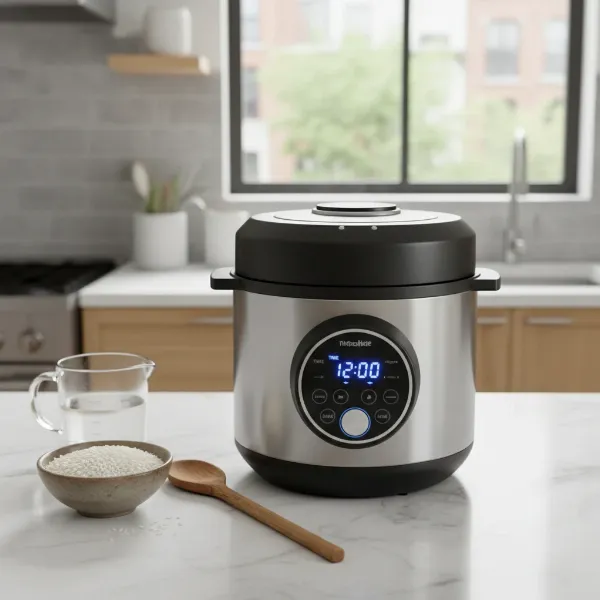 An illustrative image of a modern electric multi-cooker with digital display and controls in a contemporary kitchen setting.
Popular Pressure Cooker Types on the Market
Understanding the different types of pressure cookers available helps you choose the best one for your cooking style and needs, especially when it comes to preparing rice.
Stovetop Pressure Cookers (Gas, Electric Induction Compatible)
Stovetop models are the classic choice, known for their durability and ability to reach higher pressures than electric models, often resulting in slightly faster cooking times. They are typically made from stainless steel or aluminum.
- Pros: Often more affordable, durable, can reach higher pressure levels, no electrical components to fail, good for browning before pressure cooking.
- Cons: Requires manual heat adjustment and monitoring, manual pressure release, can be intimidating for beginners.
Electric Pressure Cookers
Electric pressure cookers, often called multi-cookers, are plug-and-play appliances that simplify the pressure cooking process. They regulate pressure and temperature automatically.
- Pros: User-friendly, programmable settings (like a dedicated “rice” button), hands-off operation, built-in safety features, often combine multiple functions (slow cook, sauté, yogurt maker).
- Cons: Generally more expensive, takes longer to reach pressure, may not reach as high pressures as stovetop models, electrical components can fail.
Distinguishing and Weighing the Pros and Cons
The choice between stovetop and electric largely depends on your comfort level and lifestyle. Stovetop models offer raw power and control, while electric versions prioritize convenience and automation. For consistent rice, both can yield excellent results, but electric models often offer specific “rice” or “grain” settings that simplify the process.
Pressure Cookers Versus Other Cooking Methods
When it comes to cooking rice, the pressure cooker truly stands apart from traditional stovetop pots or even dedicated rice cookers.
Faster Cooking
The primary advantage of a pressure cooker is speed. By elevating the boiling point of water, pressure cookers drastically cut down cooking times. What might take 20-30 minutes on the stovetop can be ready in a fraction of that time under pressure, including the time to build and release pressure.
Better Nutrient Retention
High-heat, fast cooking in a sealed environment means less exposure to oxygen and evaporation, which helps to preserve water-soluble vitamins and minerals that can be lost in conventional cooking methods. This means your pressure cooker rice isn’t just faster, it’s often more nutritious too.
Energy Efficiency
Because they cook food so quickly and efficiently, pressure cookers use less energy overall. The sealed environment minimizes heat loss, ensuring that the energy you put into heating the pot goes directly into cooking your food, rather than dissipating into your kitchen.
“A pressure cooker is a game-changer for busy households. It’s not just about speed; it’s about unlocking deeper flavors and maintaining nutritional integrity with incredible ease.” – Chef Anya Sharma, Culinary Expert
Key Features to Look for in a Pressure Cooker for Rice
Choosing the right pressure cooker can significantly impact your rice cooking experience. Here’s what to prioritize:
| Feature | Description | Benefit for Rice Cooking |
|---|---|---|
| Capacity | The volume the pot can hold (e.g., 6-quart, 8-quart). | Matches your family size; larger for entertaining, smaller for individuals. |
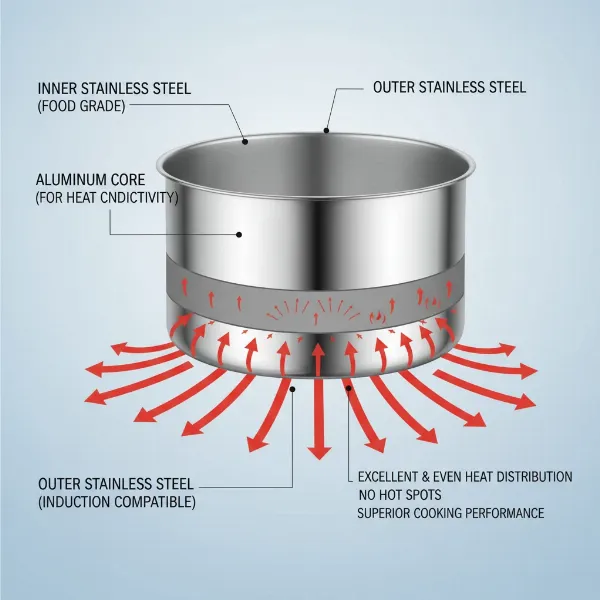
| Material | Stainless steel for durability, aluminum for heat conduction. | Stainless steel is durable and non-reactive; prevents sticking and is easy to clean. |
| Safety Features | Multiple pressure release valves, automatic locking lids. | Essential for safe operation, especially when dealing with steam and pressure. |
| Preset Programs | Dedicated buttons for “Rice,” “Grains,” “Porridge.” | Simplifies cooking, automates timing and pressure levels for consistent results. |
| Inner Pot Material | Stainless steel or non-stick coating. | Stainless steel is preferred for long-term use and consistent heating; non-stick for easy cleanup but less durable. |
| Manual Mode | Allows setting specific pressure and time. | Gives you ultimate control for experimenting with different rice types and textures. |
| Natural Release Option | Ability to let pressure dissipate slowly. | Crucial for perfectly cooked, fluffy rice as it prevents sudden changes in temperature that can cause mushiness. |
Guide to Selecting the Right Pressure Cooker
Beyond just making rice, a good pressure cooker is an investment. Here’s how to choose wisely:
Determine Your Usage Needs
Consider how often you’ll cook and for how many people. A 6-quart model is excellent for families of 2-4, while an 8-quart or larger is better for bigger families or meal prepping. Think about the types of dishes you’ll make most frequently – if rice is a staple, prioritize features that benefit it.
Choose the Right Capacity
As mentioned, capacity is key. A pot that’s too small will limit you, while one that’s too large can be cumbersome. Remember that you should never fill a pressure cooker more than two-thirds full for most foods, and only halfway for foods that expand like beans or grains.
Pot Material (Stainless Steel, Aluminum, Cast Iron)
- Stainless Steel: The most popular choice due to its durability, non-reactivity, and easy cleaning. It heats evenly and maintains pressure well.
- Aluminum: Lighter and heats quickly, but can react with acidic foods and may stain.
- Cast Iron: Less common for pressure cookers but offers exceptional heat retention. Very heavy and requires specific care.
Essential Safety Features
Modern pressure cookers are incredibly safe, but always check for:
- Lid Lock: Prevents opening when under pressure.
- Pressure Release Valve: Automatically releases excess pressure.
- Safety Vent: A backup mechanism to release pressure if the primary valve fails.
- Anti-Block Shield: Prevents food particles from blocking the steam release valve.
Reputable Brands and Warranty Policy
Stick to well-known brands like Instant Pot, Ninja Foodi, Cuisinart, or Fissler. These brands typically offer robust warranties and reliable customer support, ensuring peace of mind with your purchase.
How to Cook Perfect Rice Safely and Effectively
Achieving perfectly fluffy rice in your pressure cooker is incredibly simple once you master a few key steps.
Preparation Before Cooking
- Rinse the Rice: This is a crucial step for achieving fluffy, separate grains. Place your rice in a fine-mesh sieve and rinse under cold running water until the water runs clear. This removes excess starch that can lead to sticky, gummy rice.
- Water-to-Rice Ratio: The golden rule for most white rice (jasmine, basmati) in a pressure cooker is a 1:1 ratio of rice to water or broth. For every cup of rice, use one cup of liquid. For brown rice, you might need slightly more, around 1:1.25 (1 cup rice to 1.25 cups water) for a firmer texture, or 1:1.5 for a softer grain.
- Add Salt (Optional): A pinch of salt (about 1/4 teaspoon per cup of rice) enhances the flavor.
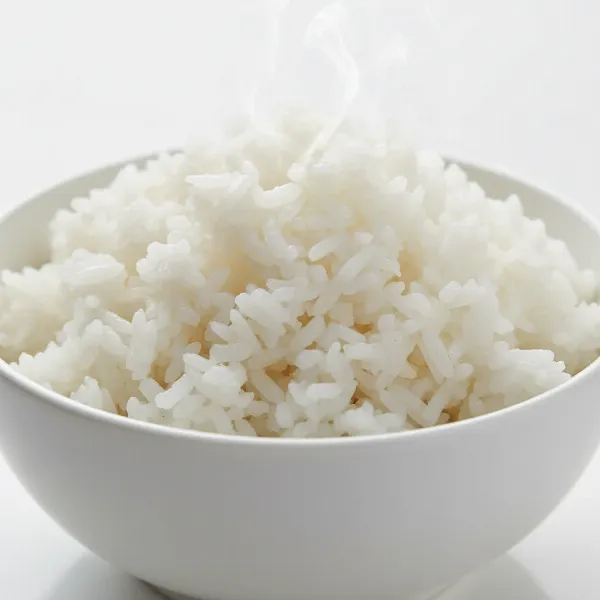 A close-up image of perfectly cooked, fluffy white rice in a serving bowl, ready to be enjoyed.
Adjusting Pressure and Cooking Time
Cooking times vary by rice type and desired texture:
- White Rice (Jasmine, Basmati): Combine 1 cup rinsed rice with 1 cup water and a pinch of salt in your pressure cooker. Secure the lid and set to high pressure for 3-5 minutes.
- Brown Rice: Combine 1 cup rinsed brown rice with 1.25 to 1.5 cups water and a pinch of salt. Secure the lid and set to high pressure for 15-22 minutes.
- Sushi Rice: Use a 1:1.1 rice to water ratio and cook on high pressure for 6 minutes.
Always refer to your specific pressure cooker’s instructions, as models can vary slightly.
Safe Pressure Release Techniques
After cooking, the pressure needs to be released. This is a critical step for perfect rice.
- Natural Release (NR): This is the preferred method for rice. Allow the pressure to release naturally for 10-15 minutes. This means simply letting the pressure cooker cool down on its own without touching the valve. Natural release allows the rice to continue steaming gently, absorbing remaining moisture and firming up, preventing mushiness. Once the float valve drops, you can carefully open the lid.
- Quick Release (QR): While some recipes might call for it, quick release (manually opening the valve to vent steam) is generally not recommended for rice as it can lead to undercooked or gummy results due to a sudden temperature drop. If there’s any remaining pressure after 10-15 minutes of natural release, then you can quick release the rest.
Cleaning and Storing Your Pressure Cooker
Always ensure your pressure cooker is cooled down and depressurized before cleaning. Wash the inner pot, lid, and sealing ring thoroughly after each use. Pay special attention to the steam release valve and anti-block shield to prevent blockages. Store the lid upside down on the pot to prevent the sealing ring from retaining odors.
Delicious Dishes Made Easy with Your Pressure Cooker
The pressure cooker isn’t just for plain rice; it’s a gateway to countless culinary creations. Here are a few categories where pressure cooker rice truly shines:
Hearty Stews
Pair your perfectly cooked rice with rich, tender stews like beef bourguignon, lamb tagine, or classic chicken stew. The pressure cooker cooks both the stew and rice efficiently, making it a complete meal solution.
Comforting Soups
From creamy tomato soup to hearty minestrone, a side of fluffy rice can soak up the flavors, adding substance and warmth. Many soup recipes can even be adapted for pressure cooking, reducing simmering times dramatically.
Flavorful Porridges and Congees
The pressure cooker excels at breaking down grains, making it ideal for creamy rice porridges or traditional Asian congee. Achieve silky textures in a fraction of the stovetop time.
Savory Braises and Curries
Whether it’s a spicy chicken curry, a fragrant lamb rogan josh, or a comforting pot roast, pressure-cooked rice is the perfect neutral canvas to absorb the bold flavors of these dishes. The pressure cooker helps create fork-tender meats and deeply flavored sauces, while the rice provides the ideal accompaniment.
Common Pressure Cooker Rice Problems and Solutions
Even with the best intentions, things can sometimes go wrong. Here’s how to troubleshoot common issues:
Mushy Rice
- Problem: Too much water or insufficient natural release.
- Solution: Reduce your water-to-rice ratio slightly (e.g., from 1:1.25 to 1:1 for white rice, or 1:1 to 0.75:1 if you prefer very firm rice). Ensure you allow for full natural pressure release for at least 10-15 minutes. Avoid quick release.
Undercooked/Hard Rice
- Problem: Not enough water, too little cooking time, or quick release.
- Solution: Increase water slightly (e.g., from 1:1 to 1:1.25). Extend cooking time by 1-2 minutes. Always use natural release for rice. If your rice is still hard, you can often add a tablespoon or two of hot water, reseal, and cook for another minute with natural release.
Burnt Bottom/”BURN” Error
- Problem: Not enough liquid, food stuck to the bottom, or neglecting to deglaze the pot after sautéing.
- Solution: Always ensure you have the minimum liquid required by your pressure cooker. If you sauté ingredients, deglaze the bottom of the pot thoroughly with liquid, scraping up any stuck-on bits before adding rice and pressure cooking. Use a trivet and a separate bowl for pot-in-pot cooking if the burn issue persists, especially for smaller quantities of rice.
Conclusion
Cooking perfect rice in a pressure cooker is not just a dream – it’s an achievable reality that will revolutionize your meal preparation. By understanding the critical water-to-rice ratios, precise cooking times, and the indispensable role of natural pressure release, you can confidently create fluffy, flavorful rice every single time. This method not only saves time and energy but also delivers superior texture and nutrient retention. So why settle for anything less than perfection? Embrace your pressure cooker and elevate your everyday meals. What new rice-based dishes will you discover next?
Frequently Asked Questions
What is the best water-to-rice ratio for white rice in a pressure cooker?
For most types of white rice like jasmine or basmati, a 1:1 ratio of rice to water or broth is ideal. This means for every one cup of rice, use one cup of liquid to achieve perfectly fluffy grains.
How long does it take to cook brown rice in a pressure cooker?
Brown rice typically requires longer cooking than white rice. Set your pressure cooker to high pressure for 15-22 minutes, followed by a full natural pressure release of at least 10-15 minutes, for tender and chewy results.
Should I rinse rice before pressure cooking?
Yes, rinsing rice thoroughly under cold water until it runs clear is highly recommended. This step removes excess starch, which is key to preventing sticky or gummy rice and achieving a lighter, fluffier texture.
Can I quick release pressure when cooking rice?
For best results with rice, it is generally advised to use a natural pressure release (allowing the pressure to dissipate on its own) for 10-15 minutes. Quick releasing pressure can sometimes lead to undercooked or mushy rice due to a sudden temperature change.
What causes rice to be mushy in a pressure cooker, and how can I fix it?
Mushy rice is often caused by using too much water or not allowing enough natural pressure release. To fix this, try slightly reducing your water-to-rice ratio and always allow for the full natural release time recommended for your rice type.
Can I use the “Rice” button on my electric pressure cooker?
While many electric pressure cookers have a “Rice” preset, it’s often optimized for white rice. For consistent results, especially with different rice types or preferred textures, using the manual/pressure cook setting with specific times and ratios can give you more control.