Let’s be real for a moment. Have you ever waged war with a stubborn eggshell, only to be left with a pockmarked, sad-looking egg and a countertop full of tiny shell fragments? We’ve all been there. It’s one of those minor kitchen frustrations that can sour your morning. But what if I told you there’s a ridiculously simple, almost magical way to get perfect, easy-to-peel eggs every single time? The secret weapon is already sitting on your counter. This guide will show you exactly How To Cook Eggs In A Pressure Cooker, a method so effective you’ll wonder why you ever did it any other way.
I’ll never forget the first time I tried it. I was skeptical, of course. A big, powerful machine for a humble egg? It seemed like overkill. But when the shell practically slipped off in one clean piece, I was an instant convert. This isn’t just about convenience; it’s about transforming a simple task into a foolproof science. A pressure cooker uses superheated steam to cook the eggs quickly and evenly, causing the egg white to pull away from the membrane. The result? A perfectly smooth egg, ready for deviled eggs, salads, or just a healthy snack.
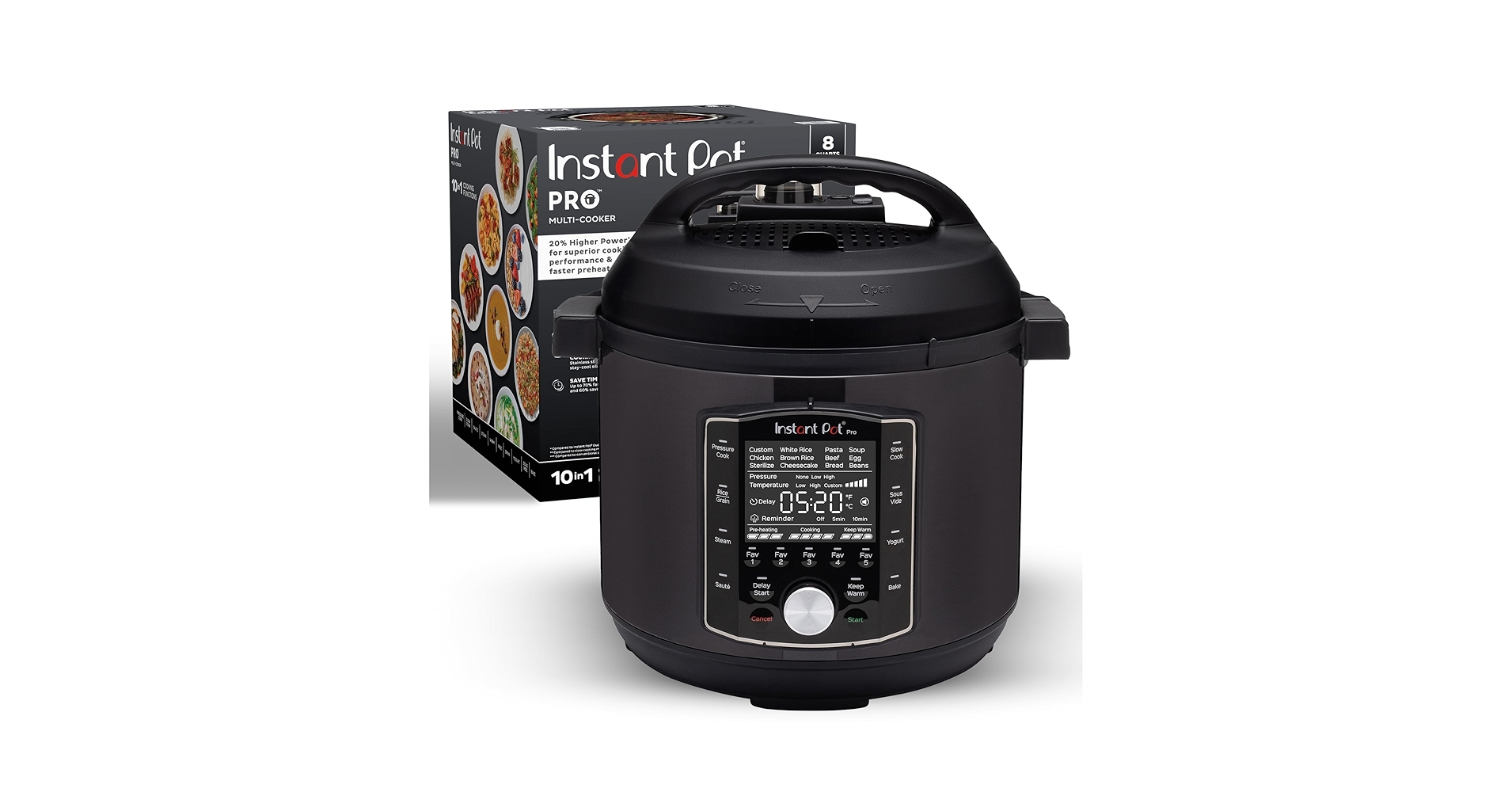
Why Use a Pressure Cooker for Eggs Anyway?
So, why bother with a pressure cooker when a simple pot of boiling water has worked for generations? It’s a fair question. The answer lies in three beautiful words: speed, consistency, and peel-ability.
- Unbeatable Speed: A pressure cooker can bring a small amount of water to temperature and pressure in minutes. The entire process, from start to finish, often takes less than 15 minutes. No more waiting for a large pot of water to boil!
- Flawless Consistency: Because the pressure cooker creates a perfectly controlled environment, your results are the same every single time. Say goodbye to chalky, overcooked yolks or runny, undercooked whites. You dial in your perfect time, and the cooker delivers.
- The “Easy-Peel” Dream: This is the real game-changer. The high-pressure steam creates a separation between the egg membrane and the shell. This makes peeling so easy it feels like a magic trick. Even super fresh eggs, which are notoriously difficult to peel when boiled, surrender easily.
What You’ll Need: The Essential Gear
The good news is you don’t need a lot of fancy equipment. The beauty of this method is its simplicity.
- A Pressure Cooker: This works great in both an electric pressure cooker (like an Instant Pot) or a traditional stovetop pressure cooker.
- A Trivet or Steamer Rack: This is crucial. You must keep the eggs elevated out of the water. Placing them directly in the water will cause them to bounce around and crack. The metal trivet that came with your cooker is perfect.
- Water: Just one cup is usually all you need for an electric model.
- Eggs: As many as you can fit in a single layer on your trivet.
- A Bowl of Ice Water: Don’t skip this! The ice bath is key to stopping the cooking process and making the eggs easy to peel.
The Foolproof Guide on How to Cook Eggs in a Pressure Cooker
Ready to make the best hard-boiled eggs of your life? It’s incredibly simple. Many people in the community swear by the “5-5-5 method,” which is a great starting point for standard large, hard-boiled eggs. Let’s break it down.
Step 1: Preparation is Key
First, place the trivet or steamer rack in the bottom of your pressure cooker’s inner pot. Pour in one cup of cold water. Gently arrange the eggs on the trivet in a single layer. It’s okay if they touch, but try not to crowd them too much. Secure the lid, making sure the safety valve is set to the “Sealing” position.
Step 2: The Magic Numbers – Setting the Time
This is where you customize your egg’s destiny. The cooking time determines the doneness of your yolk. Plug in your electric pressure cooker and select the “Pressure Cook” or “Manual” setting on High Pressure.
Here is a handy timing chart for a standard large egg:
| Desired Doneness | Cook Time (High Pressure) |
|---|---|
| Soft-Boiled (runny yolk) | 3 Minutes |
| Medium-Boiled (jammy yolk) | 4 Minutes |
| Hard-Boiled (fully set yolk) | 5 Minutes |
Expert Tip: According to kitchen appliance specialist, David Chen, “The timing is everything. Start with these guidelines, but don’t be afraid to adjust by a minute up or down based on your specific cooker model and the size of your eggs. A minute makes a huge difference in the world of pressure cooking.”
Step 3: The Pressure Release
Once the timer goes off, you need to release the pressure. For eggs, you must use the quick release method. Carefully turn the steam release valve to the “Venting” position. Stand back, as a powerful jet of steam will shoot out. Using a long-handled spoon to turn the valve is a great safety habit. A natural release will continue to cook the eggs, leading to overcooked, rubbery whites and that dreaded grey-green ring around the yolk.
Step 4: The Ice Bath Plunge
As soon as you can safely open the lid, use tongs to immediately transfer the hot eggs into the prepared bowl of ice water. Let them chill for at least 5 minutes. This rapid cooling does two things: it stops the residual heat from overcooking the yolks, and it causes the egg white to contract, pulling away from the shell membrane even more. This is the final step to ensuring that shell slides right off.
|
Our Picks for the Best Pressure Cooker in 2025
As an Amazon Associate, we earn from qualifying purchases.
|
||
| Num | Product | Action |
|---|---|---|
| 1 | CHEF iQ Smart Pressure Cooker with WiFi and Built-in Scale - Easy-to-Use 10-in-1 Multicooker with 500+ Guided Recipes - Rice Cooker, Slow Cooker, Instant Meals for Foodies - 6 Quart - Family Size |

|
| 2 | Instant Pot Duo 7-in-1 Electric Pressure Cooker, Slow Cooker, Rice, Steamer, Sauté, Yogurt Maker, Warmer & Sterilizer, Includes App With Over 800 Recipes, Stainless Steel, 6 Quart |
|
| 3 | Presto 01362 6-Quart Stainless Steel Pressure Cooker |
|
| 4 | Visit the CUCKOO Store |
|
| 5 | Safety Stainless Steel Pressure Cooker, 7.4 Qt with Release Valve & Multiple Protective Devices, Cooking Pressure Canner for Steam, Canning, Stewing on All Stovetops |
|
| 6 | Our Place Dream Cooker | 6-quart Multicooker | 4 Versatile Modes | Pressure Cook, Slow Cook, Sear & Saute, Keep Warm | Hands-Free Steam Release | Tailored Control Panel | Steam |
|
| 7 | HealSmart 12-in-1 Multi Electric Pressure Cooker, Non-Stick 6QT Stainless Steel Pressure Cooker for Yogurt Maker, Slow Cooker, Cake, Multigrain, Dishwasher Safe |
|
| 8 | Instant Pot Duo 7-in-1 Mini Electric Pressure Cooker, Slow Rice Cooker, Steamer, Sauté, Yogurt Maker, Warmer & Sterilizer, Includes Free App with over 1900 Recipes, Stainless Steel, 3 Quart |
|
| 9 | COSORI Pressure Cooker 6QT, Stainless Steel, 9-in-1 Multi Cooker, 12 Safety Features, Ceramic Inner Pot, Rice, Slow Cook, Sous Vide, Saute, 1100W |
|
| 10 | DUMOS 12-in-1 Electric Pressure Cooker 6 QT Stainless Steel Multi Cooker Electric for Pressure, Rice, Steamer, Yogurt Maker, Slow Cook,Meat Stew, Cake, Porridge, Multigrain, Sliver |
|
Common Mistakes to Avoid When Cooking Eggs
While the process is simple, a few common slip-ups can trip up newcomers. Here’s what to watch out for:
- Forgetting the Trivet: Never place eggs directly in the water. They will crack from the intense bubbling and won’t cook evenly.
- Using Natural Release: As mentioned, letting the pressure release naturally will overcook your eggs. Always use the quick release method for predictable results.
- Skipping the Ice Bath: This step is non-negotiable for easy peeling and perfect yolks. Don’t be tempted to just run them under cool tap water—it’s not cold enough.
- Overcrowding the Pot: While you can cook a dozen or more eggs at once, they should ideally be in a single layer on the rack. Stacking them can lead to uneven cooking and increase the risk of cracking.
Let’s Talk Safety: A Quick Refresher
Pressure cookers are incredibly safe modern appliances, but it’s always wise to respect the power you’re working with. Before you start, always do a quick check:
- Ensure your silicone sealing ring is clean and properly seated in the lid.
- Never fill your pressure cooker more than two-thirds full (not an issue for eggs, but a good general rule).
- Keep your face and hands away from the steam release valve when performing a quick release.
- For more comprehensive information, be sure to check out our complete
[guide to pressure cooker safety tips].
Frequently Asked Questions
Q: Why did my eggs crack in the pressure cooker?
A: This usually happens for two reasons. The eggs were either placed directly in the water instead of on a trivet, or there was a drastic temperature change. Try using eggs that aren’t straight from a very cold fridge to minimize the temperature shock.
Q: Can I stack eggs in the pressure cooker?
A: You can, but it’s not ideal. For the most consistent results, a single layer is best. If you must stack, you can use a second, stackable trivet, but be aware that the eggs on the bottom layer might cook slightly faster.
Q: What is the 5-5-5 method for pressure cooker eggs?
A: It’s a popular and easy-to-remember recipe for perfect hard-boiled eggs. It stands for: 5 minutes at High Pressure, 5 minutes of Natural Release (this is an exception to the quick release rule, some people prefer it), and 5 minutes in an ice bath. We recommend a quick release for more precise results, but feel free to experiment!
Q: Do I need a special steamer basket to make eggs?
A: Nope! The simple metal trivet that comes with most electric pressure cookers works perfectly. Any accessory that keeps the eggs out of the direct water will do the job.
Q: How many eggs can I cook at once?
A: As many as you can comfortably fit on your trivet in a single layer without them being crammed together. For most standard 6-quart cookers, this is about 8-12 large eggs.
Your New Favorite Way to Cook Eggs
There you have it. Learning how to cook eggs in a pressure cooker isn’t just a novelty; it’s a genuine kitchen upgrade that saves time, eliminates frustration, and delivers consistently perfect results. No more battling with stubborn shells or guessing at cook times. You are in complete control. So go ahead, grab a dozen eggs, and give it a try. We promise you’ll be peeling with a smile and wondering how you ever lived without this simple, brilliant technique.