Let’s be real for a moment. The very idea of a “pressure cooker” can sound a bit intimidating, can’t it? I get it. The internet is filled with horror stories and dramatic videos. But here’s the secret the pros know: learning How To Avoid Pressure Cooker Explosions is surprisingly simple. Modern pressure cookers are marvels of engineering, packed with safety features that make them as safe as any other appliance in your kitchen—if you know how to use them correctly.
Forget the scary myths. Think of your pressure cooker as a shortcut to deeper flavors and weeknight meals in a fraction of the time. We’re talking fall-off-the-bone ribs in under an hour and hearty bean chili without an overnight soak. This guide will turn you from a hesitant onlooker into a confident pressure-cooking pro, ready to unlock a world of culinary speed and deliciousness, safely.
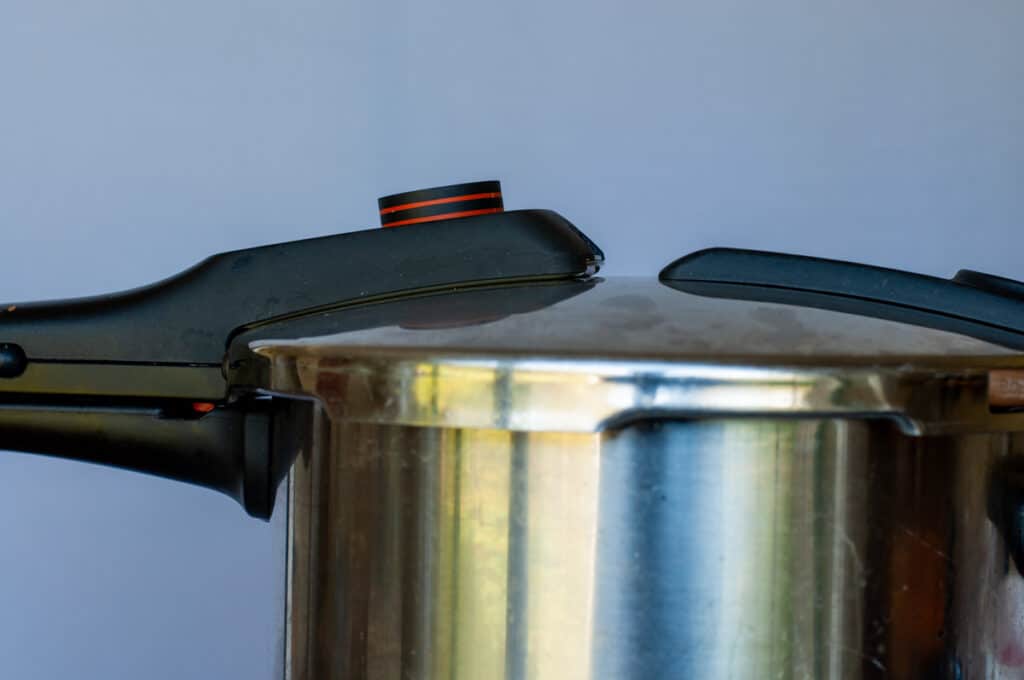
A Quick Peek at Pressure Cooker History: Why the Bad Rap?
The fear surrounding pressure cookers isn’t totally unfounded. The first-generation models from our grandparents’ era were, frankly, a bit primitive. They often had just one or two basic safety features, and a “jiggler” valve on top that would hiss and rattle like a tiny steam engine. If something went wrong, the potential for a mess—or worse—was very real.
But that was then. Today’s cookers are a different beast entirely.
“Comparing a vintage pressure cooker to a modern one is like comparing a Model T to a Tesla. Both are cars, but the technology, performance, and especially the safety features are worlds apart.” – Chef Isabella Rossi, Kitchen Appliance Expert
Modern cookers, both stovetop and electric, are equipped with multiple, redundant safety systems. We’re talking backup valves, locking lids that can’t be opened under pressure, and automatic shut-offs. The game has completely changed.
Stovetop vs. Electric: What’s the Difference in Safety?
Before we dive into the “how-to,” it’s helpful to know what you’re working with.
Stovetop Pressure Cookers
These are the classic pots that you use on your gas or electric range. You are in control of the heat, which means you need to be a bit more hands-on. They can often reach a higher pressure (15 PSI is standard) than their electric counterparts, which can speed up cooking even more. They are durable, simple, and fantastic pieces of equipment.
Electric Pressure Cookers
You probably know these by brand names like Instant Pot or Ninja Foodi. These are countertop appliances that do all the work for you. You select a setting, and the machine manages the pressure and temperature automatically. They are incredibly user-friendly and packed with safety sensors, making them an excellent choice for beginners. For a detailed comparison, check out [our guide to the best electric pressure cookers]().
Your Safety Checklist: How to Avoid Pressure Cooker Explosions Step-by-Step
Alright, let’s get to the heart of it. Follow these rules every single time, and you’ll be cooking with confidence. This isn’t just a list; it’s your new pressure-cooking ritual.
1. Read the Darn Manual
I know, I know. Who reads manuals? You do. Every pressure cooker is slightly different. Your manual is the single most important document for understanding your specific model’s safety features, minimum liquid requirements, and cleaning instructions. Read it. Then read it again.
2. Perform a Pre-Flight Inspection
Before you add a single ingredient, take 30 seconds to inspect your cooker.
- The Gasket (Sealing Ring): This silicone ring sits inside the lid. It should be clean, free of cracks, and properly seated. Think of it like the weatherstripping on a car door—if it’s not creating a perfect seal, it’s not going to work.
- The Valves: Check the pressure release valve and the floating valve. Make sure they are clean and can move freely. A bit of food debris can easily clog them, which is a primary cause of safety issues.
- The Pot: Look for any major dents or warping on the inner pot or the rim, which could prevent a proper seal.
3. Respect the Fill Lines (This is a BIG one)
Overfilling is one of the most common—and dangerous—mistakes. A pressure cooker needs empty space (headspace) for steam to build. Without that steam, there’s no pressure.
- The General Rule: Never fill your pressure cooker more than two-thirds full. This gives the steam plenty of room to work its magic.
- For Foods that Expand: For things like beans, rice, and pasta that expand during cooking, never fill the pot more than half full. This prevents them from frothing up and clogging the steam valves.
4. Don’t Forget the Liquid
No liquid = no steam = no pressure. You must always use a sufficient amount of liquid (usually water, broth, or stock) to generate the steam needed for cooking. Most electric models require a minimum of 1 cup of liquid, but again, check your manual. This is a non-negotiable rule.
5. Lock the Lid Securely
This might seem obvious, but it’s crucial. Modern pressure cookers have a safety mechanism that prevents them from building pressure unless the lid is properly locked. You should hear a distinct click or chime to let you know it’s secure. Never, ever try to force the lid open while the cooker is pressurized.
6. Master the Pressure Release
Once your food is cooked, you need to release the pressure before you can open the lid. There are two primary ways to do this:
- Natural Release (NR or NPR): You simply turn off the heat (or the cooker finishes its cycle) and let the pressure come down on its own. This can take anywhere from 10 to 30 minutes. This method is best for meats (to keep them tender) and foamy foods like beans and grains.
- Quick Release (QR or QPR): You manually turn or press the steam release valve to vent the steam rapidly. Be careful! The steam is extremely hot. Use a long-handled spoon to move the valve and keep your hands and face away. This method is great for vegetables or seafood that you don’t want to overcook.
|
Our Picks for the Best Pressure Cooker in 2025
As an Amazon Associate, we earn from qualifying purchases.
|
||
| Num | Product | Action |
|---|---|---|
| 1 | Visit the CUCKOO Store |

|
| 2 | DUMOS 12-in-1 Electric Pressure Cooker 6 QT Stainless Steel Multi Cooker Electric for Pressure, Rice, Steamer, Yogurt Maker, Slow Cook,Meat Stew, Cake, Porridge, Multigrain, Sliver |
|
| 3 | CHEF iQ Smart Pressure Cooker with WiFi and Built-in Scale - Easy-to-Use 10-in-1 Multicooker with 500+ Guided Recipes - Rice Cooker, Slow Cooker, Instant Meals for Foodies - 6 Quart - Family Size |
|
| 4 | HealSmart 12-in-1 Multi Electric Pressure Cooker, Non-Stick 6QT Stainless Steel Pressure Cooker for Yogurt Maker, Slow Cooker, Cake, Multigrain, Dishwasher Safe |
|
| 5 | Presto 01362 6-Quart Stainless Steel Pressure Cooker |
|
| 6 | COSORI Pressure Cooker 6QT, Stainless Steel, 9-in-1 Multi Cooker, 12 Safety Features, Ceramic Inner Pot, Rice, Slow Cook, Sous Vide, Saute, 1100W |
|
| 7 | Instant Pot Duo 7-in-1 Mini Electric Pressure Cooker, Slow Rice Cooker, Steamer, Sauté, Yogurt Maker, Warmer & Sterilizer, Includes Free App with over 1900 Recipes, Stainless Steel, 3 Quart |
|
| 8 | Safety Stainless Steel Pressure Cooker, 7.4 Qt with Release Valve & Multiple Protective Devices, Cooking Pressure Canner for Steam, Canning, Stewing on All Stovetops |
|
| 9 | Our Place Dream Cooker | 6-quart Multicooker | 4 Versatile Modes | Pressure Cook, Slow Cook, Sear & Saute, Keep Warm | Hands-Free Steam Release | Tailored Control Panel | Steam |
|
| 10 | Instant Pot Duo 7-in-1 Electric Pressure Cooker, Slow Cooker, Rice, Steamer, Sauté, Yogurt Maker, Warmer & Sterilizer, Includes App With Over 800 Recipes, Stainless Steel, 6 Quart |
|
Common Mistakes to Avoid
Here are some common slip-ups that can compromise safety. Avoiding these is key to understanding how to avoid pressure cooker explosions.
- Using Oil for Deep Frying: Do not do this. Pressure cookers are not deep fryers. The high heat required for frying can damage the gasket and the pot itself.
- Ignoring a Clogged Valve: If you notice steam sputtering from somewhere other than the valve or the lid is struggling to seal, stop immediately. Depressurize, and clean the parts thoroughly.
- Not Cleaning It Properly: Food particles, especially in the gasket and valves, can cause major problems. Clean your cooker thoroughly after every use, following the manufacturer’s instructions.
- Using Thickening Agents Before Cooking: Ingredients like flour, cornstarch, or cream-based sauces can thicken and burn on the bottom of the pot, preventing steam from forming properly. Add them after pressure cooking, using a “sauté” function to finish the dish.
FAQs: Your Pressure Cooker Safety Questions Answered
Here are answers to some of the most common questions we get about pressure cooker safety.
Q1: What are the warning signs that a pressure cooker is unsafe?
A1: Warning signs include steam leaking from the sides of the lid (not the valve), a sputtering valve that won’t seal, or the lid being difficult to lock or unlock. If you see any of these, stop using it and inspect the gasket and valves.
Q2: Can an Instant Pot or electric pressure cooker explode?
A2: It is extremely rare for a modern electric pressure cooker to explode. They have multiple, redundant safety features like lid sensors and auto-shutoffs that prevent over-pressurization. The vast majority of incidents are due to user error, like overfilling or neglecting to clean the valves.
Q3: Can you open a pressure cooker while it’s on?
A3: No. Modern pressure cookers have a locking mechanism that physically prevents the lid from being opened until the pressure has been fully released. This is one of their most important built-in safety features.
Q4: How often should I replace the sealing ring or gasket?
A4: Most manufacturers recommend replacing the sealing ring every 12-18 months, or sooner if you notice it’s cracked, stretched, or retaining strong odors. A healthy gasket is essential for a safe seal.
Q5: Is it safe to leave a pressure cooker unattended?
A5: Electric pressure cookers are designed to be largely “set it and forget it” appliances. However, it’s always wise to stay in the general vicinity during operation, especially the first few times you use a new recipe. Stovetop models require more active monitoring of the heat source.
Your Kitchen’s New Best Friend
By now, you should see that a pressure cooker isn’t a kitchen villain; it’s a superhero in disguise. It saves you time, locks in more nutrients and flavor than many other cooking methods, and uses less energy to boot. The key to a safe and happy relationship with your cooker is knowledge and respect for how it works.
Following these guidelines on how to avoid pressure cooker explosions will ensure that your only kitchen “explosions” are the ones of amazing flavor. So go ahead, dust off that box, read that manual, and get ready to cook. Your dinner will thank you. For some inspiration, why not start with some of our [delicious pressure cooker recipes]()?