Picture this: It’s 5 PM, the family is hungry, and you’ve just realized the chicken, beef, or pork you planned for dinner is still a solid block of ice in the freezer. We’ve all been there. Your dinner plans seem destined for a last-minute pivot to takeout. But what if I told you that shiny appliance on your counter—the pressure cooker—is your secret weapon for this exact scenario? So, let’s tackle the big question head-on: Can You Put Frozen Meat In A Pressure Cooker? The short, game-changing answer is a resounding yes.
I remember the first time I faced this dilemma. My old-school stovetop pressure cooker looked intimidating, and the thought of putting a frozen roast inside felt like breaking a sacred culinary rule. But modern pressure cookers, especially the electric ones, are designed for this kind of real-world convenience. They can take your meal from a frozen brick to a tender, juicy masterpiece in a fraction of the time it would take to thaw, then cook. Stick with me, and I’ll walk you through exactly how to do it safely and deliciously. This isn’t just about saving dinner; it’s about unlocking a whole new level of kitchen efficiency.
How Does a Pressure Cooker Work, Anyway?
Before we toss that frozen chunk of meat in, let’s quickly demystify what’s happening inside that pot. A pressure cooker is essentially a sealed pot that traps the steam produced from liquid. This trapped steam increases the atmospheric pressure inside, which allows the temperature of the boiling water to climb well above the standard 212°F (100°C). This superheated, high-pressure environment is what cooks food incredibly fast. Think of it as a time machine for your food.
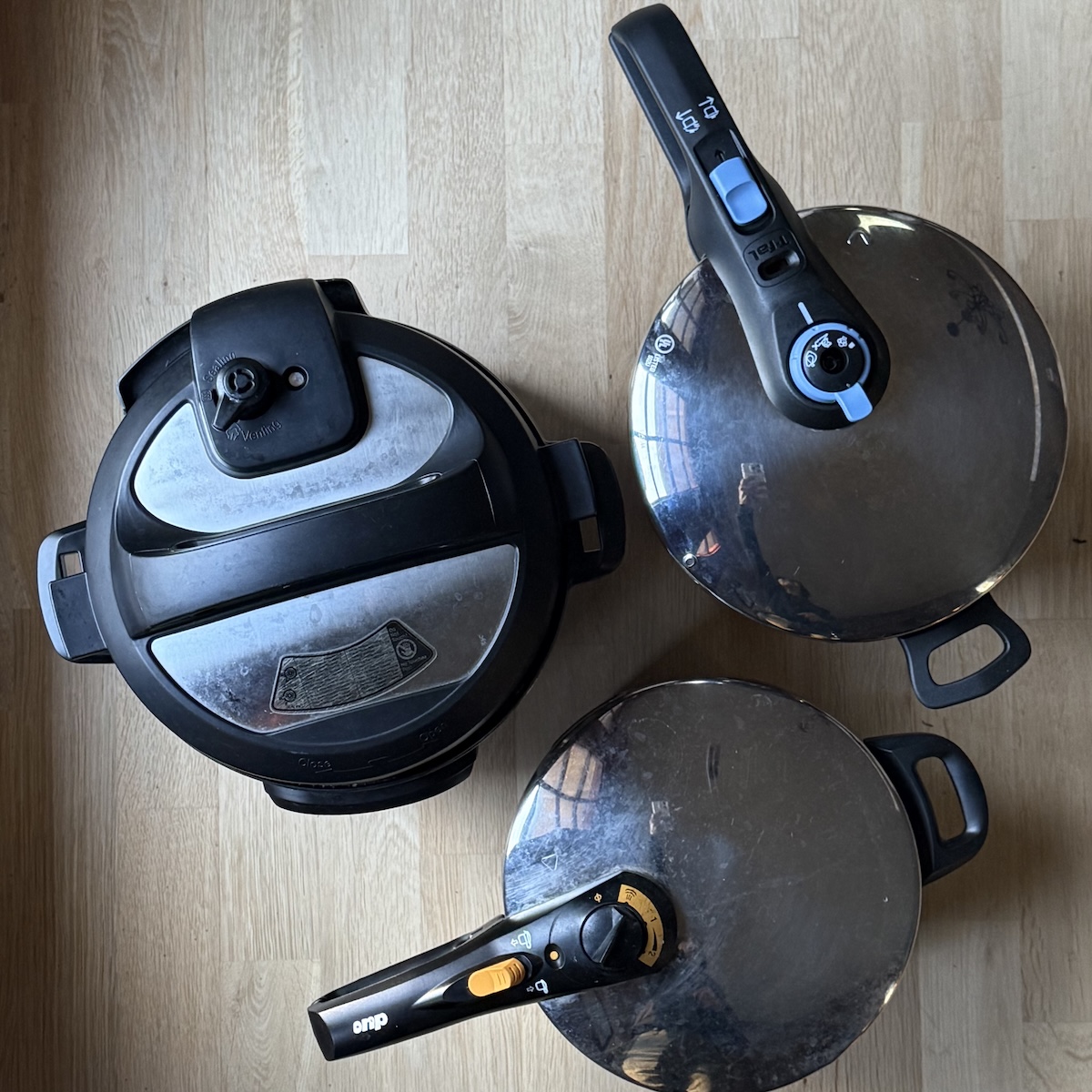
The Evolution from Stovetop to Electric
The pressure cookers our grandparents used were often stovetop models—heavy pots with jiggling regulators on top that could sound like a tiny, angry train. While effective, they required constant monitoring.
Today, electric pressure cookers (like the famous Instant Pot) have revolutionized the game. They are countertop appliances with built-in heating elements and smart sensors. You just set the time and walk away. They manage the pressure and temperature for you, with multiple safety mechanisms built in.
- Stovetop Pressure Cookers: Offer more control over heat, often reach higher pressures (15 PSI), and are fantastic for searing.
- Electric Pressure Cookers: Incredibly user-friendly with preset functions, timers, and automated safety features. They are the perfect entry point for beginners.
Both types can handle frozen meat, but the process and timing might differ slightly. For this guide, we’ll focus mostly on the electric models, as they’re what most people use today.
The Ultimate Guide: How to Safely Cook Frozen Meat in a Pressure Cooker
Alright, let’s get down to the nitty-gritty. While you can just throw a frozen block in, a few key adjustments will ensure you get a perfectly cooked meal instead of a rubbery, unevenly cooked disappointment.
The main principle to remember is this: You’ll need more liquid and more time. The frozen meat needs extra time to thaw before the cooking process truly begins, and that initial thawing process requires steam.
Key Rules for Success
- Don’t Skimp on the Liquid: Your pressure cooker needs liquid to generate steam. For frozen meat, always use at least one cup of liquid (water, broth, etc.). The frozen meat won’t release its own juices initially, so this starting liquid is non-negotiable.
- Use a Trivet: Place the frozen meat on the metal rack (trivet) that came with your cooker. This elevates the meat out of the direct liquid, helping it to cook more evenly with steam rather than just boiling on the bottom.
- Break It Up (If You Can): If you have frozen ground meat or a few chicken breasts frozen together, try to separate them as much as possible. A solid, dense block will take much longer to cook through to the center. If you can’t, don’t worry—it will still work, but you’ll need to add even more time.
- Forget Searing First: One of the cornerstones of flavor development is searing your meat. Unfortunately, you can’t get a good sear on a block of ice. Don’t even try. Instead, cook the meat first, then you can use the sauté function to brown it afterward if desired, or place it under the broiler for a few minutes to get that lovely crust.
Adjusting Your Cooking Time
Here’s the most critical part. How much longer do you need to cook it?
Expert Tip from Chef Isabella Rossi: “A reliable rule of thumb for cooking frozen meat in a pressure cooker is to increase the original recipe’s cook time by at least 50%. For thicker cuts, you might even need to double it. Always, always use a meat thermometer to verify it has reached a safe internal temperature before serving.”
So, if your pot roast recipe calls for 60 minutes with thawed meat, plan for at least 90 minutes with frozen meat. A 20-minute chicken recipe becomes a 30-minute one. It’s better to slightly overcook than to undercook.
Releasing the Pressure
Once the cooking time is up, you have two main options for releasing the pressure:
- Natural Release (NR): You simply let the cooker sit until the pressure dissipates on its own (the float valve drops). This is the best method for large cuts of meat like roasts or whole chickens, as it allows the meat to rest and reabsorb juices, keeping it tender. This can take 10-25 minutes.
- Quick Release (QR): You manually turn the steam release valve to vent the steam immediately. This is fine for smaller items like chicken tenders or ground meat that won’t get tough from the sudden temperature change. Be careful! The steam is extremely hot.
For most frozen meats, especially larger cuts, I highly recommend using a Natural Release for at least 10-15 minutes before performing a quick release of any remaining pressure.
|
Our Picks for the Best Pressure Cooker in 2025
As an Amazon Associate, we earn from qualifying purchases.
|
||
| Num | Product | Action |
|---|---|---|
| 1 | Our Place Dream Cooker | 6-quart Multicooker | 4 Versatile Modes | Pressure Cook, Slow Cook, Sear & Saute, Keep Warm | Hands-Free Steam Release | Tailored Control Panel | Steam |

|
| 2 | CHEF iQ Smart Pressure Cooker with WiFi and Built-in Scale - Easy-to-Use 10-in-1 Multicooker with 500+ Guided Recipes - Rice Cooker, Slow Cooker, Instant Meals for Foodies - 6 Quart - Family Size |
|
| 3 | Instant Pot Duo 7-in-1 Mini Electric Pressure Cooker, Slow Rice Cooker, Steamer, Sauté, Yogurt Maker, Warmer & Sterilizer, Includes Free App with over 1900 Recipes, Stainless Steel, 3 Quart |
|
| 4 | HealSmart 12-in-1 Multi Electric Pressure Cooker, Non-Stick 6QT Stainless Steel Pressure Cooker for Yogurt Maker, Slow Cooker, Cake, Multigrain, Dishwasher Safe |
|
| 5 | Instant Pot Duo 7-in-1 Electric Pressure Cooker, Slow Cooker, Rice, Steamer, Sauté, Yogurt Maker, Warmer & Sterilizer, Includes App With Over 800 Recipes, Stainless Steel, 6 Quart |
|
| 6 | DUMOS 12-in-1 Electric Pressure Cooker 6 QT Stainless Steel Multi Cooker Electric for Pressure, Rice, Steamer, Yogurt Maker, Slow Cook,Meat Stew, Cake, Porridge, Multigrain, Sliver |
|
| 7 | Presto 01362 6-Quart Stainless Steel Pressure Cooker |
|
| 8 | Visit the CUCKOO Store |
|
| 9 | Safety Stainless Steel Pressure Cooker, 7.4 Qt with Release Valve & Multiple Protective Devices, Cooking Pressure Canner for Steam, Canning, Stewing on All Stovetops |
|
| 10 | COSORI Pressure Cooker 6QT, Stainless Steel, 9-in-1 Multi Cooker, 12 Safety Features, Ceramic Inner Pot, Rice, Slow Cook, Sous Vide, Saute, 1100W |
|
Common Mistakes to Avoid
My journey to pressure cooking mastery was paved with a few (sometimes messy) mistakes. Here are some common pitfalls to help you avoid them:
- Overfilling the Pot: Never fill your pressure cooker more than two-thirds full with food and liquid. This space is needed for the steam to build. This is a crucial safety rule.
- Not Using Enough Liquid: I can’t stress this enough. No liquid means no steam, and no steam means no pressure. Your food will burn, and you’ll get a dreaded “Burn” error on your electric cooker.
- Cooking Large, Dense Blocks: While you can cook a solid frozen roast, a 5-pound block of ice is an extreme challenge. The outside will be overcooked by the time the very center is safe to eat. It’s better to work with smaller roasts (under 3 pounds) or individual cuts like chicken thighs or pork chops. For more information, check out [our complete guide to pressure cooker safety].
Why Bother? The Benefits of Pressure Cooking
So, why is this magical appliance a must-have in a modern kitchen?
- Time Savings: It’s the most obvious benefit. A tough cut of beef that would normally take 3-4 hours to become tender can be done in about 90 minutes, even from frozen.
- Energy Efficiency: Because it cooks so much faster, a pressure cooker uses significantly less energy than an oven or a stovetop pot simmering for hours.
- Nutrient Retention: The sealed, high-heat environment cooks food so quickly that more vitamins and minerals are retained compared to boiling or long-simmering methods.
- Flavor Infusion: The high-pressure environment actually forces liquid and flavor into the food, resulting in incredibly moist and flavorful dishes.
FAQs: Your Frozen Meat Questions Answered
Let’s quickly tackle some of the most common questions I get about this topic.
1. How much longer do you cook frozen meat in a pressure cooker?
A good starting point is to increase the cook time stated in the recipe for thawed meat by 50%. For example, a 30-minute recipe would become 45 minutes. Always check the internal temperature with a thermometer to ensure it’s cooked through.
2. Can you put frozen chicken breast in a pressure cooker?
Absolutely! Frozen chicken breasts are one of the easiest things to cook this way. Just make sure they are separated. If they’re frozen in a big clump, add a few extra minutes to the cooking time. Plan on 10-15 minutes at high pressure for average-sized breasts, followed by a 10-minute natural release.
3. Do you have to brown frozen meat after pressure cooking?
You don’t have to, but it will improve the flavor and appearance. After the meat is cooked and removed from the pot, you can use the sauté function to brown the outside or pop it under your oven’s broiler for a few minutes.
4. Is it safe to cook frozen meat in a pressure cooker?
Yes, it is perfectly safe as long as you ensure the meat reaches the proper internal temperature. The high-pressure, superheated environment is very effective at killing bacteria. A reliable instant-read thermometer is your best friend here.
5. What is the best release method for pressure cooking frozen meat?
For most cuts of meat, especially larger ones like roasts or whole chickens, a natural release (or at least a 10-15 minute natural release before a quick release) is best. It keeps the meat tender and juicy.
Your Dinner is Saved
So, the next time you’re staring at a frozen block of meat with a hungry family on the horizon, don’t panic. Your pressure cooker is more than just a gadget for making quick beans or yogurt; it’s your weeknight dinner superhero. Embracing the ability to cook from frozen is a true game-changer. The question of can you put frozen meat in a pressure cooker is not a matter of if, but a matter of how, and now you have the knowledge to do it with confidence. Go ahead, rescue that dinner, and enjoy a delicious, tender meal you thought wasn’t possible.