Ever feel like there just aren’t enough hours in the day to whip up a wholesome, delicious meal? You’re not alone. Between work, family, and everything in between, spending hours over a hot stove can feel like a luxury. But what if I told you there’s a kitchen gadget that can slash your cooking time by up to 70%, lock in more nutrients, and produce fall-off-the-bone tender meats and perfectly cooked grains every single time? Welcome to the world of pressure cooking. If you’re on the hunt for the Best Pressure Cooker 2025, you’ve come to the right place. This guide is your new best friend, designed to demystify this incredible tool and help you choose the perfect partner for your culinary adventures.
How Does a Pressure Cooker Work, Anyway?
A pressure cooker is essentially a sealed pot that traps the steam produced from the liquid inside. This trapped steam increases the atmospheric pressure, which in turn raises the boiling point of water from 100°C (212°F) to about 121°C (250°F). This superheated environment forces liquid and moisture into the food, cooking it much faster.
Think of it like this: trying to cook beans at a high altitude takes forever because water boils at a lower temperature. A pressure cooker does the exact opposite—it creates a high-altitude environment in reverse, making everything cook at lightning speed. It’s simple science, but the results feel like pure magic.
Stovetop vs. Electric: Choosing Your Champion
When you start your search, you’ll find two main contenders in the pressure cooker arena: the traditional stovetop models and the modern electric ones. Let’s break them down.
The Classic Stovetop Pressure Cooker
This is the OG of pressure cooking. I remember my grandmother using one, and the rhythmic hissing sound was the soundtrack to many family dinners. Stovetop models are typically made of stainless steel or aluminum and work on any heat source, including gas, electric, and induction.
- Pros: They reach higher pressure levels (usually 15 PSI) faster, which means slightly quicker cooking times. They are also generally more durable and have fewer electronic parts that can fail.
- Cons: They require more hands-on monitoring. You have to adjust the stove’s heat to maintain the correct pressure and time the cooking yourself. They can be a bit intimidating for beginners due to the loud steam release.
The Modern Electric Pressure Cooker
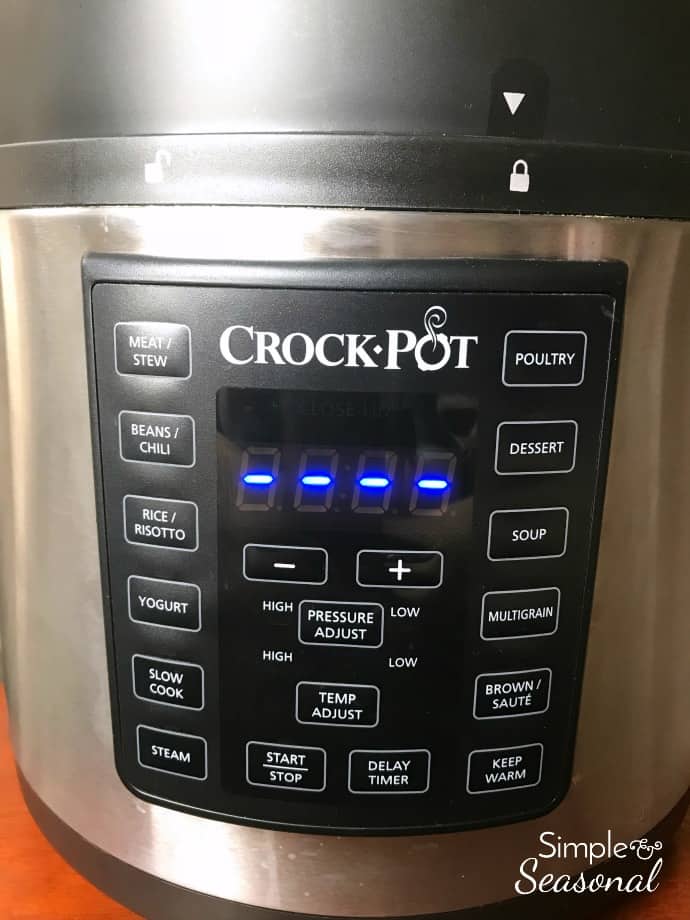
Often called multi-cookers (think Instant Pot), these are the darlings of the modern kitchen. They are self-contained units with a built-in heating element and smart controls.
- Pros: They are incredibly user-friendly. Just set it and forget it! Most have pre-programmed settings for things like rice, soup, or yogurt. They are also whisper-quiet during operation and have multiple safety features built-in.
- Cons: They usually operate at a slightly lower pressure (around 10-12 PSI) than stovetop models, so cooking can take a few minutes longer. They are also bulkier and take up more counter space.
So, which one is for you? If you love being in control and want the fastest results, a stovetop model might be your jam. If you value convenience and a hands-off approach, an electric pressure cooker is a fantastic choice.
How to Use the Best Pressure Cooker 2025 Safely
The number one concern I hear from newcomers is safety. Stories of exploding cookers from decades ago still linger, but modern pressure cookers are incredibly safe, with multiple redundant safety mechanisms. My first time, my heart was pounding, but once I understood the process, it became second nature.
Here’s a simple checklist to follow every single time:
- Inspect Your Gear: Before you start, check the rubber gasket (the sealing ring) for any cracks or stiffness. Make sure the safety valve and steam vent are clean and free of debris.
- Don’t Overfill: This is a golden rule. Never fill your pressure cooker more than two-thirds full for most foods, and only half-full for foods that expand, like beans, rice, and grains. This space is crucial for steam to build up.
- Add Enough Liquid: A pressure cooker needs liquid (water, broth, etc.) to create steam. A minimum of one cup is a good rule of thumb, but always check your specific model’s manual. No liquid, no pressure.
- Lock the Lid Securely: Make sure you hear that satisfying click and that the lid is properly sealed. Modern cookers won’t even start to build pressure if the lid isn’t locked correctly.
- Choose Your Release Method: Once the cooking is done, you need to release the pressure. There are two main ways:
- Natural Release: You simply turn off the heat (or the cooker) and let the pressure drop on its own. This can take 10-30 minutes. It’s perfect for meats that need to rest or for foamy foods that could clog the vent.
- Quick Release: You manually open the steam vent to release the pressure rapidly. It’s loud and steamy but fast. Use this for vegetables or seafood that you don’t want to overcook.
“A pressure cooker doesn’t just save you time; it respects the ingredients. The high-pressure, high-heat environment intensifies flavors in a way that slow cooking can’t replicate in a short time. Mastering it is a game-changer for any home cook.” – Chef Isabella Rossi, Culinary Institute Advisor
|
Our Picks for the Best Pressure Cooker in 2025
As an Amazon Associate, we earn from qualifying purchases.
|
||
| Num | Product | Action |
|---|---|---|
| 1 | DUMOS 12-in-1 Electric Pressure Cooker 6 QT Stainless Steel Multi Cooker Electric for Pressure, Rice, Steamer, Yogurt Maker, Slow Cook,Meat Stew, Cake, Porridge, Multigrain, Sliver |

|
| 2 | Safety Stainless Steel Pressure Cooker, 7.4 Qt with Release Valve & Multiple Protective Devices, Cooking Pressure Canner for Steam, Canning, Stewing on All Stovetops |
|
| 3 | Visit the CUCKOO Store |
|
| 4 | Presto 01362 6-Quart Stainless Steel Pressure Cooker |
|
| 5 | HealSmart 12-in-1 Multi Electric Pressure Cooker, Non-Stick 6QT Stainless Steel Pressure Cooker for Yogurt Maker, Slow Cooker, Cake, Multigrain, Dishwasher Safe |
|
| 6 | CHEF iQ Smart Pressure Cooker with WiFi and Built-in Scale - Easy-to-Use 10-in-1 Multicooker with 500+ Guided Recipes - Rice Cooker, Slow Cooker, Instant Meals for Foodies - 6 Quart - Family Size |
|
| 7 | Instant Pot Duo 7-in-1 Mini Electric Pressure Cooker, Slow Rice Cooker, Steamer, Sauté, Yogurt Maker, Warmer & Sterilizer, Includes Free App with over 1900 Recipes, Stainless Steel, 3 Quart |
|
| 8 | COSORI Pressure Cooker 6QT, Stainless Steel, 9-in-1 Multi Cooker, 12 Safety Features, Ceramic Inner Pot, Rice, Slow Cook, Sous Vide, Saute, 1100W |
|
| 9 | Our Place Dream Cooker | 6-quart Multicooker | 4 Versatile Modes | Pressure Cook, Slow Cook, Sear & Saute, Keep Warm | Hands-Free Steam Release | Tailored Control Panel | Steam |
|
| 10 | Instant Pot Duo 7-in-1 Electric Pressure Cooker, Slow Cooker, Rice, Steamer, Sauté, Yogurt Maker, Warmer & Sterilizer, Includes App With Over 800 Recipes, Stainless Steel, 6 Quart |
|
Common Mistakes to Avoid (I’ve Made Them All!)
- Forgetting the Sealing Ring: You’ve added all your ingredients, locked the lid, and… nothing happens. Nine times out of ten, it’s because the gasket isn’t seated properly or you forgot to put it back in after washing.
- Not Deglazing the Pot: If you’re searing meat in the pot first (a great way to build flavor!), make sure to scrape up all the browned bits from the bottom with a little liquid before pressure cooking. Otherwise, you might get a “Burn” error on an electric model.
- Using the Wrong Release Method: Using a quick release for a pot full of split pea soup is a recipe for a Jackson Pollock painting on your ceiling. Trust me on this. Always use natural release for foamy or starchy foods.
- Ignoring the Fill Lines: Overfilling is the most common cause of safety issues. It can cause food to block the vents, leading to clogs and messy situations. Respect the lines!
Why a Pressure Cooker is Your Kitchen’s Secret Weapon
Still on the fence? Let’s talk about the incredible benefits that make finding the best pressure cooker 2025 so worthwhile.
Time and Energy Savings
This is the headliner. A beef stew that would take 3 hours in the oven is done in about 45 minutes. Dried beans? No pre-soaking required; they’re ready in under an hour. This efficiency doesn’t just save you time—it also uses significantly less energy than running an oven or a stovetop for hours.
Enhanced Flavor and Nutrition
Because the pot is sealed, flavors don’t evaporate away; they get concentrated and infused directly into the food. Furthermore, studies have shown that the shorter cooking times help retain more heat-sensitive vitamins and minerals compared to other methods like boiling.
Versatility
Modern electric pressure cookers are the Swiss Army knives of the kitchen. They can sauté, steam, slow cook, make yogurt, cook rice, and so much more. It’s like having seven appliances in one, which is a huge space-saver.
Sample Cooking Times: Pressure Cooker vs. Traditional
| Food Item | Traditional Cooking Time | Pressure Cooker Time |
|---|---|---|
| Whole Chicken | 1.5 hours (roasted) | 25 minutes |
| Brown Rice | 50 minutes (stovetop) | 22 minutes |
| Dried Chickpeas | 8 hours (soak) + 2 hours (boil) | 40-50 minutes (no soak) |
| Pork Shoulder | 4-6 hours (braising) | 60-75 minutes |
| Artichokes | 30-45 minutes (steamed) | 10 minutes |
Keeping Your Pressure Cooker in Tip-Top Shape
Your pressure cooker will be a loyal workhorse if you treat it right.
- Clean After Every Use: Wash the inner pot, the lid, and the sealing ring with warm, soapy water.
- Deep Clean the Gasket: The silicone ring can absorb odors. Soaking it in a vinegar solution or running it through the dishwasher can help. It’s a good idea to have two—one for savory dishes and one for sweet ones.
- Check the Vents: Use a small brush or a paperclip to ensure the steam release valve and safety pin are completely clear.
- Replace the Gasket: The sealing ring is not meant to last forever. Most manufacturers recommend replacing it every 12-18 months or as soon as you notice it’s become stiff or cracked. This is a small investment that ensures peak performance and safety.
Frequently Asked Questions About the Best Pressure Cooker 2025
1. Is pressure cooking really safe in 2025?
Absolutely. The best pressure cooker 2025 models come with multiple safety features, including lid-locking systems that prevent opening under pressure, redundant pressure release valves, and automatic shut-offs. As long as you follow the instructions, they are one of the safest appliances in your kitchen.
2. Can I cook frozen food in a pressure cooker?
Yes, you can! This is one of its most amazing features. You can cook frozen chicken breasts, ground meat, and even roasts directly from the freezer. You’ll just need to increase the cooking time, typically by about 50%.
3. What’s the difference between PSI and all the settings?
PSI stands for “Pounds per Square Inch” and it’s the measure of pressure. Stovetop models usually cook at a high 15 PSI. Electric models often have “High” (10-12 PSI) and “Low” (6-8 PSI) settings. The pre-programmed buttons on an electric cooker simply combine a pre-set pressure level and time for convenience.
4. What can’t I cook in a pressure cooker?
You should avoid crispy or breaded foods (they’ll get soggy), delicate greens that cook in seconds, and dairy-heavy sauces (add them after pressure cooking). Also, be cautious with oil; you should never deep-fry in a pressure cooker.
5. How do I convert a regular recipe to a pressure cooker recipe?
A good rule of thumb is to reduce the cooking time by about two-thirds. You’ll also need to reduce the amount of liquid, as very little evaporates in the sealed environment. A quick search online for a “pressure cooker conversion chart” will give you more specific guidance.
Your Kitchen Journey Starts Now
Choosing the best pressure cooker 2025 is about more than just buying another appliance; it’s about reclaiming your time and unlocking a new level of flavor and convenience in your cooking. Whether you opt for a classic stovetop model or a feature-packed electric multi-cooker, you’re investing in better meals, less stress, and more time for the things that matter. So go ahead, embrace the pressure. Your dinner table will thank you for it.