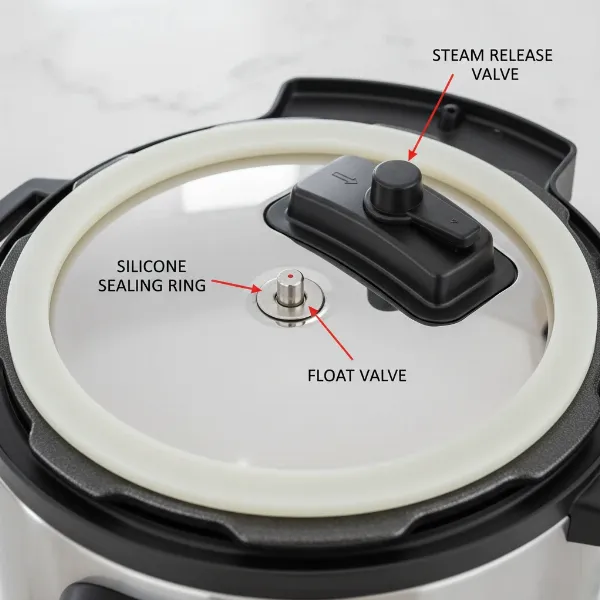
Choosing the right pressure cooker is a significant decision for any home chef, blending efficiency with safety in the kitchen. As an experienced technician with over a decade in the field, I’ve seen everything from the simplest stovetop models to advanced electric units. The debate often boils down to materials: aluminum versus stainless steel. Both offer distinct advantages, but when it comes to long-term safety and durability, which one truly stands out? This article will delve into the characteristics of each, highlighting their safety profiles, maintenance needs, and overall value, to help you make an informed choice for your culinary adventures.
Understanding Pressure Cookers: A Brief Overview
A pressure cooker is an indispensable kitchen appliance designed to cook food faster and more efficiently than traditional methods. By trapping steam inside a sealed pot, it creates a high-pressure, high-temperature environment that significantly reduces cooking times while retaining more nutrients and flavors in your meals. This ingenious mechanism has transformed cooking, making it possible to prepare tough cuts of meat, legumes, and grains in a fraction of the time.
Evolution from Classic to Electric Models
|
Our Picks for the Best Pressure cooker in 2026
As an Amazon Associate I earn from qualifying purchases.
|
||
| Num | Product | Action |
|---|---|---|
| 1 | Stove Top 304 Stainless Steel Pressure Cooker, One-hand Easy Handle Lid, 3 PSI Setting, 6 Safety Systems, Dishwasher Safe, Olla de Presion, Works for All Cooktops (8.5 QT) |

|
| 2 | Instant Pot Duo 7-in-1 Mini Electric Pressure Cooker, Slow Rice Cooker, Steamer, Sauté, Yogurt Maker, Warmer & Sterilizer, Includes Free App with over 1900 Recipes, Stainless Steel, 3 Quart |
|
| 3 | COMFEE' 9-in-1 Electric Pressure Cooker, 14 Presets Instant Multi Cooker Olla de Presion Non-Stick Pot Yogurt Maker Rice Cooker Slow Cooker Sauté Steamer 6 Quarts Black |
|
| 4 | Instant Pot Duo 7-in-1 Electric Pressure Cooker, Slow Cooker, Rice, Steamer, Sauté, Yogurt Maker, Warmer & Sterilizer, Includes App With Over 800 Recipes, Stainless Steel, 6 Quart |
|
| 5 | Our Place Dream Cooker - 6 Qt Ceramic Nonstick Multicooker & Pressure Cooker with Touchscreen Controls & Auto Steam Release - 4 Modes: Pressure Cook, Sauté/Sear, Slow Cook & Warm - Steam |
|
| 6 | Instant Pot Duo 7-in-1 Electric Pressure Cooker, Slow Cooker, Rice Cooker, Steamer, Sauté, Yogurt Maker, Warmer & Sterilizer, Includes App with Over 800 Recipes, Stainless Steel, 8 Quart |
|
| 7 | Our Place Dream Cooker - 6 Qt Ceramic Nonstick Multicooker & Pressure Cooker with Touchscreen Controls & Auto Steam Release - 4 Modes: Pressure Cook, Sauté/Sear, Slow Cook & Warm - Spice |
|
| 8 | CHEF iQ Smart Pressure Cooker with WiFi and Built-in Scale - Easy-to-Use 10-in-1 Multicooker with 500+ Guided Recipes - Rice Cooker, Slow Cooker, Instant Meals for Foodies - 6 Quart - Family Size |
|
| 9 | Our Place Dream Cooker - 6 Qt Ceramic Nonstick Multicooker & Pressure Cooker with Touchscreen Controls & Auto Steam Release - 4 Modes: Pressure Cook, Sauté/Sear, Slow Cook & Warm - Blue Salt |
|
| 10 | COSORI Pressure Cooker 6QT, Stainless Steel, 9-in-1 Multi Cooker, 12 Safety Features, Ceramic Inner Pot, Rice, Slow Cook, Sous Vide, Saute, 1100W |
|
The concept of pressure cooking dates back to the 17th century with Denis Papin’s “Digester,” a steam-tight vessel that could soften bones. Early models were simple stovetop units, often made from heavy cast iron or aluminum, relying on a weighted gauge to regulate pressure. These required constant monitoring.
Key Milestones in Pressure Cooker Technology
Significant advancements came with the introduction of spring-valve pressure cookers in the 20th century, offering more precise pressure control and improved safety features. The late 20th and early 21st centuries saw the rise of electric pressure cookers, integrating microprocessors for automated cooking, multiple safety mechanisms like automatic pressure control and anti-blocking features, and programmable settings that transformed them into multi-cookers capable of various functions beyond just pressure cooking. These innovations have consistently aimed to enhance both convenience and safety for the user.
Exploring Aluminum Pressure Cookers: Pros, Cons, and Safety
Aluminum pressure cookers have long been a staple in many kitchens, primarily due to their affordability and excellent heat conductivity. They offer a quick and efficient way to cook, but it’s crucial to understand their material properties, especially concerning safety and longevity.
Advantages of Aluminum Pressure Cookers
One of the primary benefits of aluminum is its superior thermal conductivity. Aluminum heats up very quickly and distributes heat evenly across the pot, leading to faster cooking times and potentially lower energy consumption. They are also significantly lighter than their stainless steel counterparts, making them easier to handle and maneuver in the kitchen. Furthermore, aluminum pressure cookers are generally more budget-friendly, making them an accessible option for many households.
Potential Safety Concerns with Aluminum
While generally considered safe for normal use, aluminum pressure cookers come with specific precautions. Aluminum is a reactive metal, meaning it can interact with certain types of food. Acidic ingredients like tomatoes, vinegar, or citrus, and alkaline foods can react with the aluminum, potentially causing a metallic taste in your food, discoloration, and even pitting or the formation of small holes in the cookware over time. This reactivity can also lead to the release of aluminum elements, which may affect health, particularly if the surface’s protective oxide film is damaged or of poor quality. Aluminum is also less durable than stainless steel, tending to age faster, which can reduce its safety performance over extended periods of use.
Essential Safety and Maintenance Tips for Aluminum
To maximize the safety and lifespan of an aluminum pressure cooker, several precautions are essential. Firstly, avoid cooking highly acidic or alkaline foods in it; for such dishes, opt for non-reactive cookware. Secondly, always use wooden or silicone utensils to prevent scratching or damaging the cooker’s surface, which could lead to greater reactivity. Regular and thorough cleaning after each use is vital, including seals, vent tubes, and safety valves, using mild dish soap and a soft cloth. Avoid abrasive cleaners or steel wool. Store the cooker in a clean, dry place, and avoid stacking heavy objects on it to prevent deformation. Regularly checking the condition of seals and safety valves for cracks or damage ensures the appliance maintains proper pressure and remains safe.
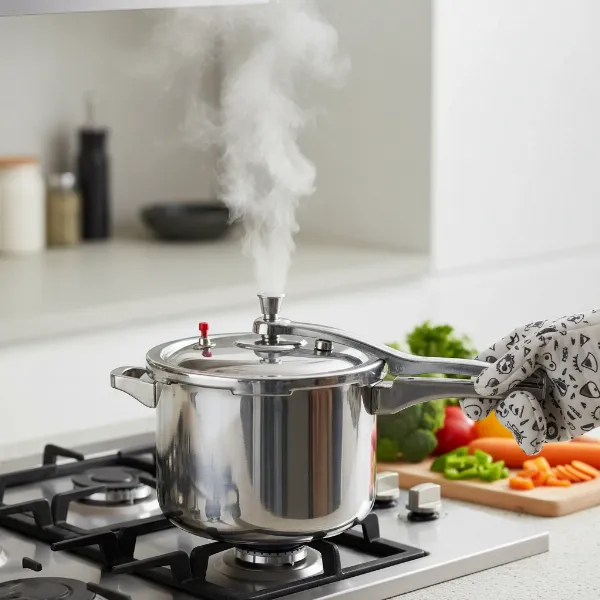 aluminum pressure cooker with safety features in use for healthy cooking
Delving into Stainless Steel Pressure Cookers: Benefits and Safety Assurance
Stainless steel pressure cookers are often favored for their robust construction, non-reactive surface, and advanced safety features. They represent a more premium choice, promising greater longevity and consistent performance.
Why Stainless Steel is a Preferred Choice
Stainless steel, particularly 304 grade, boasts high chemical stability, heat resistance, and excellent corrosion resistance. This makes it non-reactive with acidic or alkaline foods, ensuring that your meals retain their original taste and nutritional value without any metallic contamination. Its hard texture means it’s not easily deformed and offers a significantly longer service life compared to aluminum. Furthermore, stainless steel maintains its sleek, aesthetic shine even after years of use, making it an attractive addition to any kitchen.
Built-in Safety Features and Design
Safety is a paramount consideration in the design of stainless steel pressure cookers. Many models are equipped with multiple protective features, such as anti-blocking covers, safety valves, pressure limiting valves, alarm valves, and pressure relief windows. These mechanisms work in concert to prevent over-pressurization and ensure a safe cooking environment. Advanced designs often include an explosion-proof cover and an indicator valve to monitor internal pressure in real-time, sometimes even sounding an alarm if pressure limits are approached. High-grade stainless steel pressure cookers are engineered with safety as a top priority, featuring precision weight valves, metallic safety plugs, pressure indicators, anti-bulge bases for even heating, and cool-touch safety handles for secure handling.
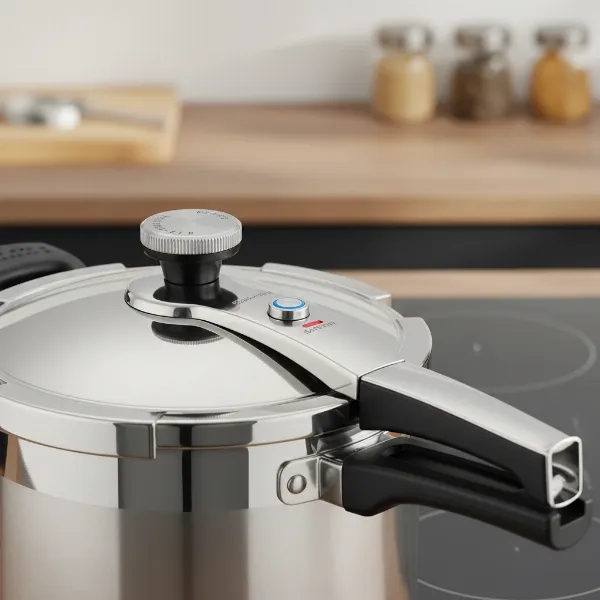 stainless steel pressure cooker showing multiple safety features and durable design
Maintenance and Longevity of Stainless Steel
Stainless steel is notably easy to maintain, contributing to its longevity. Its smooth, non-porous surface resists staining and odors, making cleanup straightforward. While some stubborn stains may require a suitable detergent, abrasive cleaners can generally be avoided. For optimal performance and safety, regular maintenance is still important: checking and replacing gaskets every six months is recommended, and ensuring the vent valve is clear of any food debris. Allowing the cooker to cool down naturally before cleaning also prevents potential damage and ensures user safety. With basic care, a stainless steel pressure cooker can remain a reliable kitchen companion for many years.
Aluminum vs. Stainless Steel: A Head-to-Head Safety Comparison
When directly comparing the safety of aluminum and stainless steel pressure cookers, several factors come into play, from their interaction with food to their long-term durability.
Health Implications: Reactivity and Leaching
The most significant difference lies in their reactivity with food. Aluminum is known to react with acidic and alkaline ingredients, which can lead to the leaching of aluminum into food, potentially affecting taste and quality. While some sources suggest that the amount of aluminum leached is generally low and not harmful for most individuals, concerns persist, especially if the cooker’s protective oxide layer is compromised. Stainless steel, on the other hand, is chemically stable and non-reactive with all food types, ensuring that no metallic elements are introduced into your meals. This non-reactivity provides peace of mind regarding food purity and health.
Durability and Long-Term Reliability
Stainless steel generally outperforms aluminum in terms of durability. Stainless steel is more resistant to corrosion, scratches, and deformation, which means it maintains its structural integrity and safety features over a longer period. Aluminum, while sturdy, can be prone to pitting and wear over time, especially with frequent use or improper care, which could compromise its safety and effectiveness. The aging of aluminum can reduce its overall safety.
Maintenance Requirements and Ease of Use
Both materials require regular maintenance of components like gaskets and safety valves. However, stainless steel’s non-reactive and smooth surface often makes it easier to clean thoroughly and prevents food particles from adhering, which in turn reduces the risk of clogged valves. Aluminum cookers require more careful handling (e.g., non-metal utensils) and strict avoidance of reactive foods to prevent damage and maintain their integrity.
Cost vs. Value Proposition
Aluminum pressure cookers are typically cheaper upfront. However, considering stainless steel’s superior durability, non-reactivity, and long-term safety assurance, the higher initial investment often translates into better long-term value. A high-quality stainless steel pressure cooker can last for decades with proper care, whereas an aluminum unit might need replacement sooner due to wear or damage.
General Pressure Cooker Safety: Universal Guidelines for All Materials
Regardless of whether your pressure cooker is made of aluminum or stainless steel, adhering to universal safety guidelines is paramount to prevent accidents and ensure optimal performance.
Key Steps Before Cooking
Always begin by thoroughly reading and understanding your manufacturer’s instructions, as specific models may have unique guidelines. Check that the gasket is in good condition and properly seated; a damaged gasket can compromise the seal. Never overfill the pressure cooker; most models should not be filled more than two-thirds of their capacity to allow steam to build safely. Finally, ensure the lid is securely locked before placing the cooker on the heat source.
Safe Operation Practices
Use your pressure cooker in a well-ventilated area to prevent steam buildup. Always supervise the cooker during operation and be alert to any unusual functioning. Avoid cooking certain foamy or expanding foods, such as carbonated beverages or yeast-based doughs, as they can block the vent tube and create a safety hazard. Regularly check that the vent valve is clean and free from any obstructions before each use.
Post-Cooking Safety and Care
After cooking, never attempt to force open the lid until all internal pressure has been safely released. Follow the manufacturer’s instructions for pressure release, whether it’s natural release, cold water release, or quick release. Allow the cooker to cool down naturally before cleaning to avoid burns and prevent potential damage from sudden temperature changes. Thoroughly clean all components, including the pot, lid, gasket, and valves, and ensure they are dry before storage. Inspect safety handles regularly to ensure they are firm and secure.
Identifying and Addressing Common Issues
Common issues include pressure not building (often due to a damaged gasket or improper lid sealing), food burning (overfilling or insufficient liquid), or unusual noises. If the pressure release valve ever gets stuck or the cooker makes strange noises, turn off the heat immediately and allow it to cool down completely before inspecting. If problems persist, consult the user manual or seek professional servicing.
Choosing the Right Pressure Cooker: A Buying Guide
Selecting the ideal pressure cooker involves balancing your cooking habits, budget, and safety priorities.
Assessing Your Culinary Needs
Consider how often you’ll use the cooker and for what purposes. A smaller 2-3 liter model might suffice for individuals or small families, while a 5-liter or larger unit is better for bigger households or batch cooking. Think about the types of dishes you prepare most frequently – if you often cook acidic recipes, a stainless steel model is a safer bet.
Material Considerations for Your Lifestyle
If budget is a primary concern and you are mindful about avoiding reactive foods and diligent with maintenance, an aluminum pressure cooker can be a good, cost-effective option. However, for maximum peace of mind, greater durability, and the flexibility to cook any type of food without reactivity concerns, a high-quality stainless steel pressure cooker is generally the safer and more versatile choice. Many modern stainless steel cookers also feature multi-ply bases, often including an aluminum layer, to combine the best of both worlds: even heating with a non-reactive cooking surface.
Essential Safety Features to Look For
Prioritize models with multiple redundant safety features, such as pressure limiting valves, safety valves, anti-blocking covers, and pressure indicators. Look for reputable brands with good warranties and readily available replacement parts like gaskets and valves. Ergonomic, cool-touch handles are also a practical safety feature.
Budget and Warranty
While aluminum offers a lower entry price, consider the long-term value. A stainless steel pressure cooker, though more expensive initially, can save money in the long run due to its durability and reduced need for replacement. Always check the warranty offered by the manufacturer, as it reflects their confidence in the product’s quality and longevity.
Popular Dishes and Common Pitfalls with Pressure Cookers
Pressure cookers excel at preparing a wide variety of meals quickly and efficiently.
Delicious Meals You Can Make
Pressure cookers are perfect for:
- Hearty Stews and Braises: Tenderize tough cuts of meat in a fraction of the time.
- Nutritious Soups: Develop deep flavors in homemade broths and chunky soups.
- Creamy Porridges and Grains: Cook rice, quinoa, and oatmeal to perfection without constant stirring.
- Flavorful Curries and Kho (braised dishes): Infuse ingredients with rich spices and sauces under pressure.
Troubleshooting Common Pressure Cooker Problems
Even with the best models, issues can arise. Common problems include:
- Pressure Not Building: Often due to a worn-out gasket, improper lid sealing, or insufficient liquid. Check and replace the gasket if necessary.
- Steam Leaking: Usually from the lid, safety valve, or vent pipe. Inspect these areas for food particles or damage and clean/replace as needed.
- Food Burning at the Bottom: Typically caused by not adding enough liquid or cooking for too long. Always ensure adequate liquid for the cooking duration.
- Stuck Pressure Release Valve: Do not force it. Turn off the heat and allow the cooker to cool naturally. Clean the valve thoroughly before next use.
Conclusion
The choice between aluminum and stainless steel pressure cookers ultimately hinges on a balance of cost, desired features, and personal safety priorities. While aluminum cookers offer a lightweight, affordable option with excellent heat conduction, their reactivity with certain foods and lesser durability warrant careful handling and maintenance. Stainless steel pressure cookers, though a greater initial investment, provide superior chemical stability, non-reactivity, and robust safety features, making them a highly durable and versatile choice for health-conscious cooks. Both materials can be safe with proper use, but stainless steel inherently offers a more reassuring and long-lasting performance due to its non-reactive nature and robust construction. Prioritizing quality and adhering to manufacturer guidelines, irrespective of material, will ensure a safe and enjoyable pressure cooking experience. Which material aligns best with your kitchen values and cooking style?
Frequently Asked Questions
Is it really harmful to cook in aluminum?
For most healthy individuals, cooking in modern, good-quality aluminum cookware is generally considered safe. However, aluminum is a reactive metal and can leach into food, particularly with acidic or alkaline ingredients or if the pot’s protective oxide layer is damaged. Stainless steel offers a non-reactive alternative, eliminating this concern entirely.
Why do some pressure cookers have an aluminum layer but are called stainless steel?
Many high-quality stainless steel pressure cookers feature a “clad” or “tri-ply” bottom. This design often includes an aluminum layer sandwiched between two layers of stainless steel. This construction combines the benefits of stainless steel (non-reactivity, durability) with aluminum’s excellent heat conduction, ensuring fast and even heating while maintaining a safe cooking surface.
How often should I replace pressure cooker parts like gaskets and valves?
It is generally recommended to replace the rubber gasket of your pressure cooker every 6 months, or sooner if you notice any signs of wear, cracking, or damage. Safety valves and vent pipes should be inspected regularly and cleaned after each use to ensure they are free of obstructions and functioning correctly. Replace them if they appear clogged or damaged.
Can I use my pressure cooker for canning?
While some older or specialized pressure canners exist, a standard pressure cooker designed for daily meal preparation is typically not suitable or safe for canning purposes. Canning requires specific pressure levels and durations to ensure food safety against bacteria. Always refer to your pressure cooker’s manual, but generally, it is advisable to use dedicated pressure canners for home canning.
What foods should I never cook in an aluminum pressure cooker?
To prevent reactivity, discoloration, and potential aluminum leaching, avoid cooking highly acidic foods such as tomatoes, citrus fruits, vinegar-based sauces, or dishes with wine in an aluminum pressure cooker. Similarly, highly alkaline foods should also be avoided. It is best to reserve aluminum cookers for less reactive ingredients.