Welcome to the wonderful, time-saving world of pressure cooking! If you’re new to this kitchen workhorse, you’ve probably heard the terms “quick release” and “natural release” thrown around. The first time I used a pressure cooker, the sudden, powerful hiss of steam during a What Is A Quick Pressure Release was both thrilling and a little intimidating. It sounded like a mini steam engine in my kitchen! But trust me, once you understand what’s happening, you’ll see it’s one of the most useful tools in your culinary arsenal. It’s the secret to perfectly cooked vegetables and dishes that don’t turn to mush.
This guide will demystify the quick pressure release, turning you from a nervous novice into a confident pressure-cooking pro. We’ll cover what it is, how to do it safely, and exactly when to use it to achieve delicious results every single time.
What Exactly Is a Quick Pressure Release?
A quick pressure release, often abbreviated as QPR, is a method of rapidly depressurizing your electric or stovetop pressure cooker after the cooking cycle is complete. It involves manually opening the steam release valve or vent on the lid, which allows all the built-up steam and pressure to escape in a swift, controlled, and often loud, jet.
Think of it like carefully letting the air out of a tire. You’re in control, and you’re releasing the internal pressure so you can safely open the lid. This process usually takes just one to two minutes, immediately stopping the cooking process inside the pot. This is the key difference and the main reason you’d choose this method.
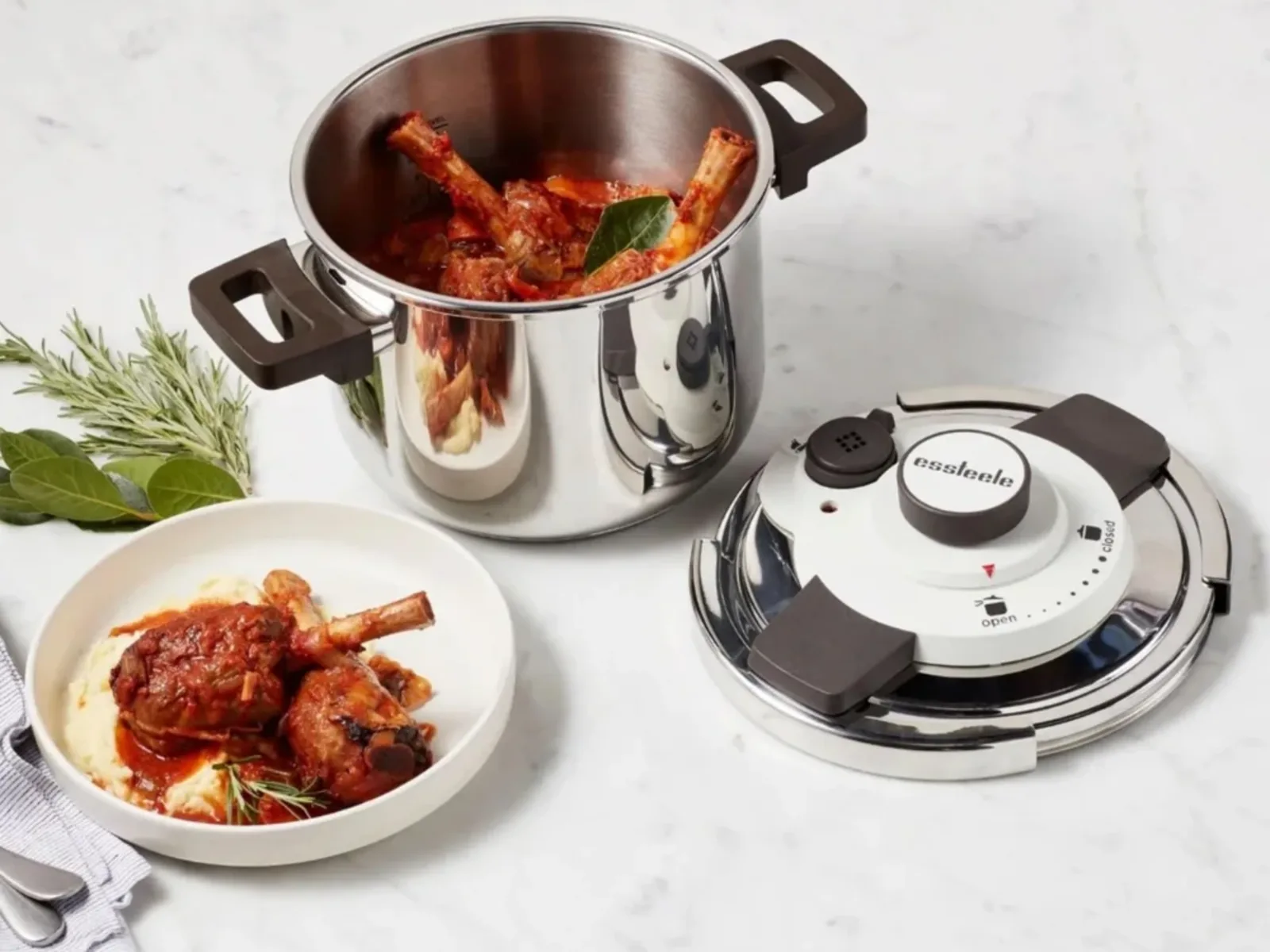
Quick Release vs. Natural Release: The Showdown
Understanding the difference between a quick pressure release and a natural pressure release (NPR) is fundamental to mastering your appliance. They are two different tools for two different jobs. Using the wrong one can be the difference between perfectly steamed broccoli and a pile of green mush.
| Feature | Quick Pressure Release (QPR) | Natural Pressure Release (NPR) |
|---|---|---|
| Method | Manually open the steam release valve. | Let the cooker cool down on its own. |
| Time | 1-2 minutes. | 10-30+ minutes, depending on the volume. |
| Process | Active; you are initiating the release. | Passive; the machine does all the work. |
| Effect on Food | Immediately stops the cooking process. | Food continues to cook in the residual heat. |
| Best For | Delicate foods that can overcook easily: vegetables, seafood, pasta, eggs. | Foods that benefit from rest time: large cuts of meat, roasts, broths, beans, and grains. |
As you can see, the choice isn’t about which one is “better” but which one is right for the recipe.
How to Do a Quick Pressure Release (Safely!)
This is the part that can seem daunting, but it’s incredibly simple once you’ve done it once. The most important thing is to be mindful and safe. Never put your hand or face directly over the steam release valve. That steam is incredibly hot!
Here’s a step-by-step guide for a typical electric pressure cooker like an Instant Pot:
- Wait for the Beep: Once your pressure cooker finishes its cooking cycle, it will typically beep to let you know it’s done.
- Cancel Keep Warm: Press the “Cancel” or “Keep Warm/Cancel” button. If you leave it on “Keep Warm,” the cooker will continue to generate a small amount of heat, which can slow down the depressurization.
- Protect Your Hand: Use a long-handled wooden spoon, a silicone oven mitt, or the handle of a spatula. Do not use your bare fingers.
- Turn the Valve: Carefully turn the steam release valve from the “Sealing” position to the “Venting” position. It’s often a quick flick of the wrist.
- Stand Back: A powerful jet of hot steam will shoot straight up. Make sure your cooker is positioned away from overhead cabinets, which can be damaged by the moisture and heat. Keep pets and children away from the area.
- Wait for the Float Valve: The steam will hiss for a minute or two. You’ll know the process is complete when the hissing stops and the float valve (a small metal pin) drops down. This is the ultimate safety indicator that the pressure is gone.
- Open the Lid: Only once the float valve has dropped is it safe to open the lid. Turn it and lift it away from you to avoid any remaining steam in your face.
Expert Tip: Chef Isabella Rossi, a culinary appliance expert, advises, “I always tell my students to place a kitchen towel lightly over the valve before performing a what is a quick pressure release. It doesn’t stop the steam, but it helps contain any splattering from starchy liquids, keeping your countertops cleaner.”
When Should You Use a Quick Pressure Release?
The primary reason to use a what is a quick pressure release is to prevent overcooking. It puts the brakes on the cooking process instantly.
Use a Quick Release for:
- Quick-Cooking Vegetables: Think broccoli, asparagus, cauliflower, and green beans. A natural release would turn them into a sad, olive-green mush.
- Delicate Seafood: Shrimp, scallops, and fish fillets cook in minutes. A quick release ensures they remain tender and not rubbery.
- Pasta and Noodles: For one-pot pasta dishes, a QPR is essential to maintain that perfect al dente texture.
- Blanching or Par-cooking: If you’re just using the pressure cooker to partially cook something before finishing it on the grill or in the oven.
- Anything You Want to Stop Cooking NOW: If you’re in a hurry or your recipe calls for adding more ingredients for a final, shorter cook time.
And When Should You AVOID It? The “No-Go” Zone
A quick pressure release isn’t always the answer. Forcing the pressure out rapidly can cause issues with certain types of food.
Avoid a Quick Release for:
- Foamy or High-Starch Foods: This includes beans, lentils, grains (like oatmeal or quinoa), and soups. A rapid release can cause the foamy liquid to spew out of the steam valve, creating a huge mess and a potential safety hazard.
- Large Cuts of Meat: Roasts, pulled pork, and whole chickens benefit from the gentle, continued cooking and resting time that a natural release provides. A quick release can cause the meat fibers to seize up, resulting in tougher, less juicy meat.
- Soups and Broths: Releasing pressure quickly can cause the boiling liquid to agitate violently inside the pot, potentially spraying hot liquid out of the valve.
- Recipes with a High Liquid Fill: If your pot is filled to the maximum line, a natural release is always safer to prevent liquid from sputtering out of the vent.
|
Our Picks for the Best Pressure Cooker in 2026
As an Amazon Associate, we earn from qualifying purchases.
|
||
| Num | Product | Action |
|---|---|---|
| 1 | Our Place Dream Cooker | 6-quart Multicooker | 4 Versatile Modes | Pressure Cook, Slow Cook, Sear & Saute, Keep Warm | Hands-Free Steam Release | Tailored Control Panel | Steam |

|
| 2 | CHEF iQ Smart Pressure Cooker with WiFi and Built-in Scale - Easy-to-Use 10-in-1 Multicooker with 500+ Guided Recipes - Rice Cooker, Slow Cooker, Instant Meals for Foodies - 6 Quart - Family Size |
|
| 3 | Safety Stainless Steel Pressure Cooker, 7.4 Qt with Release Valve & Multiple Protective Devices, Cooking Pressure Canner for Steam, Canning, Stewing on All Stovetops |
|
| 4 | Instant Pot Duo 7-in-1 Mini Electric Pressure Cooker, Slow Rice Cooker, Steamer, Sauté, Yogurt Maker, Warmer & Sterilizer, Includes Free App with over 1900 Recipes, Stainless Steel, 3 Quart |
|
| 5 | DUMOS 12-in-1 Electric Pressure Cooker 6 QT Stainless Steel Multi Cooker Electric for Pressure, Rice, Steamer, Yogurt Maker, Slow Cook,Meat Stew, Cake, Porridge, Multigrain, Sliver |
|
| 6 | Presto 01362 6-Quart Stainless Steel Pressure Cooker |
|
| 7 | Instant Pot Duo 7-in-1 Electric Pressure Cooker, Slow Cooker, Rice, Steamer, Sauté, Yogurt Maker, Warmer & Sterilizer, Includes App With Over 800 Recipes, Stainless Steel, 6 Quart |
|
| 8 | COSORI Pressure Cooker 6QT, Stainless Steel, 9-in-1 Multi Cooker, 12 Safety Features, Ceramic Inner Pot, Rice, Slow Cook, Sous Vide, Saute, 1100W |
|
| 9 | HealSmart 12-in-1 Multi Electric Pressure Cooker, Non-Stick 6QT Stainless Steel Pressure Cooker for Yogurt Maker, Slow Cooker, Cake, Multigrain, Dishwasher Safe |
|
| 10 | Visit the CUCKOO Store |
|
Common Mistakes to Avoid
My journey to pressure cooking confidence had a few bumpy moments. Here are some common slip-ups to help you avoid them:
- Forgetting to Protect Your Hands: That steam is hot enough to cause a serious burn. Always use a tool.
- Positioning Under Cabinets: I once warped the finish on one of my oak cabinets this way. Learn from my mistake! Pull the cooker out into an open space before releasing the pressure.
- Trying to Open the Lid Too Soon: The float valve is a non-negotiable safety feature. If it hasn’t dropped, there is still pressure inside. Never force the lid open.
- Using a Quick Release for Foamy Foods: The “split pea soup ceiling” incident of 2018 is a story for another day. Trust me, just let it release naturally.
Frequently Asked Questions (FAQ)
Here are some common questions people have about the quick pressure release method.
Is a quick pressure release dangerous?
When done correctly, a quick pressure release is perfectly safe. It is a standard feature designed by the manufacturer. The danger comes from not following safety precautions, like putting your hand over the steam vent or trying to force the lid open before the pressure has fully dropped.
How long does a quick release take?
It typically takes 1 to 2 minutes, depending on how full the pressure cooker is. A fuller pot contains more hot liquid and steam, so it will take a bit longer to fully depressurize.
Can I do a quick pressure release on a stovetop pressure cooker?
Yes, but the method is slightly different. Most stovetop models require you to take the pot off the heat and either run cool water over the lid (avoiding the vent) or press a button on the handle to release the steam. Always consult your specific model’s instruction manual.
What happens if I use a quick release for meat?
While not dangerous, it’s not ideal. The sudden drop in pressure can make the meat fibers contract and toughen. For the most tender and juicy results with roasts or stews, a natural pressure release is almost always better.
Why is liquid sputtering out of my steam valve?
This usually happens for two reasons: the pot is too full (over the max fill line), or you’re doing a what is a quick pressure release on a foamy food like beans or soup. In this situation, it’s best to stop and allow the pot to release pressure naturally.
Your New Secret Weapon
Mastering what is a quick pressure release is a game-changer. It gives you precise control over the cooking process, unlocking a whole new level of texture and flavor in your meals. It’s the key to vibrant, crisp-tender vegetables and perfectly cooked seafood. Don’t let the hiss intimidate you; embrace it as the sound of a delicious, fast, and efficient meal coming together. Now that you have the knowledge, it’s time to get cooking and explore all the incredible dishes you can create.