Ever feel like you’re in a constant race against the clock, especially when it comes to getting a decent meal on the table? You want something delicious, healthy, and home-cooked, but by the time you get home, the thought of spending an hour over a hot stove feels exhausting. If this sounds familiar, you’re in the right place. Let’s talk about the kitchen gadget that’s changing the game for busy families and reluctant cooks alike. So, What Is A One Touch Pressure Cooker and how can it revolutionize your weeknight dinners? It’s not just an appliance; it’s your secret weapon for creating fork-tender meats, flavorful stews, and perfect rice with literally the push of a button.
The Journey from Hissing Pots to Smart Cookers
To truly appreciate the modern one touch pressure cooker, it helps to know where it came from. I remember my grandmother’s old stovetop pressure cooker. It was a heavy, intimidating beast that would hiss and jiggle on the stove, and honestly, it scared me a little! Those older models, while effective, required constant supervision. You had to manually adjust the heat on the stove to maintain the right pressure, listen for the right sounds, and time everything perfectly. It was a very hands-on, and sometimes nerve-wracking, experience.
Fast forward to today. The evolution of technology has brought us the electric pressure cooker, and more specifically, the “one touch” model. This is where the magic really happens.
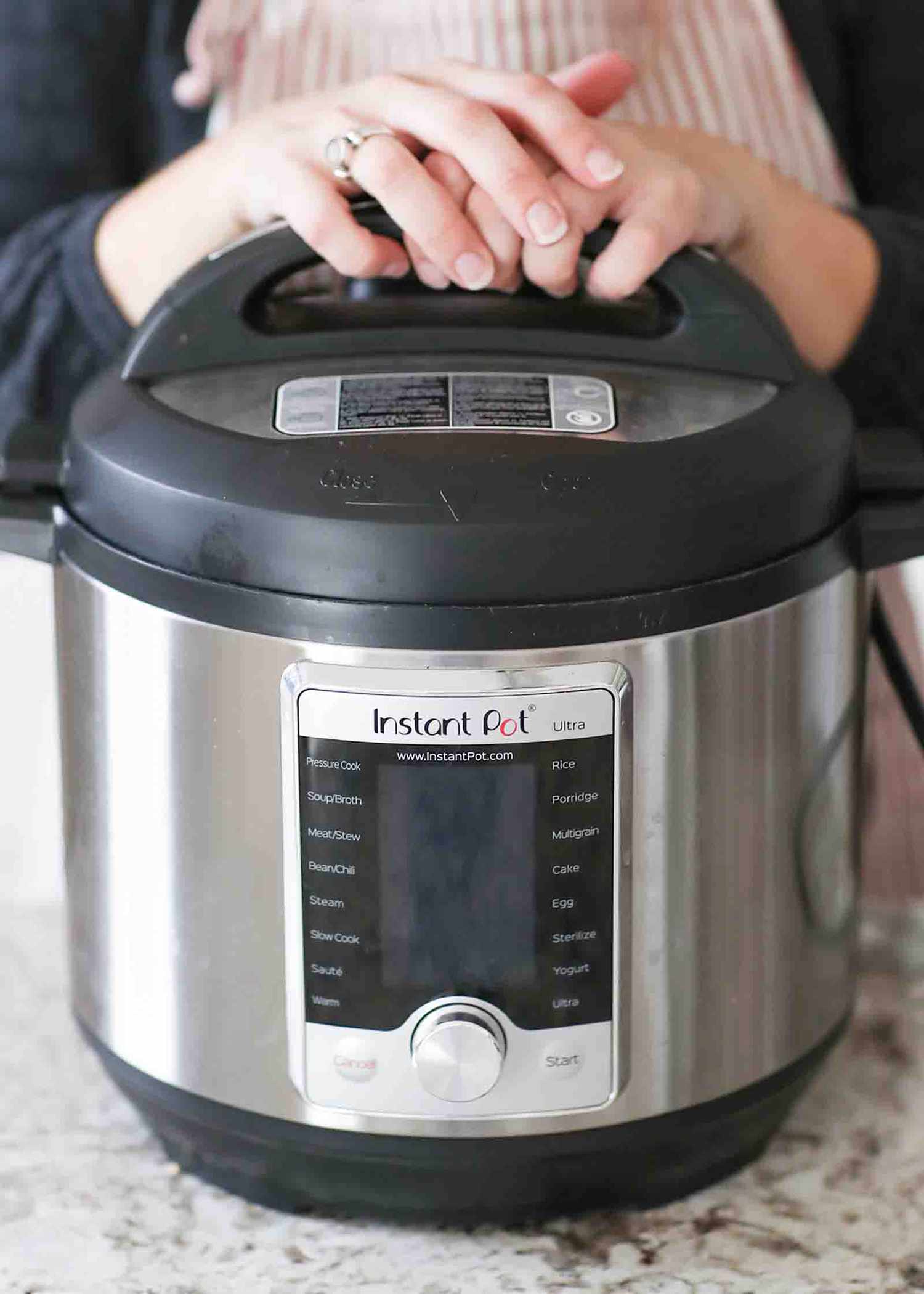
So, What Is a One Touch Pressure Cooker, Exactly?
In the simplest terms, a one touch pressure cooker is an electric pressure cooker equipped with a microprocessor and a series of pre-programmed settings. Instead of you having to figure out the exact time and pressure level for cooking chicken, soup, or beans, the appliance already knows.
Think of it like the difference between a manual camera and the one on your smartphone. With a manual camera, you have to adjust the shutter speed, aperture, and ISO yourself. With your phone, you just point, shoot, and the internal software does all the heavy lifting to give you a great picture. A one touch pressure cooker does the same for your food.
The Key Differences: One Touch vs. Manual Pressure Cookers
- Stovetop (Manual) Pressure Cookers: These require an external heat source (your stove). You are in complete control of—and responsible for—monitoring and adjusting the heat to build and maintain pressure. They are fantastic tools but have a steeper learning curve.
- One Touch (Electric) Pressure Cookers: These are self-contained countertop appliances. They have their own internal heating element and a smart brain that manages the entire cooking process for you. You select a program like “Poultry,” “Rice,” or “Stew,” and the cooker automatically sets the right pressure and time. It’s the ultimate “set it and forget it” kitchen gadget.
How Does a One Touch Pressure Cooker Actually Work?
It might seem like magic, but it’s all based on simple science. A one touch pressure cooker creates a high-pressure environment by trapping the steam generated from the liquid inside the pot, which raises the boiling point of water and cooks food up to 70% faster than traditional methods.
Here’s the breakdown:
- The pot is sealed with a locking lid that features a special gasket to create an airtight seal.
- The internal heating element boils the liquid inside (like water or broth), creating steam.
- Because the steam can’t escape, pressure builds up inside the pot.
- This high pressure forces moisture and heat into the food, cooking it incredibly quickly and tenderizing even the toughest cuts of meat.
- The smart processor in the one touch model monitors the temperature and pressure, cycling the heat on and off to maintain the perfect cooking conditions for the program you selected.
Getting Started: Your First Cook with a One Touch Model
Feeling a little intimidated? Don’t be. Let’s walk through your very first cook. Most manuals recommend an initial water test, which I like to call the “unskippable first date” with your new cooker. It helps you get familiar with the sounds and functions without risking your dinner.
Step 1: The Water Test
Simply add a couple of cups of water to the inner pot, lock the lid, and make sure the safety valve (or steam release handle) is in the “Sealing” position. Select the “Pressure Cook” or “Manual” function for about 2-3 minutes. This will let you see how it comes to pressure and how to release it safely.
Step 2: Adding Your Ingredients
Once you’re comfortable, it’s time for real food! A simple chicken and rice dish is a great place to start. Just be sure not to fill the pot more than two-thirds full for most foods, or one-half full for foods that expand, like beans and grains. And always add at least one cup of liquid.
Step 3: Sealing the Deal (and the Lid)
Place the lid on, twist it to lock, and check that little valve again. It must be set to “Sealing.” This is the most common mistake beginners make, and trust me, your food won’t cook under pressure if steam is just pouring out the top!
Step 4: Pushing the Magic Button
This is the “one touch” part. Browse the preset buttons on the front panel. See one for “Poultry” or “Rice”? Press it. The cooker will beep and, after a few moments, begin the process of building pressure. You can now walk away and do something else. No hovering required!
Step 5: The Grand Finale: Releasing the Pressure
Once the cooking cycle is complete, the cooker will beep and switch to a “Keep Warm” mode. Now you need to release the pressure. You have two main options:
- Natural Release: You do nothing. The pressure will slowly dissipate on its own over 10-20 minutes. This is ideal for things like tough cuts of meat or soups, as it helps keep them tender.
- Quick Release: You carefully turn the steam release handle to the “Venting” position. A powerful jet of steam will shoot out. Always use an oven mitt or the handle of a wooden spoon to do this, and keep your face and hands away from the valve. This method is best for vegetables or seafood that you don’t want to overcook.
Common Mistakes to Avoid (We’ve All Been There!)
My first attempt at a beef stew ended with me forgetting to turn the valve to “Sealing.” I came back 40 minutes later to a pot of lukewarm beef soup and a kitchen that smelled like disappointment. To save you from a similar fate, here are a few pitfalls to watch out for:
- Forgetting the Liquid: Pressure cookers need liquid to create steam. No liquid, no pressure.
- Overfilling the Pot: This is a major safety no-no. It can clog the valves and cause a messy (and potentially dangerous) situation.
- Wrong Pressure Release Method: Using a quick release on a foamy soup can cause liquid to spew from the valve. Always follow the recipe’s instructions.
|
Our Picks for the Best Pressure Cooker in 2026
As an Amazon Associate, we earn from qualifying purchases.
|
||
| Num | Product | Action |
|---|---|---|
| 1 | Instant Pot Duo 7-in-1 Electric Pressure Cooker, Slow Cooker, Rice, Steamer, Sauté, Yogurt Maker, Warmer & Sterilizer, Includes App With Over 800 Recipes, Stainless Steel, 6 Quart |

|
| 2 | Our Place Dream Cooker | 6-quart Multicooker | 4 Versatile Modes | Pressure Cook, Slow Cook, Sear & Saute, Keep Warm | Hands-Free Steam Release | Tailored Control Panel | Steam |
|
| 3 | CHEF iQ Smart Pressure Cooker with WiFi and Built-in Scale - Easy-to-Use 10-in-1 Multicooker with 500+ Guided Recipes - Rice Cooker, Slow Cooker, Instant Meals for Foodies - 6 Quart - Family Size |
|
| 4 | COSORI Pressure Cooker 6QT, Stainless Steel, 9-in-1 Multi Cooker, 12 Safety Features, Ceramic Inner Pot, Rice, Slow Cook, Sous Vide, Saute, 1100W |
|
| 5 | DUMOS 12-in-1 Electric Pressure Cooker 6 QT Stainless Steel Multi Cooker Electric for Pressure, Rice, Steamer, Yogurt Maker, Slow Cook,Meat Stew, Cake, Porridge, Multigrain, Sliver |
|
| 6 | HealSmart 12-in-1 Multi Electric Pressure Cooker, Non-Stick 6QT Stainless Steel Pressure Cooker for Yogurt Maker, Slow Cooker, Cake, Multigrain, Dishwasher Safe |
|
| 7 | Presto 01362 6-Quart Stainless Steel Pressure Cooker |
|
| 8 | Safety Stainless Steel Pressure Cooker, 7.4 Qt with Release Valve & Multiple Protective Devices, Cooking Pressure Canner for Steam, Canning, Stewing on All Stovetops |
|
| 9 | Visit the CUCKOO Store |
|
| 10 | Instant Pot Duo 7-in-1 Mini Electric Pressure Cooker, Slow Rice Cooker, Steamer, Sauté, Yogurt Maker, Warmer & Sterilizer, Includes Free App with over 1900 Recipes, Stainless Steel, 3 Quart |
|
The Undeniable Benefits of Going “One Touch”
So, why should you make space on your counter for one of these? The benefits are huge.
“The beauty of a modern one touch pressure cooker is that it democratizes gourmet results. It takes the guesswork and fear out of pressure cooking, allowing anyone to create incredibly flavorful and tender meals with minimal effort.” – Chef Isabelle Reed, author of ‘Pressured to Perfection’
- Time-Saving Hero: Cook a pot roast in an hour instead of four. Cook dried beans from scratch in under 30 minutes with no soaking. It’s a lifesaver on busy weeknights.
- Flavor and Nutrient Locker: The high-pressure, sealed environment locks in more flavors, aromas, and nutrients that are often lost through boiling or steaming.
- Energy Efficiency: Because it cooks so much faster, a one touch electric pressure cooker uses significantly less energy than an oven or a stovetop.
- Unbeatable Convenience: With multiple functions often including slow cooking, sautéing, and yogurt making, it can replace several other kitchen appliances.
Keeping Your Kitchen Sidekick in Top Shape
Maintaining your cooker is simple. After each use, wash the inner pot, lid, and the silicone sealing ring. That ring can absorb odors, so storing it separately or giving it a vinegar steam can help. Periodically, check the safety valves to ensure they are clean and free of debris. A well-maintained cooker will be a reliable kitchen partner for years to come.
Frequently Asked Questions
Is a one touch pressure cooker the same as an Instant Pot?
Yes, essentially. “Instant Pot” is a popular brand name for a multi-functional, one touch electric pressure cooker. Many other brands like Ninja Foodi, Crock-Pot, and Breville make similar devices with preset functions.
Are one touch pressure cookers safe?
Absolutely. Modern electric pressure cookers have multiple, redundant safety features, including lid-locking sensors, pressure regulators, and backup release valves. They are light-years safer than the old stovetop models.
Can I still cook manually with a one touch model?
Yes! Nearly all one touch models have a “Manual” or “Pressure Cook” button that allows you to set your own custom time and pressure level, giving you complete control when you want it.
What foods can I cook with the preset buttons?
Presets typically cover a wide range of foods like soup/broth, meat/stew, beans/chili, poultry, rice, multigrain, porridge, and even yogurt or cake, depending on the model.
How do I clean my one touch pressure cooker?
The inner stainless steel pot is usually dishwasher safe. The lid and the silicone sealing ring should be washed by hand with warm, soapy water. Always wipe down the outer housing with a damp cloth; never submerge it in water.
Your New Favorite Way to Cook
So, what is a one touch pressure cooker? It’s your shortcut to delicious, home-cooked meals without the stress and time commitment. It’s a safe, efficient, and incredibly versatile tool that empowers you to cook everything from basic staples to complex dishes with confidence. If you’re ready to spend less time cooking and more time enjoying your food, embracing the world of one touch pressure cooking might be the best decision you make for your kitchen.