Let’s be honest, that first time your pressure cooker doesn’t come up to pressure can be a little nerve-wracking. You’re waiting for that familiar hiss or the float valve to pop up, but… nothing. If you’re new to this kitchen gadget, it’s easy to feel intimidated. But before you banish it to the back of the cupboard, I’m here to tell you that learning How To Troubleshoot A Pressure Cooker is surprisingly simple. Most issues are minor, easy-to-fix glitches that just require a little know-how. Think of this guide as your friendly co-pilot in the kitchen, ready to help you get that delicious, time-saving meal back on track.
My own journey with pressure cooking started with a slightly terrifying hand-me-down stovetop model. I was convinced it was a ticking time bomb. But once I understood the basic mechanics—how a sealed pot traps steam to build pressure and cook food at lightning speed—it all clicked. Today’s electric and stovetop models are packed with safety features, and nine times out of ten, a problem isn’t a sign of danger, but a simple user error.
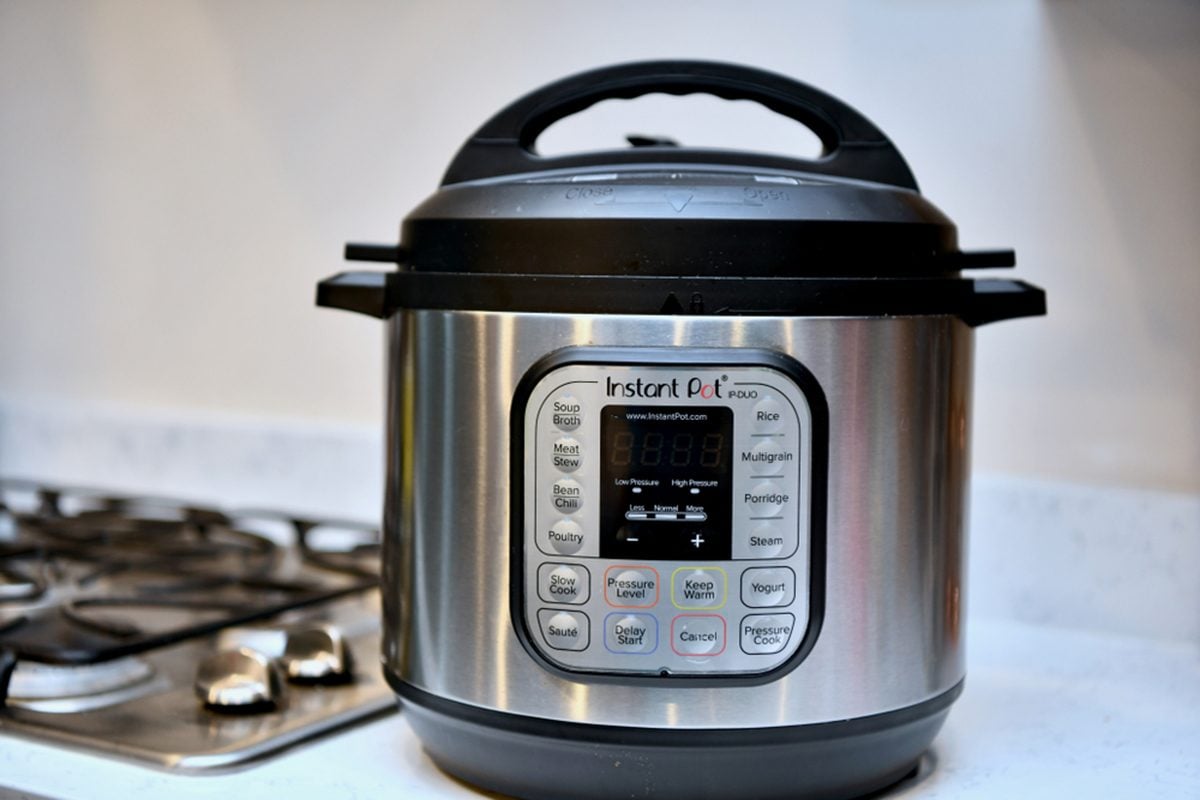
Before We Dive In: A Quick Pressure Cooker Refresher
To effectively troubleshoot, you need to understand the main players in this little kitchen drama. Whether you have a modern electric multi-cooker like an Instant Pot or a classic stovetop model, the principles are the same. It’s all about creating a perfectly sealed environment.
How Does a Pressure Cooker Work?
A pressure cooker works by trapping the steam produced from liquid inside the pot. As the steam builds, it increases the pressure, which raises the boiling point of water. This super-heated environment cooks food up to 70% faster than conventional methods, saving you time and energy while locking in nutrients.
Key Components to Know
Get familiar with these parts. Knowing what they do is half the battle in figuring out what’s gone wrong.
- The Sealing Ring (Gasket): This is the silicone or rubber ring that fits inside the lid. Its job is to create an airtight seal between the lid and the pot. This is the most common culprit in pressure-related issues.
- The Float Valve (or Pressure Indicator): This little pin pops up when the pot has reached pressure, locking the lid in place for safety.
- The Steam Release Valve (or Pressure Regulator): This is where you manually release pressure (quick release). On stovetop models, it’s often a weighted “jiggler” that rocks back and forth. On electric models, it’s a switch you turn from “Sealing” to “Venting.”
- The Safety Valve: A backup feature, usually a red pin or a plug, designed to release excess pressure automatically if the primary valve gets blocked.
Common Pressure Cooker Problems (and How to Fix Them)
Alright, let’s get down to business. Here are the most common issues you’ll encounter and the step-by-step solutions to solve them.
Problem 1: The Cooker Isn’t Reaching Full Pressure
This is the big one. You’ve set everything up, but the float valve just won’t rise.
Possible Causes and Solutions:
- The Sealing Ring is Not Seated Correctly: This is the number one cause. The gasket might be loose, dirty, or not pushed snugly into its track in the lid.
- The Fix: Open the lid. Remove the sealing ring and check for any food debris. Wipe it clean and make sure it’s dry. Carefully press it back into the track all the way around until it’s perfectly flush.
- There Isn’t Enough Liquid: Pressure cookers need liquid (water, broth, etc.) to create steam. Without enough of it, there’s nothing to build pressure with.
- The Fix: Most electric pressure cookers require a minimum of 1 cup (about 250ml) of liquid. Stovetop models may need slightly more. Always check your recipe and your cooker’s manual, but if in doubt, add a bit more water.
- The Lid Isn’t Closed Properly: It might feel closed, but if it’s not perfectly aligned, you won’t get a seal.
- The Fix: Open the lid and close it again, making sure you hear the little jingle or click that indicates it’s locked in place.
- The Steam Release Valve is in the “Venting” Position: An easy mistake to make! If the valve is open, steam will escape instead of building up inside.
- The Fix: Check your steam release valve and ensure it’s turned to the “Sealing” position.
Problem 2: Steam is Leaking from the Lid or Valves
A little bit of steam sputtering from the float valve as it rises is normal. But if steam is steadily leaking from the sides of the lid or the release valve after it should have sealed, you have a problem.
Possible Causes and Solutions:
- Dirty or Damaged Sealing Ring: Food particles, grease, or small cracks in the sealing ring can prevent a perfect seal.
- The Fix: Inspect the ring carefully. If it’s just dirty, give it a thorough wash. If you see any cracks, tears, or it feels overly stretched or stiff, it’s time to replace it. Sealing rings are inexpensive and should be replaced every 12-18 months anyway.
- Food Debris on the Rim of the Pot: Even a single grain of rice on the rim of the inner pot can be enough to break the seal.
- The Fix: Take a damp cloth and wipe the top rim of the inner pot and the corresponding part of the lid to ensure they are perfectly clean before closing.
“Your sealing ring is the unsung hero of pressure cooking. Treat it well. Clean it after every use and store the lid upside down on the pot when not in use. This prevents the ring from being compressed and helps it last longer.” – Chef Isabelle Dubois, Culinary Equipment Specialist
Problem 3: The Lid is Stuck and Won’t Open
This can be scary, but it’s almost always a safety feature working as intended. The lid is designed to lock under pressure and will not open until the pressure is fully released.
Possible Causes and Solutions:
- There is Still Pressure Inside: Even if you’ve released the pressure, some might be trapped. The float valve is the true indicator—if it’s still up, there’s pressure.
- The Fix: First, ensure you have turned the steam release valve to “Venting.” If steam has stopped but the pin is still up, wait a few more minutes. You can try gently tapping the lid or wiggling the float valve with a wooden spoon to see if it will drop. Never force the lid open.
- Food Debris is Sealing the Lid: Starchy foods can sometimes create a vacuum-like seal even after the pressure is gone.
- The Fix: Make sure the float valve is down. Try turning the steam release valve back to “Sealing” and then to “Venting” again to break any vacuum. A gentle wiggle of the lid might also help.
Problem 4: Food is Burning or Sticking
You were promised a juicy pot roast, but you got a charred mess at the bottom of the pot. What went wrong?
Possible Causes and Solutions:
- Not Enough Liquid: As we mentioned, not enough liquid means no steam. It also means the heating element is just scorching the food at the bottom.
- The Fix: Always use the minimum required liquid. For thick sauces like tomato or BBQ, add a bit of water or broth to the bottom of the pot first to create a thin layer that can steam before the thicker sauce heats up.
- Sautéing on High Heat for Too Long: Sautéing is a great feature, but if the pot gets too hot and you don’t deglaze it (scraping up the browned bits with a little liquid), those bits will burn once the pot comes to pressure.
- The Fix: After sautéing, always turn the pot off. Add a splash of broth, wine, or water and use a wooden spoon to scrape up all those flavorful brown bits from the bottom. This adds flavor and prevents the dreaded “Burn” notice on electric models.
Preventing Future Glitches: Essential Maintenance Tips
The best way to learn how to troubleshoot a pressure cooker is to prevent problems from happening in the first place. A little TLC goes a long way.
- Clean Thoroughly After Every Use: Don’t just clean the inner pot. Remove the sealing ring and wash it separately. Use a small brush to clean the steam release valve and the area around the float valve.
- Inspect Your Sealing Ring Regularly: Look for signs of wear and tear. If it starts to retain strong odors (like curry or chili), you can try soaking it in a vinegar solution or simply buy a separate one for savory and sweet dishes.
- Check the Valves: Before each use, look through the steam release valve and the safety valve to ensure they are clear of any food debris.
- Store Properly: Don’t store your pressure cooker with the lid locked tightly. This can compress the sealing ring and cause it to warp. Instead, rest the lid upside down on top of the base.
Frequently Asked Questions about Pressure Cooker Troubleshooting
Why isn’t my Instant Pot sealing?
The most common reasons are the sealing ring isn’t installed correctly, the steam release valve is set to “Venting,” or there isn’t at least 1 cup of thin liquid in the pot. Double-check these three things first.
How often should I replace the sealing ring?
Most manufacturers recommend replacing the sealing ring every 12 to 18 months, or immediately if you notice any cracks, tears, or warping. It’s a cheap part that is crucial for safety and performance.
Is it safe to use a pressure cooker if it’s leaking a little steam?
A small amount of sputtering from the float valve as it comes to pressure is normal. However, if steam is continuously leaking from the sides of the lid, you should safely turn off the heat, release any remaining pressure, and troubleshoot the seal. Do not operate it with a constant leak.
What should I do if the safety valve pops?
If the red safety valve pops up and releases steam, it means the main steam release valve has become clogged and the cooker is engaging its backup safety feature. Immediately turn off the heat source. Do not touch the cooker. Let it cool down and depressurize completely on its own before opening and thoroughly cleaning all valves.
Can I troubleshoot my stovetop pressure cooker the same way as an electric one?
Yes, the core principles are identical. Stovetop models also rely on a good seal from the gasket, sufficient liquid, and clear valves. The main difference is that you control the heat source manually to maintain pressure, whereas an electric model does that for you. The troubleshooting steps for leaks and sealing issues are the same.
Your Pressure Cooker’s New Best Friend
There you have it. Your pressure cooker isn’t a mysterious, complicated machine—it’s a straightforward tool that just needs a little understanding. By learning these simple troubleshooting steps, you can confidently tackle almost any issue that comes your way. You’ve now moved beyond just using a pressure cooker to truly understanding it. So go ahead, don’t be afraid to experiment with new recipes and embrace the speed and convenience it brings to your kitchen. A little practice with how to troubleshoot a pressure cooker will make you a pro in no time.