Ever find yourself scrolling through kitchen gadgets and stumbling upon a term that sounds both incredibly fancy and slightly confusing? Let’s talk about one that’s been buzzing around: the sous vide pressure cooker. If you’re scratching your head wondering if it’s a new kind of culinary magic or just two appliances smashed together, you’ve come to the right place. I remember my first time hearing the term and thinking, “Wait, how can something be high-pressure and low-and-slow at the same time?” It’s a great question, and the answer unlocks a whole new level of kitchen versatility.
Simply put, a “sous vide pressure cooker” isn’t one single cooking method. It’s the common name for a modern, multi-functional electric pressure cooker that has both a pressure cooking function and a sous vide function. Think of it less as a hybrid cooking style and more like a Swiss Army knife for your countertop. In this guide, we’ll break down exactly what each function does, why having them in one appliance is a game-changer, and how you can use this powerhouse to make some of the best meals of your life.
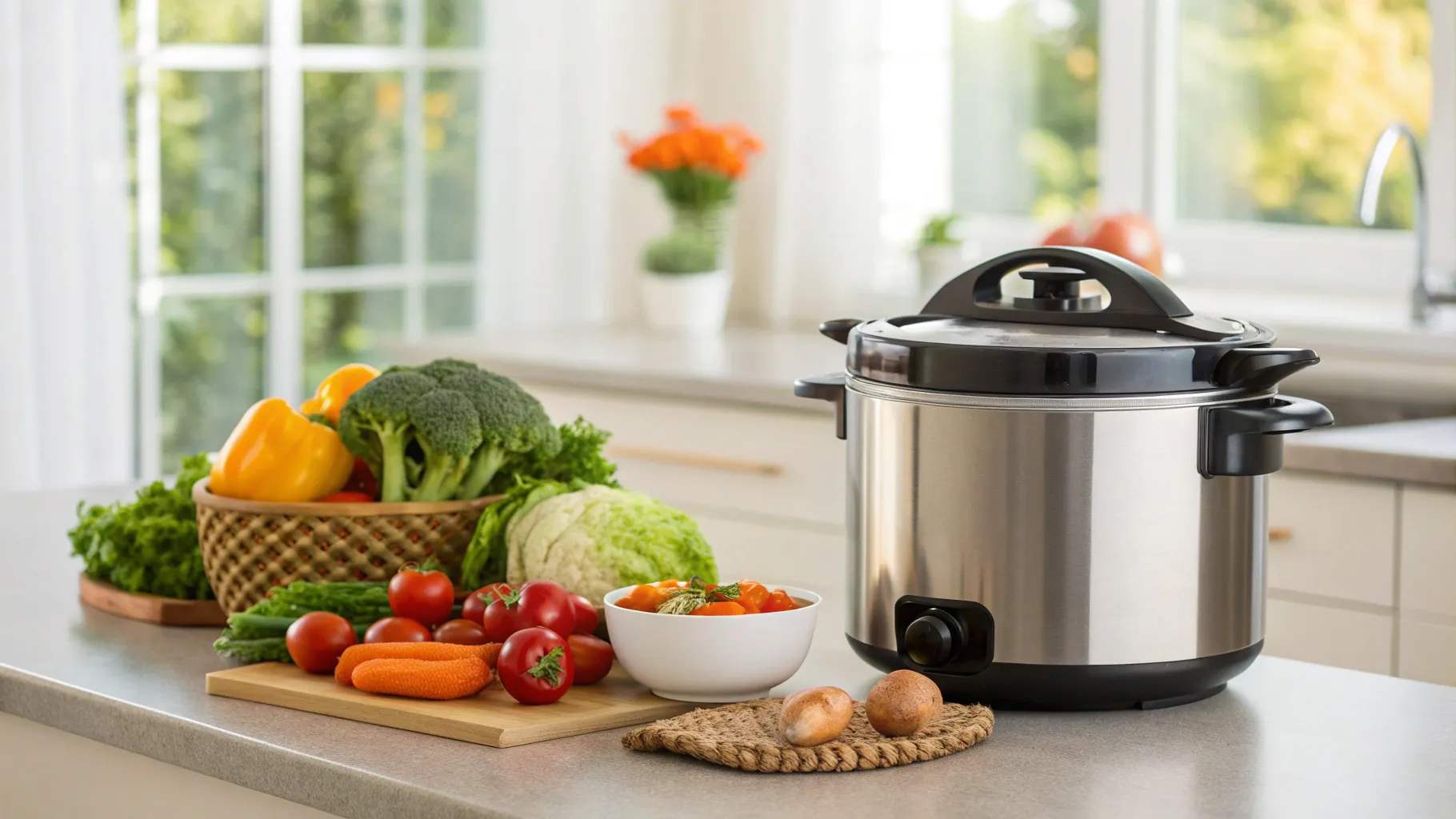
Let’s Unpack This: Pressure Cooking vs. Sous Vide
To truly understand what a sous vide pressure cooker is, we first need to separate the two star players. They are fundamentally different cooking methods that achieve incredible results through opposite approaches.
The Magic of Pressure Cooking: Hot and Fast
A pressure cooker works by creating a sealed environment. When you heat liquid inside the pot, it turns to steam. Because the steam can’t escape, pressure builds up inside. This increased pressure raises the boiling point of water from 100°C (212°F) to as high as 121°C (250°F).
Think of it like this: trying to cook at a high altitude takes forever because water boils at a lower temperature. A pressure cooker does the exact opposite; it creates a “low-altitude” environment inside the pot, forcing food to cook in superheated steam. This is why a tough cut of beef that would normally take hours to become tender can be fall-apart perfect in under an hour. It’s all about high heat and high pressure, dramatically cutting down on cooking time.
The Precision of Sous Vide: Low and Slow
Sous vide, a French term meaning “under vacuum,” is the art of precision. With this method, you seal your food (like a steak or a chicken breast) in a vacuum-sealed or airtight bag and submerge it in a water bath held at a very precise, consistent temperature.
Instead of blasting your food with high heat, sous vide gently brings it to the exact target temperature and holds it there. Want a medium-rare steak? You set the water bath to 57°C (135°F), and the steak will never cook past that temperature. It’s impossible to overcook. This method gives you unparalleled control, resulting in perfectly even cooking from edge to edge and incredible moisture retention. It’s a low-temperature, long-duration process focused on perfection.
So, What Is a Sous Vide Pressure Cooker, Really?
Now that we know the two methods are polar opposites, the term What Is A Sous Vide Pressure Cooker becomes clearer. It refers to a single appliance, most commonly an electric pressure cooker (often called a multi-cooker), that has been designed with the hardware and software to perform both of these distinct functions.
It’s not a device that does both simultaneously. Rather, it’s an all-in-one pot that you can set to “Pressure Cook” for a speedy beef stew one night, and then set to “Sous Vide” for a perfectly cooked salmon fillet the next. Brands like Instant Pot, Ninja Foodi, and others have pioneered these do-it-all machines, which often include other functions like slow cooking, sautéing, rice cooking, and even yogurt making.
Expert Take: “The rise of the multi-cooker with both pressure and sous vide functions is a dream for the modern home cook,” says Chef Amelia Thorne, a culinary appliance specialist. “It consolidates two very powerful, but very different, culinary techniques into one footprint. You get the brute-force efficiency of pressure and the delicate precision of sous vide, empowering you to tackle almost any recipe with confidence.”
Why Would You Want Both Functions in One Pot?
The appeal of a multi-cooker with these two features is massive, especially for those who love to cook but are short on counter space or budget.
- Space-Saving: Instead of needing a bulky pressure cooker and a separate sous vide immersion circulator, you have one device that does it all. This is a huge win for smaller kitchens.
- Cost-Effective: Buying one high-quality multi-cooker is almost always cheaper than buying two separate, dedicated appliances.
- Culinary Versatility: This is the biggest benefit. You can use the two functions in tandem to create spectacular dishes. Imagine this:
- You cook a tough cut of brisket using the sous vide function for 24 hours until it’s unbelievably tender and juicy.
- You then use the pressure cooker function to whip up a smoky BBQ sauce in just 15 minutes.
It’s this combination of techniques that was once reserved for professional kitchens.
|
Our Picks for the Best Pressure Cooker in 2026
As an Amazon Associate, we earn from qualifying purchases.
|
||
| Num | Product | Action |
|---|---|---|
| 1 | CHEF iQ Smart Pressure Cooker with WiFi and Built-in Scale - Easy-to-Use 10-in-1 Multicooker with 500+ Guided Recipes - Rice Cooker, Slow Cooker, Instant Meals for Foodies - 6 Quart - Family Size |

|
| 2 | DUMOS 12-in-1 Electric Pressure Cooker 6 QT Stainless Steel Multi Cooker Electric for Pressure, Rice, Steamer, Yogurt Maker, Slow Cook,Meat Stew, Cake, Porridge, Multigrain, Sliver |
|
| 3 | Presto 01362 6-Quart Stainless Steel Pressure Cooker |
|
| 4 | Instant Pot Duo 7-in-1 Mini Electric Pressure Cooker, Slow Rice Cooker, Steamer, Sauté, Yogurt Maker, Warmer & Sterilizer, Includes Free App with over 1900 Recipes, Stainless Steel, 3 Quart |
|
| 5 | Visit the CUCKOO Store |
|
| 6 | Our Place Dream Cooker | 6-quart Multicooker | 4 Versatile Modes | Pressure Cook, Slow Cook, Sear & Saute, Keep Warm | Hands-Free Steam Release | Tailored Control Panel | Steam |
|
| 7 | COSORI Pressure Cooker 6QT, Stainless Steel, 9-in-1 Multi Cooker, 12 Safety Features, Ceramic Inner Pot, Rice, Slow Cook, Sous Vide, Saute, 1100W |
|
| 8 | HealSmart 12-in-1 Multi Electric Pressure Cooker, Non-Stick 6QT Stainless Steel Pressure Cooker for Yogurt Maker, Slow Cooker, Cake, Multigrain, Dishwasher Safe |
|
| 9 | Instant Pot Duo 7-in-1 Electric Pressure Cooker, Slow Cooker, Rice, Steamer, Sauté, Yogurt Maker, Warmer & Sterilizer, Includes App With Over 800 Recipes, Stainless Steel, 6 Quart |
|
| 10 | Safety Stainless Steel Pressure Cooker, 7.4 Qt with Release Valve & Multiple Protective Devices, Cooking Pressure Canner for Steam, Canning, Stewing on All Stovetops |
|
A New User’s Guide to Safe and Effective Use
If you’re new to the world of pressure cooking, the hissing sounds and locking lids can seem intimidating. But modern electric pressure cookers are packed with safety features that make them incredibly safe when used correctly.
Key Safety Features to Know
- Locking Lid: The machine will not build pressure unless the lid is properly secured.
- Pressure Sensor: It won’t allow the lid to be opened until the pressure inside has safely returned to normal.
- Safety Valve: This is a backup release for steam if the primary valve gets blocked.
- Temperature Control: Automatic sensors prevent the pot from overheating.
Your First Time: The Water Test
Before you cook food, I always recommend a “water test.” It’s a simple way to familiarize yourself with how the machine works.
- Pour 1-2 cups of water into the inner pot.
- Close and lock the lid. Make sure the steam release valve is in the “Sealing” position.
- Select the “Pressure Cook” or “Manual” setting and set the timer for 2 minutes.
- The machine will take a few minutes to heat up and build pressure. You’ll see the float valve pop up.
- Once the 2-minute cook time is over, it will beep. Now, it’s time to release the pressure. For this test, perform a quick release by carefully turning the steam release valve to the “Venting” position. Use a long-handled spoon to avoid the hot steam!
- Once all the steam is gone and the float valve drops, you can safely open the lid.
This simple test demystifies the whole process. For more details on pressure release, check out [our complete guide to natural vs. quick release].
Common Mistakes to Sidestep
As you begin your pressure cooking journey, here are a few common pitfalls to avoid:
- Overfilling the Pot: Never fill your pressure cooker more than two-thirds full for most foods, and only half-full for foods that expand, like beans and grains. There’s a max-fill line inside the pot for a reason!
- Not Using Enough Liquid: Pressure cookers need liquid (water, broth, etc.) to create steam. Most recipes require at least one cup. Without it, you won’t build pressure, and you risk burning your food.
- Using the Wrong Release Method: A quick release is great for vegetables you don’t want to overcook. A natural release (letting the pressure drop on its own) is essential for foamy foods like beans and for tenderizing large cuts of meat. Using the wrong one can result in mushy veggies or tough meat.
- Forgetting the Sealing Ring: That little silicone ring inside the lid is crucial for creating a seal. Make sure it’s clean and properly seated before every use.
Cleaning and Maintaining Your All-in-One Wonder
Keeping your sous vide pressure cooker in top shape is easy. The inner stainless steel pot, the sealing ring, and often the lid itself are dishwasher safe (but always check your manual).
The most important part to clean regularly is the sealing ring. It can absorb odors over time. A good tip is to have two rings: one for savory dishes (like curries and stews) and one for sweet dishes (like cheesecake or oatmeal). This prevents your delicious pressure-cooker cheesecake from having a faint garlic aroma!
Frequently Asked Questions (FAQ)
Can I use my old stovetop pressure cooker for sous vide?
No. A stovetop pressure cooker is designed for high-temperature, high-pressure cooking. It lacks the precise temperature control mechanism needed to maintain a low, stable water bath temperature for sous vide.
What is the main benefit of a sous vide pressure cooker?
The main benefit is versatility. It combines the speed and flavor-infusing power of pressure cooking with the precision and perfect results of sous vide in one space-saving, cost-effective appliance.
Is a sous vide pressure cooker safe to use?
Absolutely. Modern electric models are equipped with multiple, redundant safety features, such as locking lids and automatic pressure and temperature controls, making them far safer than the old-fashioned stovetop models.
Do I need special bags for the sous vide function?
Yes, for true sous vide cooking, you’ll want to use food-grade, BPA-free bags that are either vacuum-sealed or made airtight using the water displacement method (where you submerge the bag in water to force the air out).
Which method is better for tough cuts of meat: pressure cooking or sous vide?
Both are fantastic, but they give different results. Pressure cooking is much faster and yields a “fall-apart” texture, perfect for shredded beef or pulled pork. Sous vide takes much longer but gives you a perfectly even, steak-like texture that is incredibly tender and juicy without being shredded.
The Final Word
So, what is a sous vide pressure cooker? It’s your new best friend in the kitchen. It’s a single, brilliant appliance that empowers you to cook faster, smarter, and with more precision than ever before. By demystifying the technology and understanding its incredible dual capabilities, you can move past any intimidation and start exploring a world of culinary possibilities. Whether you’re whipping up a quick weeknight dinner under pressure or crafting a perfectly cooked, restaurant-quality meal with the sous vide function, this all-in-one wonder is ready to revolutionize the way you cook.