Ever peeked into a bustling restaurant kitchen during the dinner rush? It’s a whirlwind of controlled chaos—sizzling pans, clanking pots, and chefs moving with incredible speed. In that high-stakes environment, time isn’t just a concept; it’s the most valuable ingredient. So, if you’ve ever wondered What Is A Commercial Pressure Cooker and why it’s a secret weapon in so many professional kitchens, you’ve come to the right place. It’s not just your grandma’s stovetop pot, scaled up. It’s a heavy-duty, precision-engineered tool designed for the relentless demands of high-volume cooking.
I remember the first time I saw a commercial pressure cooker in action. I was a young line cook, and we had to get a rich, deep beef stock ready in a fraction of the usual time. Watching the head chef lock down the lid of this stainless steel beast felt like watching a submarine prepare to dive. A few hours later, we had a stock that would normally take all day to simmer. I was hooked. This machine wasn’t just fast; it was a game-changer for flavor, efficiency, and consistency.
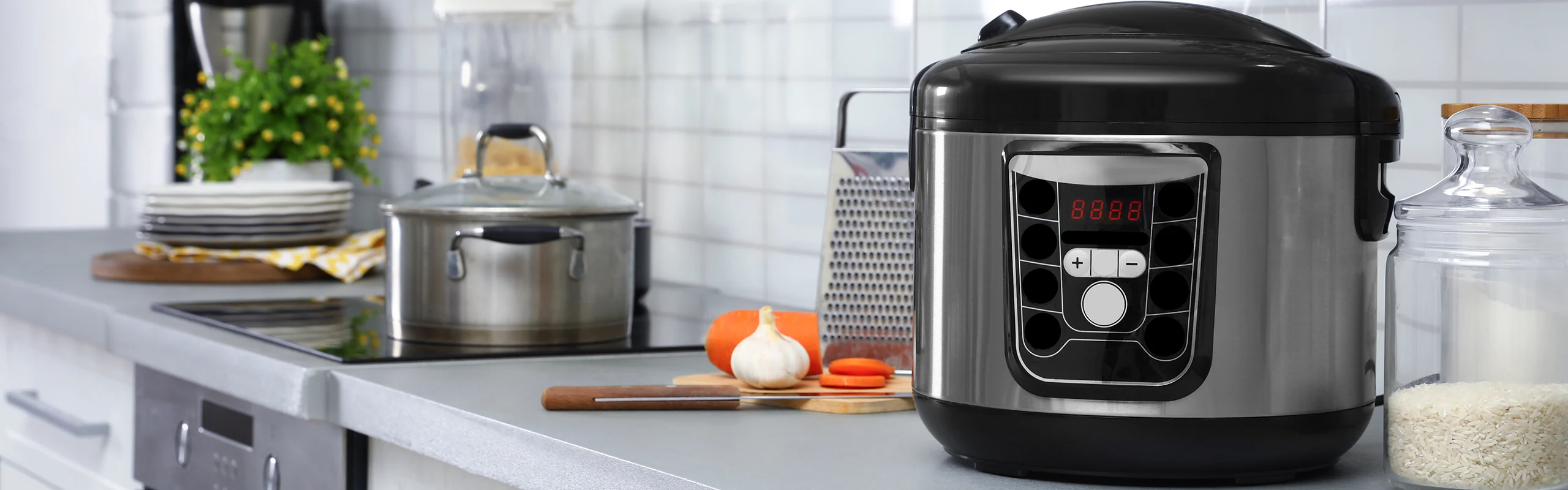
The Evolution from Home Kitchen Hero to Commercial Powerhouse
The concept of pressure cooking isn’t new. It’s been around since the 17th century, a brilliant piece of physics that uses steam pressure to raise the boiling point of water, cooking food dramatically faster. For decades, it was a staple in home kitchens, famous for turning tough cuts of meat into tender morsels. But the leap to the commercial world required a complete re-engineering. A restaurant can’t afford a flimsy lid or an unreliable valve. It needs a machine that can run for hours, day after day, producing the exact same result every single time. This is where the commercial model truly shines.
What Is a Commercial Pressure Cooker, Really?
A commercial pressure cooker is a high-capacity, heavy-duty cooking vessel designed to withstand the rigors of a professional kitchen environment. It cooks food rapidly under high-pressure steam, just like a domestic model, but is built with superior materials, larger capacities, and enhanced safety features to meet commercial food service standards.
Think of it like the difference between a family sedan and a cargo van. Both can get you from point A to point B, but the van is built specifically for hauling heavy loads, day in and day out. A commercial pressure cooker is the cargo van of the kitchen. Here’s what sets it apart:
- Massive Capacity: While home models typically range from 6 to 12 quarts, commercial units can start at 20 quarts and go well over 40 quarts (that’s nearly 40 liters!). This allows chefs to prepare huge batches of stocks, stews, beans, or braised meats at once.
- Heavy-Duty Construction: Forget thin aluminum. We’re talking thick-gauge, food-grade stainless steel or heavy-duty aluminum alloy. The lids, gaskets, and locking mechanisms are all over-engineered to handle constant use and higher pressures safely.
- Higher Pressure and Precision: Many commercial models operate at a consistent 15 PSI (pounds per square inch), the gold standard for high-speed cooking. They are designed to reach and maintain this pressure with unwavering reliability, which is crucial for recipe consistency.
- Safety and Certifications: This is a big one. Commercial kitchen equipment must meet strict safety and sanitation standards. Look for certifications like NSF (National Sanitation Foundation) or UL (Underwriters Laboratories), which ensure the appliance is safe for commercial use and easy to clean properly.
Stovetop vs. Electric: The Great Commercial Debate
Just like their smaller cousins, commercial pressure cookers come in two main flavors: stovetop and electric. The choice often comes down to a kitchen’s workflow and a chef’s preference.
The Workhorse: Commercial Stovetop Pressure Cookers
This is the classic, no-frills powerhouse. It’s a giant, heavy pot with a locking lid that you place on a high-output gas range.
- Pros: They are incredibly durable, often with fewer parts that can break. They can typically reach and maintain very high pressures and give the chef more manual control over the heat source. They’re the go-to for tasks that require an aggressive, fast cook.
- Cons: They require constant monitoring. Someone needs to watch the pressure gauge and adjust the flame to keep it stable. There’s no “set it and forget it” option here.
The Smart Giant: Commercial Electric Pressure Cookers
These are the more modern, all-in-one units. They have a built-in heating element and a brain, allowing for programmable cooking cycles.
- Pros: The biggest advantage is automation. You can set the time and pressure, and the machine does the rest, freeing up a chef to handle other tasks. Many are multi-cookers, able to sauté, slow cook, and more, adding to their versatility.
- Cons: They can be more complex, with electronics that could potentially fail. Some models may not reach the same sustained high pressure as a top-tier stovetop unit.
Why Your Restaurant Kitchen Needs a Commercial Pressure Cooker
So, why make the investment? Because the return is massive, and it shows up in your food and your bottom line.
- Speed Is Money: This is the most obvious benefit. A beef shank that takes 4 hours to braise might be fall-off-the-bone tender in 75 minutes. A rich chicken stock can be done in 90 minutes instead of 6 hours. Less cooking time means faster service and lower labor costs.
- Unbeatable Flavor Infusion: The high-pressure environment forces liquid and flavor into food like nothing else. Aromatics, spices, and herbs penetrate deep into meats and vegetables, creating a richness and depth of flavor that’s hard to achieve with conventional methods.
- Energy Efficiency: A cooking process that takes one-third of the time uses significantly less gas or electricity. Over a year, these savings on your utility bills can be substantial.
- Tenderization Magic: It’s the ultimate tool for “whole animal” or budget-conscious cooking. Tough, collagen-rich cuts of meat like brisket, shoulder, or oxtail are broken down into succulent, tender perfection. It unlocks the potential of less expensive ingredients.
|
Our Picks for the Best Pressure Cooker in 2025
As an Amazon Associate, we earn from qualifying purchases.
|
||
| Num | Product | Action |
|---|---|---|
| 1 | Instant Pot Duo 7-in-1 Electric Pressure Cooker, Slow Cooker, Rice, Steamer, Sauté, Yogurt Maker, Warmer & Sterilizer, Includes App With Over 800 Recipes, Stainless Steel, 6 Quart |

|
| 2 | Safety Stainless Steel Pressure Cooker, 7.4 Qt with Release Valve & Multiple Protective Devices, Cooking Pressure Canner for Steam, Canning, Stewing on All Stovetops |
|
| 3 | Visit the CUCKOO Store |
|
| 4 | Our Place Dream Cooker | 6-quart Multicooker | 4 Versatile Modes | Pressure Cook, Slow Cook, Sear & Saute, Keep Warm | Hands-Free Steam Release | Tailored Control Panel | Steam |
|
| 5 | CHEF iQ Smart Pressure Cooker with WiFi and Built-in Scale - Easy-to-Use 10-in-1 Multicooker with 500+ Guided Recipes - Rice Cooker, Slow Cooker, Instant Meals for Foodies - 6 Quart - Family Size |
|
| 6 | DUMOS 12-in-1 Electric Pressure Cooker 6 QT Stainless Steel Multi Cooker Electric for Pressure, Rice, Steamer, Yogurt Maker, Slow Cook,Meat Stew, Cake, Porridge, Multigrain, Sliver |
|
| 7 | COSORI Pressure Cooker 6QT, Stainless Steel, 9-in-1 Multi Cooker, 12 Safety Features, Ceramic Inner Pot, Rice, Slow Cook, Sous Vide, Saute, 1100W |
|
| 8 | HealSmart 12-in-1 Multi Electric Pressure Cooker, Non-Stick 6QT Stainless Steel Pressure Cooker for Yogurt Maker, Slow Cooker, Cake, Multigrain, Dishwasher Safe |
|
| 9 | Instant Pot Duo 7-in-1 Mini Electric Pressure Cooker, Slow Rice Cooker, Steamer, Sauté, Yogurt Maker, Warmer & Sterilizer, Includes Free App with over 1900 Recipes, Stainless Steel, 3 Quart |
|
| 10 | Presto 01362 6-Quart Stainless Steel Pressure Cooker |
|
Getting Started: A Safety-First Guide for Chefs
These machines are powerful, and they demand respect. The horror stories you hear about pressure cookers are almost always from decades ago or due to user error. Modern commercial units are packed with safety features, but you still need to follow the rules.
- Read the Manual. Twice. Every model is different. Understand its specific locking mechanism, pressure indicators, and safety valves. Don’t assume you know how it works.
- Inspect Before Every Use. Check the rubber gasket for cracks or wear. Ensure the pressure valves are clean and not clogged with food debris. A quick check can prevent major problems.
- Respect the Fill Line. Never fill a pressure cooker more than two-thirds full for most foods, and only half-full for foods that expand, like beans or grains. The empty space is needed for steam to build.
- Secure the Lid Properly. Make sure you hear and feel it lock into place. A poorly sealed lid won’t allow pressure to build and can be dangerous.
- Bringing to Pressure. Start with high heat to build steam quickly, then once the pressure indicator rises, reduce the heat to the lowest setting needed to maintain that pressure.
- Releasing the Pressure. There are two main ways:
- Natural Release: Simply turn off the heat and let the pressure drop on its own. Best for meats to keep them tender.
- Quick Release: Use the steam release valve to vent the steam rapidly. Great for vegetables to prevent them from overcooking. Always use an oven mitt and keep your face and hands away from the valve!
“A commercial pressure cooker is the most efficient employee in my kitchen,” says Chef Antoine Dubois, a culinary consultant. “It works tirelessly, never complains, and turns tough ingredients into pure gold. But like any powerful tool, you must respect it. Daily maintenance and a thorough understanding of its safety features are non-negotiable.”
Common Pitfalls to Avoid in a Professional Setting
I’ve seen a few mistakes made in busy kitchens that are easily avoidable:
- Ignoring a Worn Gasket: A faulty gasket is the #1 cause of pressure cooking failures. If it’s not sealing, you’re just boiling food in a heavy pot.
- Forcing the Lid Open: If there is still pressure inside, the lid will not want to open. The safety lock is there for a reason. Never force it.
- Using a Thickener Before Cooking: Flour and cornstarch can burn on the bottom and clog the steam vents. Always add thickeners after the pressure cooking is complete.
- Not Enough Liquid: You need at least one cup of liquid (water, stock, wine) to generate the steam required to build pressure.
Frequently Asked Questions (FAQ)
Can I use a large home pressure cooker in my restaurant?
While you technically can, it’s not recommended. Home models are not built for the continuous, heavy use of a commercial setting and lack the NSF certification required by most health departments.
What does NSF certified mean for a commercial pressure cooker?
NSF certification means the appliance has been tested and approved by the National Sanitation Foundation for public health and safety. It ensures the materials are safe for contact with food and that the unit is designed to be easily and thoroughly cleaned to prevent bacteria growth.
How much faster is a commercial pressure cooker, really?
On average, it can reduce cooking times by up to 70% compared to traditional methods like boiling or braising. This varies by food, but the time savings are consistently dramatic.
What are the best foods to cook in a large-scale pressure cooker?
It excels at cooking tough cuts of meat (brisket, pork shoulder), dried beans and legumes (from dry to cooked in under an hour), dense root vegetables, and making rich stocks and broths.
Are modern commercial pressure cookers safe?
Yes, they are extremely safe when used correctly. They have multiple redundant safety features, including locking lids that cannot be opened under pressure, overpressure release plugs, and backup pressure release valves.
The Final Word
At the end of a long service, what a chef wants is predictability and quality. That’s the true value of a commercial pressure cooker. It’s more than just a big, fast pot. It’s a tool for consistency, a catalyst for deep flavor, and an engine for kitchen efficiency. By taking the time to understand this incredible piece of equipment, you can unlock a new level of speed and creativity in your cooking, turning out five-star dishes in record time. So the next time you’re wondering how that restaurant made its short ribs so tender, the answer might just be hiding under a heavy, locked lid.