Heard that sound? That gentle, rhythmic shhhhh or maybe a more insistent hiss coming from your kitchen counter? If you’re new to the magic of pressure cooking, that sound can be a little unnerving. I get it. The first time my stovetop model started whispering at me, I nearly jumped out of my skin. You’re probably wondering What To Do If A Pressure Cooker Is Hissing and, more importantly, if you should be worried. Take a deep breath. In most cases, hissing is not just normal—it’s the sound of your pressure cooker doing its job perfectly. This guide will walk you through exactly what that sound means and how to respond, so you can cook with confidence.
Why is My Pressure Cooker Hissing Anyway?
A pressure cooker hisses because it’s releasing excess steam to maintain a specific, stable pressure level inside the pot. Think of it like a tea kettle whistling when the water boils. It’s a built-in safety and operational feature designed to prevent the pressure from building up to an unsafe level.
At its core, a pressure cooker works by trapping steam. As the liquid inside heats up, it creates steam, which increases the pressure within the sealed pot. This high-pressure environment raises the boiling point of water, allowing your food to cook up to 70% faster. But that pressure needs to be managed. The hissing sound is the sound of your cooker’s pressure regulating system—a valve or a weighted wobbler—letting out just enough steam to keep things steady.
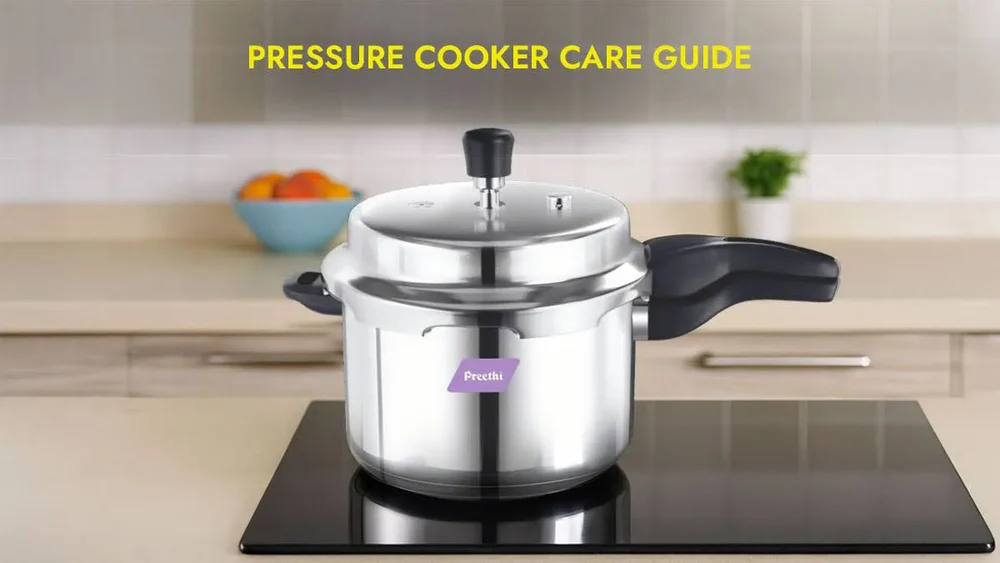
Normal Hissing vs. Worrisome Hissing: Know the Difference
So, the big question is how to tell a happy hiss from a “Houston, we have a problem” hiss. It’s all about the sound, the source, and the timing.
The Good Hiss: Sounds of Success
This is the hissing you want to hear. It’s a sign that your cooker has reached the correct pressure and is now maintaining it.
- Stovetop Models: These often have a weighted regulator on top (sometimes called a “jiggler” or “wobbler”). Once the cooker reaches pressure, this weight will start to rock or spin, releasing steam in gentle, rhythmic puffs. It’s a consistent, predictable sound. You’ll typically lower the heat at this point to maintain a steady, gentle rocking.
- Electric Models (like Instant Pot): These are generally much quieter. You might hear an initial hiss as it comes up to pressure and the float valve pops up to seal the lid. After that, it should be mostly silent, with only very occasional, soft hisses as it self-regulates.
The Bad Hiss: Time to Troubleshoot
This is the kind of hissing that signals something isn’t quite right. It’s often louder, more constant, or coming from the wrong place. If you’re wondering what to do if a pressure cooker is hissing erratically, this is the section for you.
- Hissing from the Lid’s Edge: A continuous, strong hiss from around the entire rim of the lid means you don’t have a proper seal.
- A Loud, Screaming Hiss: A constant, high-pitched whistle that doesn’t stop can indicate the pressure is too high (especially on stovetop models) or a vent is blocked.
- Sputtering and Leaking Liquid: If steam is sputtering out accompanied by liquid, it’s a clear sign of a problem, often caused by overfilling the pot.
Expert Advice from Chef Michael Chen: “Your pressure cooker talks to you. A gentle, rhythmic hiss is a conversation. A loud, frantic scream is a cry for help. The first step to safe pressure cooking is learning to listen to what your appliance is telling you.”
A Step-by-Step Guide: What to Do If a Pressure Cooker is Hissing Abnormally
Don’t panic! Here’s a calm, step-by-step process for handling a problematic hiss. The most important rule is to never try to force the lid open while the cooker is under pressure.
- Turn Off the Heat. This is always your first move. If it’s a stovetop model, move it off the hot burner. If it’s an electric model, press “Cancel” and unplug it. This stops any more pressure from building.
- Let the Pressure Come Down. Wait for the pressure to release naturally. You can watch the pressure indicator or float valve; it will drop when the pot is depressurized. This can take 10-20 minutes. Do not attempt a quick release if you suspect a blockage.
- Identify the Source of the Hiss. Once the pressure is down and it’s safe to open, it’s time to play detective. What was causing the issue?
Common Culprits and Their Fixes
### The Gasket (Sealing Ring) is the Usual Suspect
The silicone or rubber ring inside your lid is the number one cause of sealing issues.
- The Fix: Remove the gasket. Check for any food debris stuck to it or the rim of the pot. Wash it with warm, soapy water. Check for any cracks, tears, or warping. If it looks damaged, it’s time for a replacement. They are inexpensive and essential for safety. When you put it back, make sure it’s seated evenly and snugly in its track.
### The Lid Isn’t Closed Properly
It sounds simple, but it happens to all of us. You might have been in a rush and didn’t lock it fully into place.
- The Fix: After depressurizing, simply open the lid and close it again, making sure you hear that “click” or feel it lock securely into the designated position.
### A Dirty or Blocked Vent
Food particles, especially from starchy or foamy foods like beans and oatmeal, can clog the steam vent or pressure regulator.
- The Fix: Use a pipe cleaner or a small brush to thoroughly clean the steam vent pipe and the anti-block shield on the underside of the lid. Refer to your user manual for specific cleaning instructions.
### You’ve Overfilled the Pot
This is a very common mistake for beginners. A pressure cooker should never be more than 2/3 full for most foods, and only 1/2 full for foods that expand or foam (like beans, grains, and pasta). Overfilling can cause food to block the vents.
- The Fix: Remove some of the contents and try again. Always respect the max fill lines marked on the inside of your pot.
|
Our Picks for the Best Pressure Cooker in 2025
As an Amazon Associate, we earn from qualifying purchases.
|
||
| Num | Product | Action |
|---|---|---|
| 1 | HealSmart 12-in-1 Multi Electric Pressure Cooker, Non-Stick 6QT Stainless Steel Pressure Cooker for Yogurt Maker, Slow Cooker, Cake, Multigrain, Dishwasher Safe |

|
| 2 | Visit the CUCKOO Store |
|
| 3 | CHEF iQ Smart Pressure Cooker with WiFi and Built-in Scale - Easy-to-Use 10-in-1 Multicooker with 500+ Guided Recipes - Rice Cooker, Slow Cooker, Instant Meals for Foodies - 6 Quart - Family Size |
|
| 4 | Instant Pot Duo 7-in-1 Mini Electric Pressure Cooker, Slow Rice Cooker, Steamer, Sauté, Yogurt Maker, Warmer & Sterilizer, Includes Free App with over 1900 Recipes, Stainless Steel, 3 Quart |
|
| 5 | Presto 01362 6-Quart Stainless Steel Pressure Cooker |
|
| 6 | Safety Stainless Steel Pressure Cooker, 7.4 Qt with Release Valve & Multiple Protective Devices, Cooking Pressure Canner for Steam, Canning, Stewing on All Stovetops |
|
| 7 | DUMOS 12-in-1 Electric Pressure Cooker 6 QT Stainless Steel Multi Cooker Electric for Pressure, Rice, Steamer, Yogurt Maker, Slow Cook,Meat Stew, Cake, Porridge, Multigrain, Sliver |
|
| 8 | Instant Pot Duo 7-in-1 Electric Pressure Cooker, Slow Cooker, Rice, Steamer, Sauté, Yogurt Maker, Warmer & Sterilizer, Includes App With Over 800 Recipes, Stainless Steel, 6 Quart |
|
| 9 | COSORI Pressure Cooker 6QT, Stainless Steel, 9-in-1 Multi Cooker, 12 Safety Features, Ceramic Inner Pot, Rice, Slow Cook, Sous Vide, Saute, 1100W |
|
| 10 | Our Place Dream Cooker | 6-quart Multicooker | 4 Versatile Modes | Pressure Cook, Slow Cook, Sear & Saute, Keep Warm | Hands-Free Steam Release | Tailored Control Panel | Steam |
|
Prevention is the Best Medicine: Tips for a Hiss-Free (in a good way) Experience
The best way to handle a problematic hiss is to prevent it from happening in the first place. Think of this as your pre-flight safety check.
- Check Your Gasket: Before every use, give the sealing ring a quick inspection. Is it clean? Is it seated properly?
- Clean Your Vents: Make it a habit to inspect the steam vent and float valve before locking the lid.
- Respect the Fill Lines: That “MAX” line isn’t a suggestion. Adhere to the 2/3 rule and the 1/2 rule religiously.
- Read Your Manual: I know, I know. But every pressure cooker is slightly different. Your manual is the ultimate authority on your specific model’s operation and safety features.
Frequently Asked Questions (FAQ)
1. Is it normal for an Instant Pot to hiss while coming to pressure?
Yes, it is completely normal. An Instant Pot or other electric pressure cooker will often release small amounts of steam and hiss a bit as it builds pressure. The hissing should stop once the float valve pops up and seals the unit.
2. What should I do if my stovetop pressure cooker is hissing too loudly?
A very loud, continuous hiss on a stovetop model usually means your heat is too high. Once the cooker reaches pressure (the regulator starts rocking), you should lower the stove’s heat to the minimum level required to maintain a gentle, steady rocking motion.
3. Why is my pressure cooker hissing and leaking water from the lid?
This is almost always a sealing issue. The most likely causes are a dirty or improperly installed gasket, food debris on the rim of the pot, or the lid not being locked correctly. Turn off the heat, let it depressurize, and then investigate the seal.
4. What to do if a pressure cooker is hissing from the red safety valve?
If steam is escaping from the secondary safety valve (often a red button), it’s a sign that the primary pressure vent is blocked and the cooker is engaging its emergency pressure release system. Turn off the heat immediately and let it cool down completely. Do not use it again until you have thoroughly cleaned all vents and valves.
5. Can a hissing pressure cooker explode?
Modern pressure cookers are built with multiple, redundant safety features to prevent this. An “explosion” is extremely rare and usually the result of overriding safety features or using a very old, damaged, or poorly maintained unit. The hissing you hear is typically one of those safety features in action, regulating the pressure to keep it safe.
Your Kitchen’s Best Friend
Understanding what to do if a pressure cooker is hissing transforms it from a mysterious, noisy appliance into a reliable kitchen powerhouse. That hiss is the language of your cooker, telling you it’s working hard to make your meals delicious, fast, and nutritious. By learning to distinguish a normal hiss from a call for help, you unlock a world of culinary possibilities. So embrace the hiss, cook with confidence, and enjoy the incredible results.