Walk down any kitchen appliance aisle, and you’re bound to see them: sleek, digital gadgets promising to make everything from fall-off-the-bone ribs to perfect cheesecake in a fraction of the time. This explosion of “multi-cookers” has left many people wondering, What Is A Third Generation Pressure Cooker and how is it different from the hissing, rattling pot my grandmother used to use? If you’ve ever felt a mix of curiosity and slight intimidation, you’re in the right place. We’re about to demystify these modern kitchen workhorses and show you why they’ve become an absolute game-changer for home cooks everywhere.
Think of the pressure cooker’s journey like the evolution of the telephone. We went from rotary phones (functional but clunky) to push-button phones (a nice upgrade) to the smartphone in your pocket today (a mini-computer that also makes calls). The story of the pressure cooker is strikingly similar.
The Journey to the Modern Kitchen: A Brief History
To truly appreciate the third generation, we need to take a quick trip back in time and see where it all started. The core principle—using steam pressure to cook food faster—has been around for centuries, but the home appliance has gone through some major makeovers.
First Generation: The Classic “Jiggle-Top”
You know the one. It’s the stovetop pressure cooker you might have seen in old movies or at your grandparents’ house. These are the pioneers, often characterized by a weight-modified valve on the lid that would jiggle and hiss to release excess pressure.
They were effective, for sure, but they required constant supervision. You had to manually adjust the heat on your stove to keep the pressure just right. A little too much heat and it would sound like a steam train was leaving the station; too little, and you’d lose pressure. They did the job, but they weren’t exactly a “set-it-and-forget-it” appliance.
Second Generation: The Quiet Revolution
The next step forward brought us second-generation stovetop cookers. These models ditched the noisy jiggle-top for a quieter, spring-loaded valve system. They often included visual pressure indicators—a little pin or a colored marker that would rise to show when the cooker was at pressure.
This was a significant improvement in both noise and user-friendliness. You could often choose between two pressure settings (high and low), giving you more control. However, they were still fundamentally stovetop appliances that required you to be the “brains” of the operation, managing the heat source yourself.
So, What Is a Third Generation Pressure Cooker, Exactly?
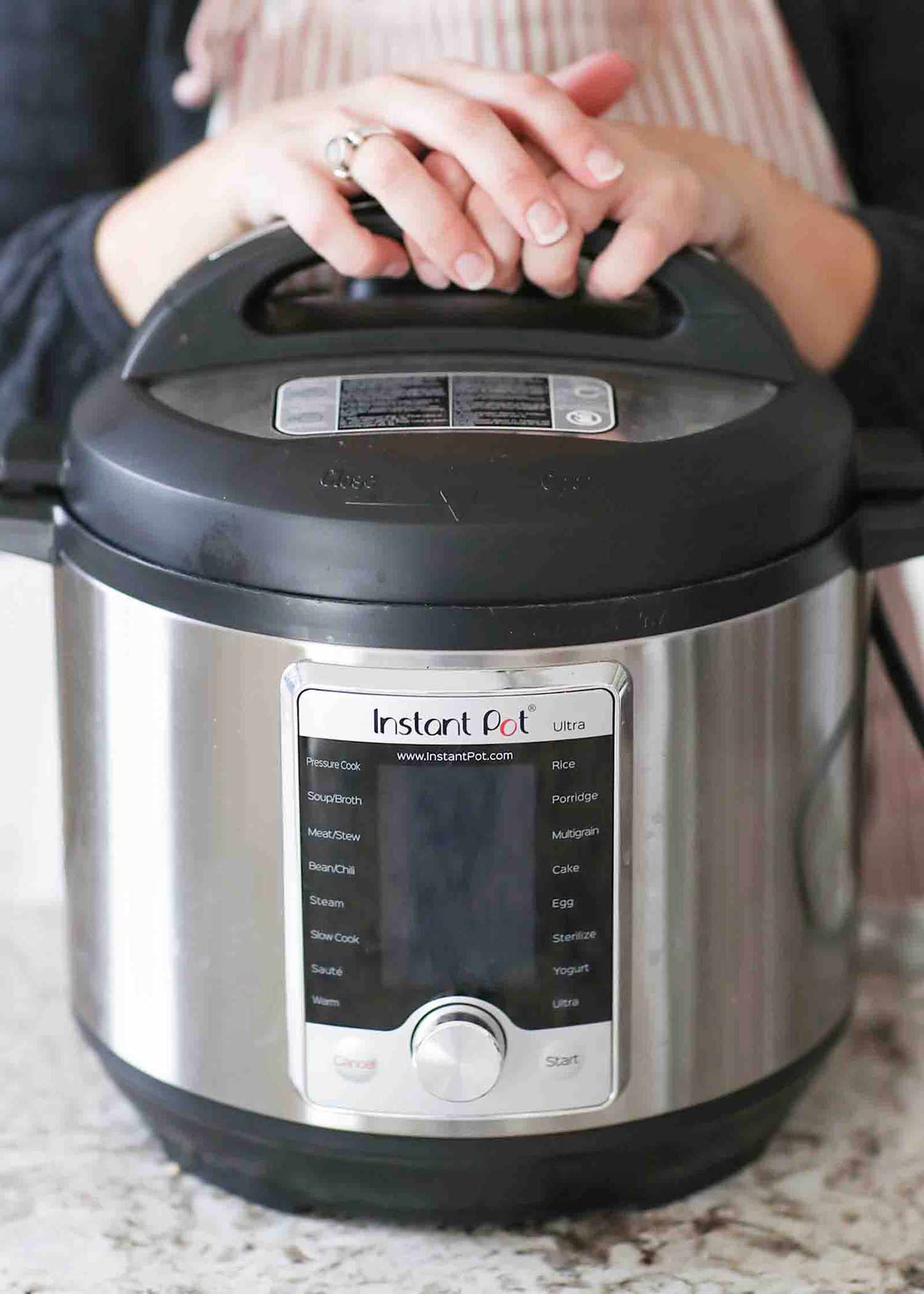
This brings us to the modern era. A third generation pressure cooker is an electric, countertop appliance with its own internal heat source and a smart microprocessor that controls the cooking process. This is the key difference. Instead of sitting on your stove, it plugs into the wall and manages the pressure and temperature for you.
Think of it as a pressure cooker with a computer brain. You tell it what you want to do via a digital control panel, and it handles the rest. This automation is what makes them so incredibly popular and accessible, especially for beginners. These are often called “multi-cookers” because they do so much more than just pressure cook.
Key Features That Define the Third Generation
- Digital Controls: Gone are the days of guessing. A clear digital display shows you the time, pressure level, and cooking mode.
- Preset Cooking Programs: Want to make yogurt, soup, or rice? There’s probably a button for that. These presets are programmed with specific times and temperatures for foolproof results.
- Built-in Safety Mechanisms: This is a huge one. Modern electric cookers have multiple, redundant safety features, like locking lids, automatic pressure control, and backup vents. This has made pressure cooking safer than ever before.
- “Set-It-and-Forget-It” Convenience: Because the appliance manages its own heat, you can load it up, press a button, and walk away. It will come to pressure, cook for the specified time, and often automatically switch to a “Keep Warm” mode when it’s done.
“The beauty of the third generation pressure cooker is that it took a professional cooking technique and made it incredibly safe and simple for the home cook. It’s not just about speed; it’s about consistency and reliability. You get perfect results every single time.” – Chef Amelia Thorne, culinary author.
How Does an Electric Pressure Cooker Work?
It might seem like magic, but the science is simple. The cooker’s sealed lid traps the steam created from liquid inside the pot. As the steam builds, it increases the atmospheric pressure inside. This higher pressure allows the liquid to reach a temperature well above the normal boiling point of 212°F (100°C)—often up to 250°F (121°C). This superheated environment is what cooks food so incredibly fast. The microprocessor simply monitors and controls this entire process.
|
Our Picks for the Best Pressure Cooker in 2026
As an Amazon Associate, we earn from qualifying purchases.
|
||
| Num | Product | Action |
|---|---|---|
| 1 | Instant Pot Duo 7-in-1 Electric Pressure Cooker, Slow Cooker, Rice, Steamer, Sauté, Yogurt Maker, Warmer & Sterilizer, Includes App With Over 800 Recipes, Stainless Steel, 6 Quart |

|
| 2 | Our Place Dream Cooker | 6-quart Multicooker | 4 Versatile Modes | Pressure Cook, Slow Cook, Sear & Saute, Keep Warm | Hands-Free Steam Release | Tailored Control Panel | Steam |
|
| 3 | Safety Stainless Steel Pressure Cooker, 7.4 Qt with Release Valve & Multiple Protective Devices, Cooking Pressure Canner for Steam, Canning, Stewing on All Stovetops |
|
| 4 | HealSmart 12-in-1 Multi Electric Pressure Cooker, Non-Stick 6QT Stainless Steel Pressure Cooker for Yogurt Maker, Slow Cooker, Cake, Multigrain, Dishwasher Safe |
|
| 5 | Visit the CUCKOO Store |
|
| 6 | Instant Pot Duo 7-in-1 Mini Electric Pressure Cooker, Slow Rice Cooker, Steamer, Sauté, Yogurt Maker, Warmer & Sterilizer, Includes Free App with over 1900 Recipes, Stainless Steel, 3 Quart |
|
| 7 | DUMOS 12-in-1 Electric Pressure Cooker 6 QT Stainless Steel Multi Cooker Electric for Pressure, Rice, Steamer, Yogurt Maker, Slow Cook,Meat Stew, Cake, Porridge, Multigrain, Sliver |
|
| 8 | COSORI Pressure Cooker 6QT, Stainless Steel, 9-in-1 Multi Cooker, 12 Safety Features, Ceramic Inner Pot, Rice, Slow Cook, Sous Vide, Saute, 1100W |
|
| 9 | CHEF iQ Smart Pressure Cooker with WiFi and Built-in Scale - Easy-to-Use 10-in-1 Multicooker with 500+ Guided Recipes - Rice Cooker, Slow Cooker, Instant Meals for Foodies - 6 Quart - Family Size |
|
| 10 | Presto 01362 6-Quart Stainless Steel Pressure Cooker |
|
The Big Benefits: Why You’ll Love a Third-Gen Cooker
If you’re still on the fence, let’s talk about the real-world impact these gadgets can have on your daily life. I remember my first time using one. I made a beef stew that normally took me 3 hours of simmering on the stove. In the electric pressure cooker, the meat was fork-tender in 45 minutes. I was hooked.
- Saves Incredible Amounts of Time: We’re talking up to 70% faster cooking times. Tough cuts of meat, dried beans, and hearty grains that usually take hours can be ready in under an hour.
- More Nutritious Meals: The shorter cooking times and sealed environment mean that more vitamins and minerals are retained in your food compared to boiling or steaming for long periods.
- Energy Efficient: Because they’re insulated and cook so quickly, electric pressure cookers use significantly less energy than your oven or stovetop.
- Unbeatable Flavor: The high-pressure environment forces moisture and flavor deep into the food, resulting in richer, more succulent dishes. It’s like a flavor infusion machine.
Getting Started: A Fear-Free Guide for Beginners
The biggest hurdle for most people is fear. But modern electric cookers are designed to be foolproof. Here’s a simple checklist for your first time:
- Read the Manual: I know, I know. But just skim it for the basics on how to lock the lid and where the steam release valve is.
- Always Add Liquid: A pressure cooker needs at least 1 cup of liquid (like water, broth, or sauce) to generate steam. Without it, it won’t be able to pressurize.
- Don’t Overfill: Never fill your cooker more than two-thirds full for most foods, and only half-full for foods that expand, like beans and grains. There’s a line inside the pot to guide you.
- Seal the Deal: Make sure the steam release valve is in the “Sealing” position, not “Venting.” This is the most common mistake beginners make!
- Understand the Release: Once cooking is done, you’ll release the pressure.
- Natural Release: You just let the cooker sit until the pressure dissipates on its own (about 10-20 minutes). This is great for meats, as it helps them stay tender.
- Quick Release: You carefully turn the steam release valve to “Venting” to let the steam out all at once. Use this for foods you don’t want to overcook, like vegetables. Always use an oven mitt or a long-handled spoon to turn the valve to keep your hand away from the hot steam.
Keeping Your Modern Cooker in Top Shape
Maintaining your electric pressure cooker is surprisingly easy. The stainless steel inner pot is usually dishwasher safe. The most important part to clean is the lid.
- The Sealing Ring: This silicone ring is what creates the airtight seal. Pop it out after each use and wash it. Let it air dry completely. It’s a good idea to have two—one for savory dishes and one for sweet—as it can absorb odors.
- The Valves: Check the steam release valve and float valve to make sure they’re clear of any food debris.
- The Lid: Wipe down the entire lid, inside and out.
Taking a few minutes to clean these parts will ensure your cooker works perfectly and safely for years to come.
Frequently Asked Questions (FAQ)
1. Is an Instant Pot a third generation pressure cooker?
Yes, absolutely. Instant Pot is the brand name that popularized the third-generation electric pressure cooker, but many other brands like Ninja, Crock-Pot, and Breville make excellent models as well.
2. Are third generation pressure cookers safe?
Yes, they are extremely safe. They are built with multiple sensors and safety features, such as lid-lock systems that prevent you from opening the pot while it’s under pressure, and automatic shut-offs if it overheats. The horror stories of the past are associated with older, first-generation models.
3. What’s the difference between a pressure cooker and a slow cooker?
They are opposites! A pressure cooker uses high pressure and heat to cook food fast. A slow cooker uses low, moist heat to cook food slowly over many hours. Many third-generation models have both a “Pressure Cook” and a “Slow Cook” function, making them incredibly versatile.
4. Can you put frozen food in an electric pressure cooker?
Yes, you can! This is one of the best features. You can cook chicken breasts, ground meat, and roasts directly from frozen. You’ll just need to add about 50% more cooking time.
5. Do I still need to watch it while it’s cooking?
No, and that’s the magic of it. Once you’ve locked the lid and set the program, you can leave the kitchen. The appliance handles the entire process for you and will typically beep to let you know when it’s finished.
The Future in Your Kitchen
So, what is a third generation pressure cooker? It’s more than just a pot; it’s a smart kitchen assistant. It’s the answer to the “what’s for dinner?” question on a busy weeknight. It’s a tool that makes healthier, more flavorful food accessible to everyone, regardless of their cooking skill level. By taking the guesswork and the fear out of pressure cooking, these modern marvels have earned their permanent spot on countertops around the world. If you’re ready to save time, save energy, and unlock a new world of culinary possibilities, it might just be time to welcome one into your home.