Let’s be real. You just made the most amazing, fall-off-the-bone tender beef stew in your pressure cooker. The whole house smells incredible. But the next morning, you decide to make a delicate cheesecake or even some simple yogurt, and suddenly you’re hit with it—the ghost of last night’s stew, trapped in the lid. If you’re wondering How To Get Rid Of Smells In A Sealing Ring, you’ve come to the right place. That persistent odor is a common frustration, but thankfully, it’s a completely fixable one. That little silicone ring is the unsung hero of your pressure cooker, creating the airtight seal necessary for magic to happen, but its porous nature means it loves to hang onto strong aromas. Don’t worry, we’re about to kick that smell to the curb.
Why Does My Sealing Ring Smell, Anyway?
Before we dive into the solutions, it helps to understand the “why.” Your pressure cooker’s sealing ring is typically made of high-quality, food-grade silicone. Silicone is a fantastic material—durable, flexible, and heat-resistant. However, it’s also slightly porous. Think of it like a very, very dense sponge. When you cook aromatic foods like curries, chilis, or anything with a lot of garlic and onion, tiny volatile compounds are released in the steam. These compounds work their way into the pores of the silicone and decide to set up camp. Over time, these smells build up, and no amount of simple soap and water seems to evict them.
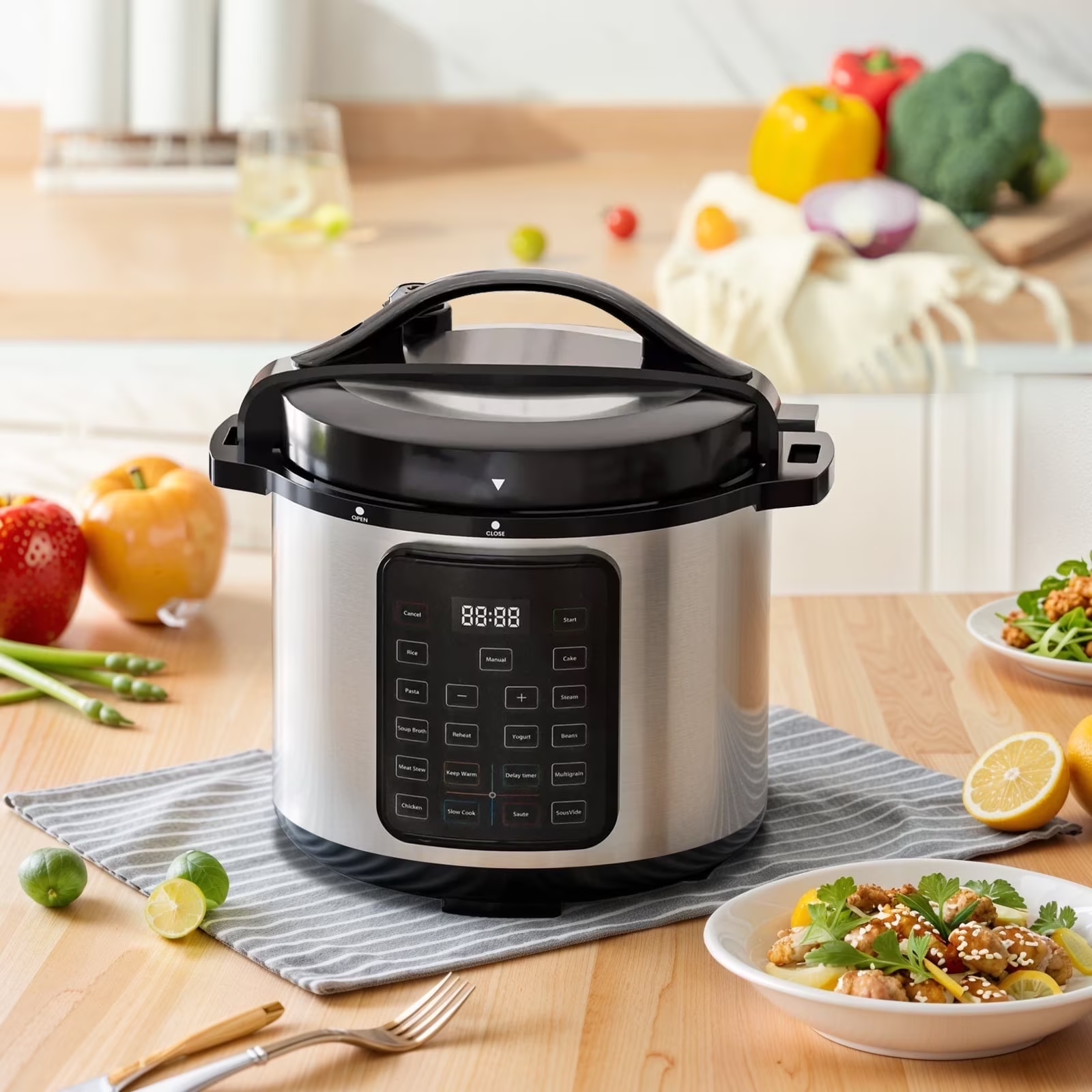
Proven Methods for How to Get Rid of Smells in a Sealing Ring
I’ve been in your shoes, staring at a ring that smells suspiciously of both last week’s chili and yesterday’s pinto beans. Through trial, error, and a bit of kitchen science, I’ve found several methods that work like a charm. Pick the one that suits the ingredients you have on hand.
The Classic: A White Vinegar Steam Bath
This is the go-to method for a reason: it’s simple, cheap, and highly effective. Vinegar’s acetic acid is a powerhouse at breaking down and neutralizing those stubborn odor molecules.
- Place the steam rack or trivet in the bottom of your pressure cooker’s inner pot.
- Pour in one cup of water and one cup of distilled white vinegar. You can also add a few lemon peels for extra deodorizing power and a fresh scent.
- Place the smelly sealing ring on the rack, ensuring it’s not submerged in the liquid.
- Secure the lid and set your pressure cooker to the “Steam” function for 2 to 5 minutes.
- Once the cycle is complete, let the pressure release naturally.
- Carefully open the lid, remove the ring (use tongs, it will be hot!), and let it air dry completely. The vinegar smell will dissipate as it dries, taking the funky food odors with it.
The Deep Clean: A Baking Soda Paste
Baking soda is a natural deodorizer that absorbs odors rather than just masking them. This method is great for a more intensive treatment.
- Create a thick paste using baking soda and a small amount of water. You’re aiming for the consistency of toothpaste.
- Remove the sealing ring from the lid and coat it thoroughly with the baking soda paste. Make sure you get it into all the little grooves.
- Let the ring sit with the paste on it for at least an hour. For really stubborn smells, you can leave it overnight.
- Rinse the paste off completely with warm water and wash with a little dish soap.
- Allow the ring to air dry fully before placing it back in the lid of your electric pressure cooker.
Expert Tip: “Treat your sealing ring like the unsung hero of your pressure cooker,” advises culinary technician, Mark Davison. “A little regular care prevents big odor problems down the line. Don’t wait for the smell to become overwhelming before you act.”
The Sunshine Method: Let UV Rays Do the Work
Never underestimate the power of the sun. The ultraviolet rays from direct sunlight are fantastic at breaking down odor-causing compounds and killing bacteria.
- After washing your sealing ring with soap and water, find a sunny spot.
- Lay the ring out in direct sunlight for several hours.
- Flip it over halfway through to ensure both sides get equal sun exposure.
This is a great, passive method to use on a sunny day. It’s completely free and surprisingly effective for mild to moderate odors.
|
Our Picks for the Best Pressure Cooker in 2025
As an Amazon Associate, we earn from qualifying purchases.
|
||
| Num | Product | Action |
|---|---|---|
| 1 | COSORI Pressure Cooker 6QT, Stainless Steel, 9-in-1 Multi Cooker, 12 Safety Features, Ceramic Inner Pot, Rice, Slow Cook, Sous Vide, Saute, 1100W |

|
| 2 | Our Place Dream Cooker | 6-quart Multicooker | 4 Versatile Modes | Pressure Cook, Slow Cook, Sear & Saute, Keep Warm | Hands-Free Steam Release | Tailored Control Panel | Steam |
|
| 3 | Safety Stainless Steel Pressure Cooker, 7.4 Qt with Release Valve & Multiple Protective Devices, Cooking Pressure Canner for Steam, Canning, Stewing on All Stovetops |
|
| 4 | DUMOS 12-in-1 Electric Pressure Cooker 6 QT Stainless Steel Multi Cooker Electric for Pressure, Rice, Steamer, Yogurt Maker, Slow Cook,Meat Stew, Cake, Porridge, Multigrain, Sliver |
|
| 5 | Instant Pot Duo 7-in-1 Mini Electric Pressure Cooker, Slow Rice Cooker, Steamer, Sauté, Yogurt Maker, Warmer & Sterilizer, Includes Free App with over 1900 Recipes, Stainless Steel, 3 Quart |
|
| 6 | Visit the CUCKOO Store |
|
| 7 | Instant Pot Duo 7-in-1 Electric Pressure Cooker, Slow Cooker, Rice, Steamer, Sauté, Yogurt Maker, Warmer & Sterilizer, Includes App With Over 800 Recipes, Stainless Steel, 6 Quart |
|
| 8 | HealSmart 12-in-1 Multi Electric Pressure Cooker, Non-Stick 6QT Stainless Steel Pressure Cooker for Yogurt Maker, Slow Cooker, Cake, Multigrain, Dishwasher Safe |
|
| 9 | Presto 01362 6-Quart Stainless Steel Pressure Cooker |
|
| 10 | CHEF iQ Smart Pressure Cooker with WiFi and Built-in Scale - Easy-to-Use 10-in-1 Multicooker with 500+ Guided Recipes - Rice Cooker, Slow Cooker, Instant Meals for Foodies - 6 Quart - Family Size |
|
When All Else Fails: It Might Be Time for a New Ring
Even with the best care, silicone rings don’t last forever. Over time (typically 18-24 months, depending on use), they can become stretched, cracked, or simply too impregnated with odors to be saved. If you’ve tried all the cleaning methods and your ring still carries the memory of every meal you’ve ever made, it’s a sign that it’s time for a replacement. A compromised ring can also affect the performance of your stovetop pressure cooker or electric model, preventing it from coming to full pressure. Keeping a spare on hand is always a smart idea.
A Tale of Two Rings: The Ultimate Pro Tip
Here’s the single best piece of advice I can give you, and it’s a total game-changer. Own two sealing rings. Use one exclusively for savory, aromatic dishes (think curries, stews, garlic-heavy meals) and the other exclusively for sweet or neutral-flavored foods (cheesecakes, yogurts, rice, steamed vegetables).
Most manufacturers sell replacement rings, and many even offer them in different colors to help you keep track. I use a blue one for savory and the standard clear one for sweet. This simple habit completely eliminates the dreaded cross-contamination of flavors and odors. It’s a small investment that pays huge dividends in the quality of your cooking.
Prevention is Better Than a Cure: Keeping Your Ring Fresh
Once you’ve successfully learned how to get rid of smells in a sealing ring, you’ll want to keep it that way. Here are a few simple habits to adopt:
- Wash Immediately: Wash the ring with warm, soapy water after every single use. Don’t let it sit in the lid overnight.
- Dry Completely: Moisture can trap odors. Always let the ring air dry completely before storing.
- Store It Smart: Instead of sealing the lid on your pressure cooker for storage, store the lid upside down on top of the pot. This allows air to circulate around the ring and pot, preventing musty smells from developing.
- Occasional Deep Clean: Even if it doesn’t smell, give your ring a vinegar steam bath once a month as a preventative measure.
Frequently Asked Questions (FAQ)
Q1: How often should I replace my pressure cooker sealing ring?
A1: Most manufacturers recommend replacing your sealing ring every 18-24 months, or sooner if you notice any cracking, stretching, or damage. If it no longer creates a proper seal or retains smells after deep cleaning, it’s time for a new one.
Q2: Can I just boil my sealing ring to get rid of the smell?
A2: Boiling the ring in plain water can help, but it’s often not as effective as a vinegar steam bath. The acidic nature of vinegar is key to neutralizing the alkaline compounds that cause many food odors.
Q3: Is it safe to put the silicone sealing ring in the dishwasher?
A3: Yes, most modern pressure cooker sealing rings are top-rack dishwasher safe. This is great for sanitizing, but it may not be the most effective solution for how to get rid of smells in a sealing ring. Sometimes the high heat can even bake the smells in further. Use it for general cleaning, but turn to vinegar or baking soda for deep deodorizing.
Q4: Will a smelly sealing ring affect the taste of my food?
A4: Absolutely. This is the biggest reason to keep it clean. A ring that smells strongly of chili can transfer those flavor notes into a delicate dish like a cheesecake or steamed custard, resulting in a very unpleasant culinary experience.
Q5: What’s the best way to store my extra sealing ring?
A5: Store your spare ring flat in a cool, dry place, away from direct sunlight. Keeping it in a sealed plastic bag can help protect it from dust and from absorbing any ambient kitchen smells before you even get to use it.
Your Kitchen’s Secret Weapon, Restored
Your pressure cooker is an incredible tool, saving you time, energy, and locking in nutrients and flavor. That humble silicone ring is the key to its power, and keeping it clean and odor-free is essential. By using a simple vinegar steam, a baking soda scrub, or even just the power of the sun, you can ensure that every meal you make tastes exactly as it should. Mastering how to get rid of smells in a sealing ring is a simple step that elevates your pressure cooking game from good to great, so you can get back to creating delicious meals without any unwanted aromatic guests.